

Nano microneedle patches claiming to deliver fat-burning, appetite-suppressing, or metabolism-boosting ingredients through the skin have flooded social media and ad feeds, and the Clearena Nano Microneedle Patch is one of the latest.
In this review, I’ll break down what Clearena claims, how (and whether) microneedle patches work in real science, the major red flags in its marketing, what independent investigations suggest, and whether this patch is worth your money or better left in the dust.
Key Takeaways
- Clearena Nano Microneedle Patch is marketed as a weight-management patch that delivers ingredients like moringa, berberine, and NAD⁺ through dissolving microneedles to support appetite control and fat loss.
- The product’s official narrative positions it as science-backed and effective without diet or exercise, but there’s no verifiable clinical evidence that such patches work as advertised.
- Independent reviews and watchdog sites identify patterns of deceptive marketing, weak adhesion, and minimal results from similar microneedle patches.
- Medical experts generally state that weight-loss patches lack real evidence and cannot deliver meaningful metabolic effects.
- Overall, Clearena appears to be more hype than substance, a product supported by persuasive copy rather than science.
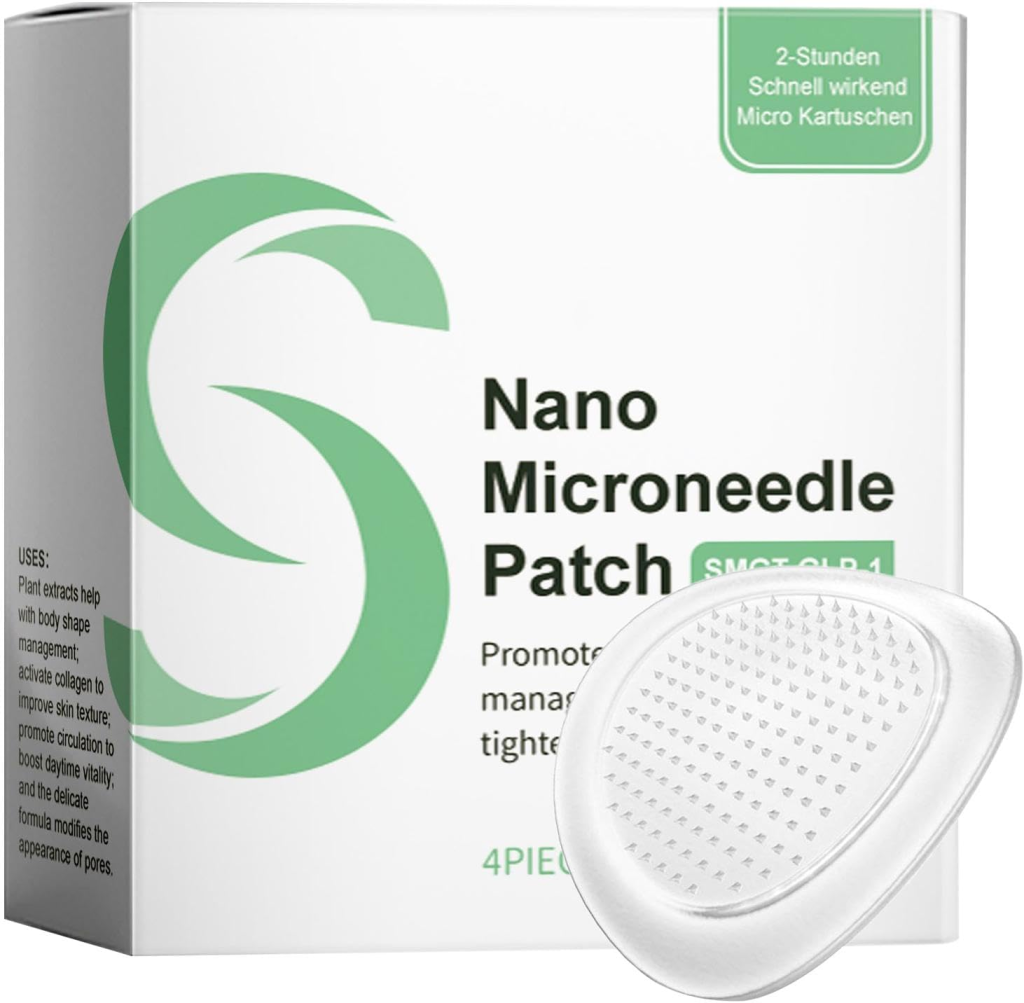
What Clearena Nano Microneedle Patch Claims & How It’s Supposed to Work
According to its promotional materials, the Clearena Nano Microneedle Patch uses an advanced nano delivery system to transport active compounds such as moringa, berberine, and NAD⁺ through the skin directly into the body, bypassing digestion.
The stated selling points include:
- Delivering plant-based nutrients transdermally for steady absorption.
- Enhancing metabolism and energy production.
- Supporting appetite control and natural fat loss.
- Being suitable for all body types without strict dieting or exercise.
The marketing frames these mechanisms as a gentle, non-invasive alternative to injections or pills, suggesting effortless results simply by wearing the patch.
Claims vs. Reality
Here’s the key context that often gets glossed over in the marketing:
- Microneedle technology does exist in legitimate medical and dermatological use, for vaccines, local drug delivery, and some cosmetic applications. But those are controlled systems with verified dosing and clinical protocols. The broad claims made by patches like Clearena are not supported by peer-reviewed clinical data showing they can deliver enough active metabolic ingredients to meaningfully affect weight or appetite.
- Delivering complex metabolic regulators like berberine or NAD⁺ transdermally at effective levels is scientifically questionable without clear evidence. Many scientists and medical professionals note that such patches generally contain insufficient doses to produce meaningful systemic effects.
- What appears on sales pages, such as FDA registration, research backing, or high efficacy is typically unverified and not linked to transparent clinical trials.
In short: even if some ingredients might have modest effects in oral supplement form, there’s no credible evidence that putting them on a patch transforms them into a magic weight-loss solution.
Red Flags to Consider
No Transparent, Peer-Reviewed Clinical Evidence
Clearena’s claims about metabolic delivery via microneedle are not accompanied by real clinical trials or references to human studies validating the approach, a major red flag for any product claiming health benefits.
Exaggerated Marketing Copy
Many sites use buzzwords like “nano delivery,” “cellular energy boost,” and “non-invasive fat loss” without explaining the mechanism or evidence for these outcomes. This is a classic persuasive tactic rather than scientific explanation.
Common Scam Funnel Tactics
Investigations into similar microneedle patch campaigns reveal common patterns:
- Emotional hooks and social media ads
- “News-style” pages with dramatic narratives
- Pressure-driven pricing and urgency timers
None of these establish effectiveness.
Weak Product Execution & Use Issues
User reports for other patches note problems like poor adhesion, patches peeling off, and minimal sensation or perceived effect, raising questions about the product’s basic usability and real impact.
Medical Expert Skepticism
Weight-loss patches marketed to influence metabolism or fat loss are widely viewed skeptically by health professionals due to a lack of substantiated data, meaning expert support is virtually nonexistent.
Does Clearena Nano Microneedle Patch Really Work?
No, there’s no reliable evidence that it delivers the dramatic weight-loss effects claimed.
While some patches might feel like they “do something” simply due to adhesives or mild sensations at the application site, that does not equate to real metabolic change. Most of the reported outcomes on official sites are anecdotal or unverified, and expert sources discourage reliance on such products for legitimate weight loss.
Real weight management still depends on diet, exercise, lifestyle choices, and medically supervised interventions when needed, not a patch that claims to take the place of all of these.
Conclusion
Clearena Nano Microneedle Patch looks like another iteration of the viral “weight-loss patches” trending on social feeds, but a closer look shows it leans heavily on marketing buzzwords and unproven mechanisms rather than science. There’s no credible clinical proof the patch can deliver active ingredients through the skin in meaningful doses or produce sustained appetite control or fat loss.
Verdict: Avoid this product. It’s an overhyped concept marketed through persuasive ad tactics, not a scientifically validated health solution.
Also read – Is ElonxPlay.com a Legit Crypto Gaming Site? Find Out Here!