

AquaFit supplement ads have been popping up online lately, often promising fast water weight loss, metabolic support, and a leaner, more defined silhouette without major diet or exercise changes. The name and colorful branding make it sound like a cutting-edge fat-loss formula, but glance at some of the claims and you’ll see why it’s worth a deeper look.
In this review, I’ll unpack what AquaFit claims to do, how it says it works, and whether there’s real evidence supporting those claims or if the messaging is mostly marketing. I’ll flag major red flags, look at ingredient science, and help you decide whether this product is truly effective or overhyped.
Key Takeaways
- AquaFit is marketed as a supplement that helps reduce water weight, support metabolic balance, and promote a leaner look.
- The product’s key claims are water-weight reduction and metabolic support, not verified fat loss.
- Ingredient transparency is limited in some formulations, making it hard to judge clinical relevance.
- Much of the marketing relies on buzzwords and lifestyle appeal rather than robust evidence.
- Realistic effects, at best, are likely modest and tied to temporary fluid shifts rather than fat loss.
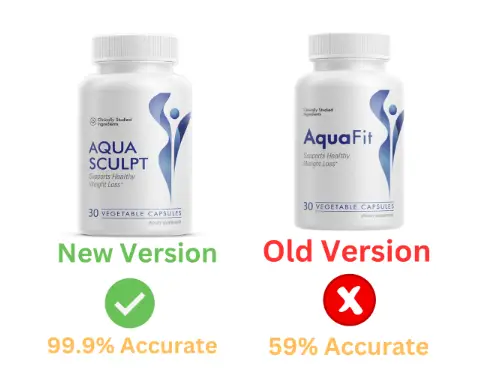
What AquaFit Is & How It Claims to Work
AquaFit is positioned as a dietary supplement intended to help users:
- Reduce excess water retention
- Support metabolic pathways that influence body composition
- Minimize bloating and fluid accumulation
- Maintain a leaner, more “defined” appearance
The branding often frames AquaFit as a daily metabolic adjuster that works in the background to help the body manage water balance and energy use, purportedly leading to a slimmer look over time.
However, these are not the same as scientifically validated mechanisms that result in real, sustainable fat loss.
Claims vs. Reality
Distinct Difference: Water Weight vs. Fat Loss
AquaFit’s most plausible effect, if any, would be a temporary reduction in water weight or bloating. Certain ingredients can promote mild diuresis (increased urination), which may reduce transient fluid retention. But water weight fluctuations are not equivalent to actual fat loss, and most people regain it quickly once hydration patterns change.
There’s no clinical evidence showing AquaFit leads to significant or sustained fat loss, metabolic acceleration, or body composition changes in a way that matters long-term.
Ingredient Science is Limited or Non-Specific
Some formulations marketed under the AquaFit name include compounds like:
- Diuretic plant extracts
- Electrolyte-balancing nutrients
- Antioxidants or herbal extracts
Individually, certain herbs and nutrients might influence fluid balance or support general wellness in some contexts, but none have strong, consistent evidence for body composition change when taken as a casual supplement.
Without clear dosage disclosure and rigorous testing, any benefits are speculative at best.
Red Flags to Consider
Broad, Misleading Outcome Language
Terms like “melt water weight,” “metabolic boosting,” and “effortless definition” appeal to desire more than demonstrate evidence. There’s a gap between what feels impressive and what’s scientifically measurable.
Ingredient Transparency Is Often Poor
Some product listings underspecify ingredient amounts or use proprietary blends, making it impossible to assess whether effective doses are included. Without clear labeling, you can’t compare to clinical studies.
Overreliance on Subjective Testimonials
Marketing pages often highlight customer quotes like “I feel less bloated!” or “I saw results in days!”, which may reflect mild fluid fluctuation or placebo effects rather than genuine, sustainable outcomes.
Confusion Between Short-Term Effects and Long-Term Results
Supplement funnels that suggest day-by-day transformations often blur the line between temporary water loss and long-term fat loss, which are very different physiological processes.
Vague or Misleading Health Claims
Descriptions like “boosts metabolism” or “supports body transformation” sound credible but lack specific, verifiable scientific backing tied to the actual formulated product.
Does It Actually Work?
Short answer: likely in a limited, temporary way, if at all.
At best, AquaFit may lead to:
- Mild reduction in water retention or bloating
- Slight changes in fluid balance that produce temporary “leaner” feelings
- Psychological satisfaction from feeling proactive
These effects may be real as short-lived experiences, but they do not equal real fat loss or metabolic modulation.
There’s no clinical evidence demonstrating that AquaFit causes meaningful, sustained changes in body composition or metabolic rate, and no studies show long-term benefits beyond transient fluid changes.
Consumer Experience & Reports
Independent user feedback, where available, often focuses on:
- Feeling “less puffy” or “less bloated”
- Increased bathroom visits
- Temporary changes in scale weight
Neutral or negative reports include:
- No noticeable change after extended use
- Side effects like frequent urination or electrolyte imbalance
- Confusion about whether the product works as intended
The variability is typical of products that influence fluid balance rather than metabolic transformation.
Conclusion
AquaFit supplement is marketed as a modern, natural solution to help users appear leaner and support metabolism, but the evidence behind its claims is weak at best. What might happen, a short-term shift in water balance, is not the same as sustainable fat loss or metabolic improvement. Marketing often blurs these distinct outcomes to make the product sound more impactful than it realistically is.
Verdict: Use with tempered expectations. At best, expect very mild and temporary fluid-balance effects; at worst, experience minimal change and unnecessary cost.
Also read – Aanarjbu.shop Review: Unreliable Shopping Store We Don’t Recommend