

OptiVite for Eyes has been showing up online and in wellness ads with claims of supporting overall eye health, reducing eye strain, and improving visual clarity. Given how many vision supplements make bold promises, it’s worth digging into what this product actually does versus what the marketing suggests.
In this review, I’ll break down what OptiVite claims, how it supposedly works, and whether there’s real evidence behind those claims or if the product leans on buzzwords and generic language. I’ll also highlight major red flags, assess typical user feedback, and help you decide if this is a worth-trying eye support supplement or an overpromised product.
Key Takeaways
- OptiVite for Eyes is marketed as a daily dietary supplement intended to support eye health and visual clarity.
- Ingredients are a mixture of vitamins, antioxidants, and herbal extracts that may support general wellness but lack strong clinical evidence for dramatic vision benefits.
- There are no peer-reviewed clinical trials showing that this specific formula significantly improves eyesight or reduces eye disease progression.
- Marketing language tends to be broad and non-specific, often implying benefits that go beyond what is actually supported by science.
- Realistic effects are likely modest and supportive at best, not corrective or restorative of vision.
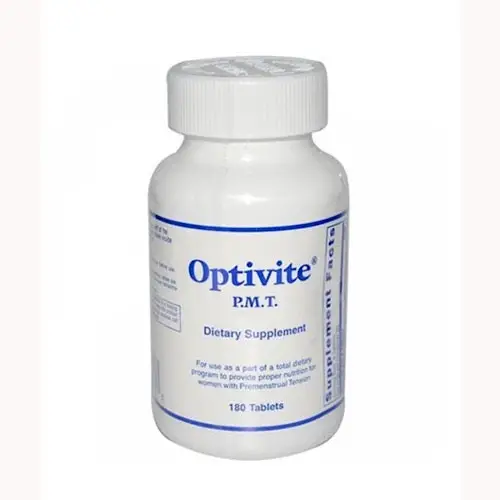
What OptiVite for Eyes Is & How It Claims to Work
OptiVite for Eyes is sold as an eye health formula designed to provide daily nutritional support for the eyes. According to promotional materials, it works by supplying nutrients and antioxidants that protect eye tissues from oxidative stress, support retinal function, and help maintain comfortable vision, especially for people who spend time on screens or in demanding visual environments.
Commonly cited benefits include:
- Protection against free radical damage
- Support for sharpness and clarity of vision
- Reduction of eye discomfort and strain
- Overall nutritional support for ocular tissues
To accomplish these, OptiVite typically contains ingredients such as lutein, zeaxanthin, vitamins A, C, and E, plus various plant extracts, ingredients frequently found in generic eye health supplements.
Claims vs. Reality
Evidence for Individual Nutrients Doesn’t Equal Product Proof
While certain nutrients like lutein and zeaxanthin are shown in research to accumulate in the retina and potentially support visual endurance or reduce risk factors associated with age-related macular degeneration (AMD), this is not the same as saying a supplement will dramatically improve vision or cure eye conditions.
Most controlled clinical research involves:
- Specific dosages validated in trials
- Long-term supplementation
- Targeted populations (e.g., those with macular degeneration risk)
OptiVite’s formula may include some of these nutrients, but:
- It lacks clear evidence showing the product, as marketed, produces meaningful vision improvements.
- The blend and dosing are typically not verified in peer-reviewed clinical trials for this specific combination.
Vision Improvement vs. Vision Support
It’s important to distinguish between supporting nutritional needs for eye health and improving eyesight or reversing visual decline. Most over-the-counter supplements, including OptiVite, fall into the former category. Supplements cannot correct refractive errors (like nearsightedness) or reverse retinal diseases.
So if marketing implies improved sharpness or clarity, that should be interpreted cautiously, especially without robust evidence.
Red Flags to Consider
No Product-Specific Clinical Trials
Despite claiming broad benefits for eyesight and ocular comfort, OptiVite does not cite any peer-reviewed human studies demonstrating its formula as a finished product produces the advertised outcomes. This is a common issue in dietary supplement marketing.
Broad, Vague Benefit Language
Phrases like “supports sharp vision,” “enhances clarity,” or “protects against eye fatigue” are appealing but non-specific. Without measurable claims (e.g., improved visual acuity within a quantifiable range), these sound like marketing language rather than science-based outcomes.
Proprietary or Unclear Ingredient Dosing
If OptiVite lists ingredients without showing clear doses, it’s impossible to know whether any component is present at levels shown to be effective in research. This lack of transparency undermines confidence in efficacy.
Equating Supplements With Medical Treatments
Some promotional messaging can blur lines between general nutritional support and therapeutic claims. Supplements are not regulated to treat or prevent diseases, so any implication that OptiVite can fix or cure eye conditions should be treated skeptically.
Reliance on Testimonials
User testimonials on official product pages often reflect subjective experiences (“my eyes feel better,” “less strain”) rather than objective measures like clinical vision tests or instrument-measured outcomes. That’s not evidence of effectiveness, it’s support for perceived benefit.
Does It Actually Work?
Not in the dramatic way some marketing might imply. OptiVite for Eyes likely provides a nutritional boost that helps support overall eye health, particularly if your diet is lacking in key antioxidants and carotenoids. This can be a reasonable wellness approach for some individuals over the long term.
However:
- There is no solid evidence that OptiVite significantly improves vision, corrects refractive errors, or reverses age-related visual decline.
- Any perceived relief from eye strain may be due to improved nutrient status or placebo effect rather than measurable physiological change.
- Supplements can be part of a holistic eye care strategy but are not replacements for prescription lenses, medical treatments, or professional eye care.
In essence, OptiVite might support overall eye health, but its marketed effects fall short of clinical validation for major vision outcomes.
User Feedback & Consumer Experience
Independent user reviews (outside of official marketing pages) are limited. Among available feedback:
- Some users note reduced eye strain or less discomfort after screen use.
- Others report no noticeable change beyond what they already expected from diet or rest.
- A few supplement reviewers mention the product is fine as a general “eye vitamin,” but not life-changing.
This range of experience is typical of wellness supplements: subjective benefits for some, negligible for others.
Conclusion
OptiVite for Eyes positions itself as a comprehensive eye support supplement, but the evidence does not support the broad vision improvement claims often seen in its marketing. While ingredients like lutein and vitamins A, C, and E have supportive research in specific contexts, OptiVite lacks product-specific clinical validation and relies on generic wellness language.
Verdict: A modest eye-health supplement at best, useful for general nutritional support but not a proven solution for enhanced vision or eye disease prevention.
Also read – Is the Sgvvvwgg.shop a Legit Online Store? Read This Before Shopping