

Almased is a meal-replacement shake that has been around for decades and continues to be featured in weight-loss discussions and ads as a natural way to support metabolism, curb hunger, and help with fat loss. You’ll often see it described as “clinically studied,” high-protein, and low-glycemic, which makes it worth examining the reality behind those claims.
In this review, I’ll break down what Almased actually is, what it’s claimed to do, what research and user experiences show, and the main things you should consider before trying it.
Key Takeaways
- Almased is a soy-, yogurt-, and honey-based meal-replacement powder intended to be mixed into shakes for weight management and metabolic support.
- The manufacturer cites over 30 clinical studies suggesting it can support metabolism, appetite control, and weight loss as part of a structured meal plan.
- Some users report appetite suppression and noticeable short-term weight loss when strictly following the program, though results vary widely.
- Independent feedback includes mixed experiences… some find it effective as a meal replacement, while others report limited impact, digestive issues, or difficulty sustaining the diet.
- Meal replacement programs can work for short-term weight loss if paired with a calorie deficit, but they are not magic and can be hard to maintain long-term without sustainable habits.
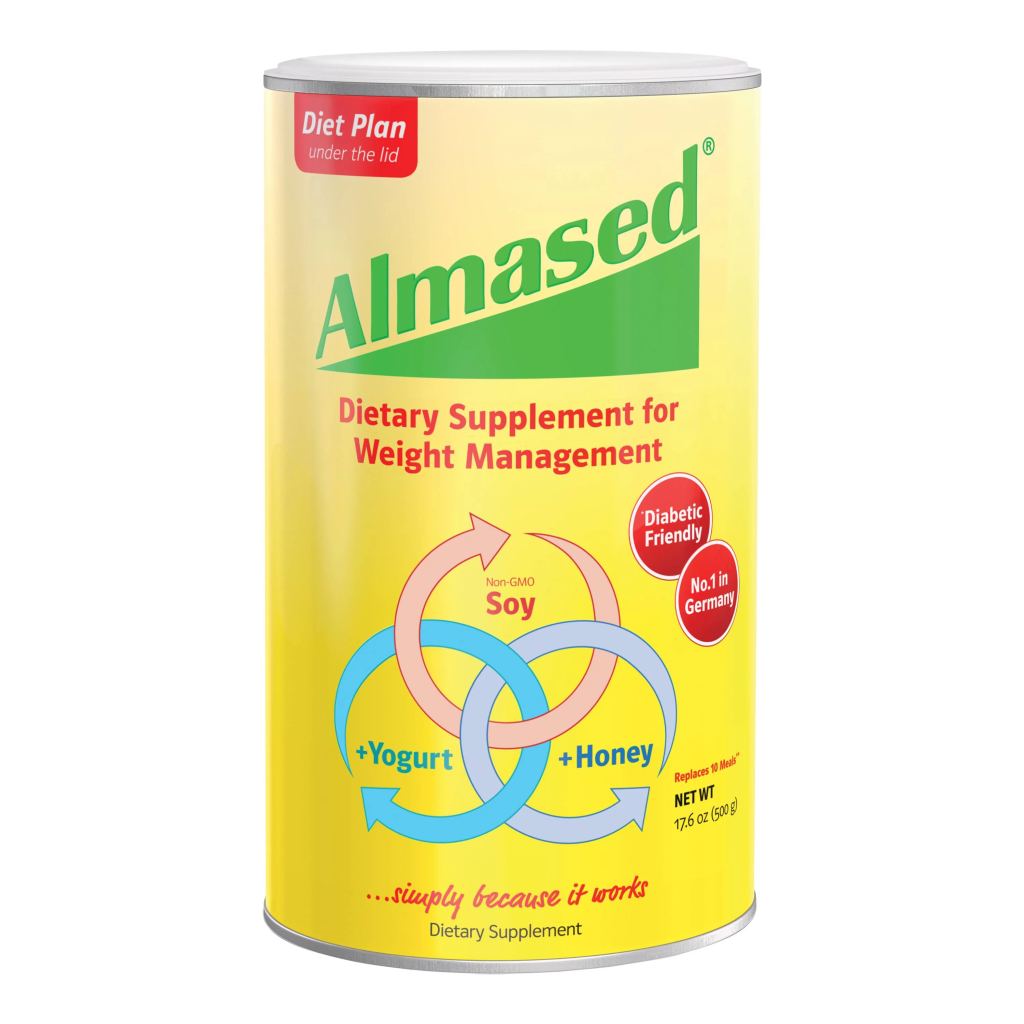
What Almased Is & How It’s Supposed to Work
Almased is a powdered shake made from soy protein, cultured yogurt, and raw honey, fermented to produce a mix of amino acids and bioactive peptides. It’s designed to be a complete nutritional shake that replaces one or more meals per day as part of a structured diet plan.
The official site claims Almased:
- Provides high-quality protein to support metabolism and preserve muscle mass during weight loss.
- Has a low glycemic index, which helps keep blood sugar stable and hunger in check.
- Can help users feel full for several hours due to its protein content.
- Is backed by research showing benefits for metabolic markers and weight loss when used as part of a plan.
In practice, people mix the powder with water, milk, or plant milks to create a shake that replaces a meal or supplements their daily nutrient intake.
Claims vs. Reality
Almased’s Research
The manufacturer states it has been studied in more than 30 scientific studies worldwide, and has been researched for effects on metabolism, appetite regulation, and weight loss. Some of this published research supports the idea that meal replacement strategies can help people lose weight when they adhere to the program.
However, it’s important to note:
- Most studies showing benefits involve structured diets with Almased as a part of a comprehensive plan, not the shake alone.
- The product’s marketing sometimes suggests broader effects (like detoxing the liver or resetting metabolism) that go beyond what controlled research directly confirms.
Meal Replacement Strategy
Meal replacements like Almased can reduce total daily calories because they replace larger meals with a controlled, nutrient-dense shake. This simplified calorie control often leads to short-term weight loss when a person sticks to the plan.
But:
- Long-term success depends on changing eating habits… a shake alone doesn’t guarantee lasting results.
- Some users find the strict shake protocol hard to sustain.
Red Flags & Common Considerations
Effectiveness Varies by Person
Some people experience noticeable appetite suppression, energy changes, and weight loss, while others report minimal results or find it difficult to stick to the regimen, especially during the early, restrictive phase.
Taste, Texture & Practicality
Almased has a reputation for a bland or chalky texture, and many users mix it with milk or flavorings to make it more palatable.
Sugar Content & Carbohydrates
Even though the formula is low glycemic, each shake can contain sugar from ingredients like honey. This can slow weight loss for some people, especially those on low-carb plans.
Meal Replacement Isn’t a Magic Solution
Almased works as part of a diet plan that reduces overall calories and provides high protein. It is not a standalone supplement that forces weight loss without lifestyle changes.
Digestive Side Effects Possible
Some individuals experience mild bloating, gas, or digestive discomfort, especially early in use.
User Feedback & Real-World Experience
User reviews are mixed:
- Some report significant short-term weight loss and reduced cravings when strictly following the Almased plan.
- Others say the shake helps them feel full, but weight loss is modest or slows quickly.
- A few mention digestive discomfort or that they find the taste or texture hard to tolerate.
Individual experiences vary widely depending on how the shake is used and overall diet adherence.
Conclusion
Almased is a meal-replacement shake with decades of use and a body of research showing it can help with weight management and metabolic support when used as part of a structured plan. It’s high in protein, low glycemic, and designed to curb hunger and support calorie control, which are key factors in weight loss.
However:
- It’s not a magic product… results depend on calorie control and lifestyle habits.
- Some claims in marketing go beyond what clinical research conclusively proves.
- Real-world effectiveness varies, and the strict diet plan can be hard to sustain long term.
Verdict: Almased can be a useful tool in a broader weight-loss strategy when used as intended, but it’s not guaranteed to work for everyone, and it works because of calorie control and high protein content, not magical metabolism manipulation.
Also read – I Used the Nebu Orb Every Day for Weeks — Here’s My Honest Review