
I’ve been seeing ads and social posts everywhere lately about a so-called “Neuro Honey Blend” or “Honey Memory Trick” that supposedly reverses memory loss, Alzheimer’s, or dementia using a simple honey-based recipe. The way these videos and articles are presented, with dramatic testimonials and familiar faces, naturally makes people curious and hopeful.
In this review, I’ll unpack what this memory honey claim actually is, what the advertising and science say, the red flags around it, what realistic alternatives exist, and what to do if you’ve already clicked through or purchased something as a result.
Key Takeaways (TL;DR)
- The “Neuro Honey Blend” memory loss recipe is part of a widespread online marketing scam, not a real medical discovery.
- Ads often use AI-generated or manipulated videos and fake news site layouts to imply endorsements from major media or doctors.
- There’s no credible scientific evidence that honey (or any simple recipe) can cure or reverse Alzheimer’s, dementia, or significant memory loss.
- These funnels typically lead to selling unproven supplements with fabricated guarantees and refund issues.
- For real cognitive concerns, professional medical evaluation and evidence-based treatments are essential.
What is the Neuro Honey Blend all about?
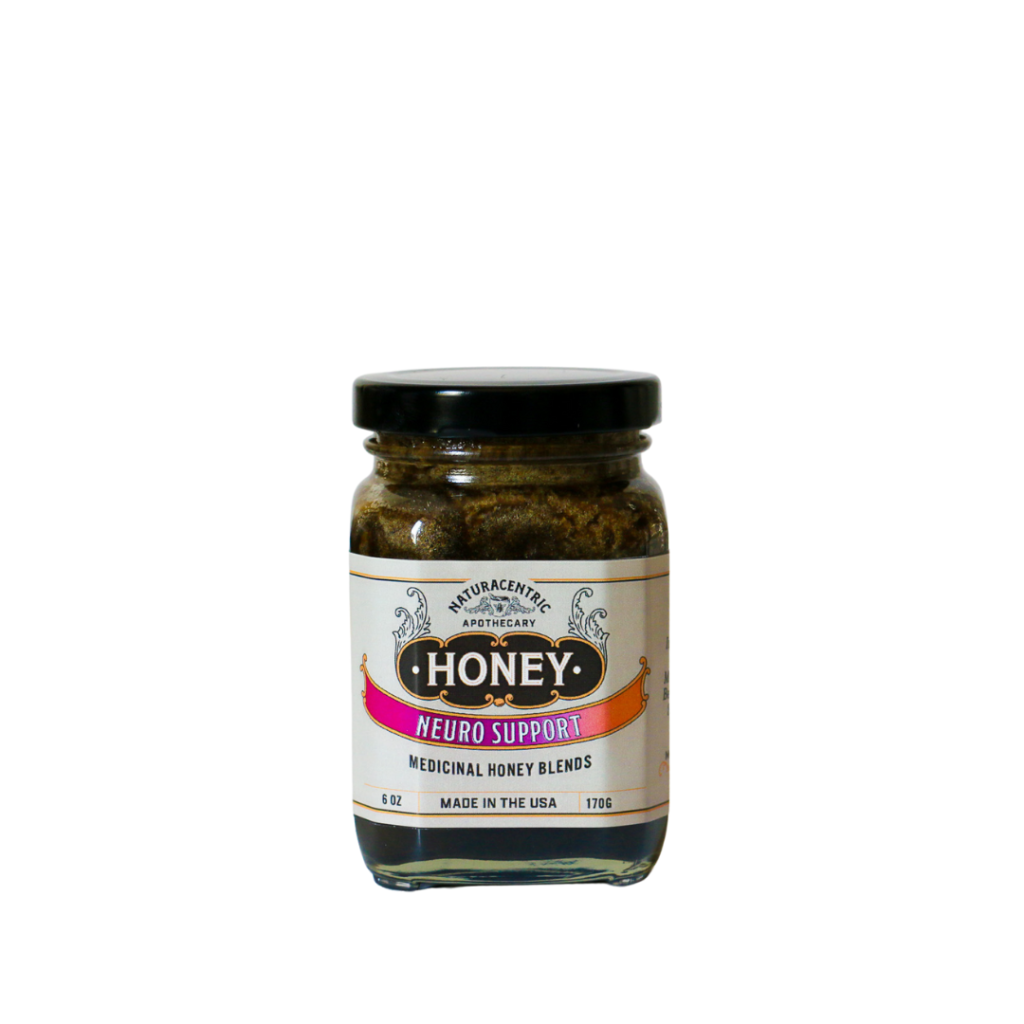
The “Neuro Honey Blend” memory loss recipe is not a genuine culinary hack or traditional regimen documented in credible science. It’s a marketing narrative used in viral ads that promise a simple honey-based mix, often paired with herbs like Bacopa or other plants, can cure or reverse cognitive decline or dementia. None of the mainstream medical community endorses such a recipe, and in many cases the actual recipe is never fully revealed in the pitch… it’s merely a lure to keep viewers watching until they’re pushed toward buying a supplement.
What It Claims to Do
Advertising for this honey memory blend suggests it can wash away “toxic proteins” in the brain, restore lost memory, sharpen cognitive focus, and even reverse conditions like Alzheimer’s or dementia. Some ads feature snippets styled like major news outlets or “doctor testimonials” claiming that Big Pharma doesn’t want this secret recipe made public. These narratives are crafted to make the claims feel urgent and scientifically grounded.
Does It Really Work?
No. There is no valid clinical evidence that honey, with or without added herbs, can cure dementia, reverse Alzheimer’s disease, or restore memory in ways the ads imply. While honey has antioxidant properties and some plant extracts used in traditional medicine (like Bacopa) have been studied for mild cognitive support, these effects are modest and entirely different from the drastic claims being made. The memory honey recipe trend is a classic example of misinformation designed to exploit fear and hope around brain health.
Investigative Findings
Investigations into these campaigns show a consistent pattern: viral video ads and fabricated “news articles” using logos that resemble real outlets, deepfake clips of recognizable figures, and emotional storytelling. These pieces of content often use AI-generated or manipulated visuals and audio to give a veneer of legitimacy, but they are not affiliated with the media organizations or doctors shown. Once the emotional narrative gets viewers engaged, they’re redirected to purchase supplements that have no credible evidence backing the dramatic health claims.
Red Flags to Consider
AI-Generated & Misleading Endorsements
Many versions of this memory honey narrative use deepfake or manipulated clips purportedly featuring TV anchors, doctors, or celebrities, but these endorsements are fabricated. Trusted media outlets like CNN or the Today show have no record of broadcasting such reports.
Emotional Fear-Based Messaging
By focusing on Alzheimer’s and memory loss, topics that are deeply emotional and frightening, these ads intentionally trigger anxiety to drive clicks, rather than offering balanced, factual information.
Bait-and-Switch Sales Funnel
The so-called “honey recipe” is almost never fully revealed; instead, viewers are taken to sales pages where they’re encouraged to buy expensive, unproven supplements with vague ingredient lists and dubious guarantees.
Fabricated Scientific Claims
Claims like “reverses dementia” or “restores memory overnight” are wildly inconsistent with medical evidence. Dementia and Alzheimer’s are complex neurological diseases with no known natural cure.
Fake Guarantees & Refund Issues
Many of the supplement funnels linked to these ads offer “money-back guarantees” that are often hard to redeem in practice, with customers reporting ignored requests or recurring charges.
Alternatives That Actually Make Sense
- Talk to a healthcare professional if you’re concerned about memory, cognition, or dementia, only a qualified clinician can properly diagnose and manage these conditions.
- Evidence-based lifestyle strategies can support brain health: balanced nutrition, regular physical activity, adequate sleep, cognitive engagement, and vascular health management are all associated with better long-term cognitive outcomes.
- Proven supplements (such as certain B vitamins, omega-3 fatty acids, or specific nootropics) may have mild supportive roles, but even these should be discussed with a doctor and are not cures.
If You Already Bought It
- Contact your credit card company or payment provider if you suspect you were misled or billed unfairly. Many have protections for misleading or deceptive marketing.
- Check the site’s refund policy and request a cancellation or return promptly… don’t wait until recurring charges appear.
- Be cautious about providing further personal information or agreeing to subscriptions.
- Discuss any health concerns with a medical professional rather than relying on unverified online products.
Conclusion
The “Neuro Honey Blend” memory loss recipe is not a legitimate discovery or treatment… it’s a deceptive marketing tactic that preys on vulnerable people by offering unrealistic promises and fake endorsements. No simple honey recipe can cure or reverse Alzheimer’s or restore lost memory. For real concerns about cognitive health, the safest and most reliable path is to consult licensed healthcare professionals and rely on evidence-based strategies rather than viral claims.
Also read – I Bought the Dyson V8 Plus Cordless Vacuum – Here’s My Honest Review of it