

Is Dermazen serum actually calming seborrheic dermatitis or just another “natural solution” that works for some and irritates others?
Skin conditions like dandruff, seborrheic dermatitis, and fungal acne are frustrating and long-term. That’s exactly what Dermazen Serum targets, positioning itself as a “science-backed” solution that can calm redness, flakes, and irritation without harsh medicated treatments.
In this review, we’ll break down what Dermazen serum actually is, how it claims to work, and whether real-world results support the claims or reveal some limitations.
Key Takeaways
- Dermazen serum is marketed to treat seborrheic dermatitis, dandruff, and fungal-related skin issues.
- It uses ingredients like niacinamide, urea, tea tree oil, and colloidal silver.
- There are no clinical trials on the finished product.
- Real user feedback is mixed; some see improvement, others report irritation or worsening symptoms.
- It may help manage symptoms, but is not a guaranteed or permanent solution.
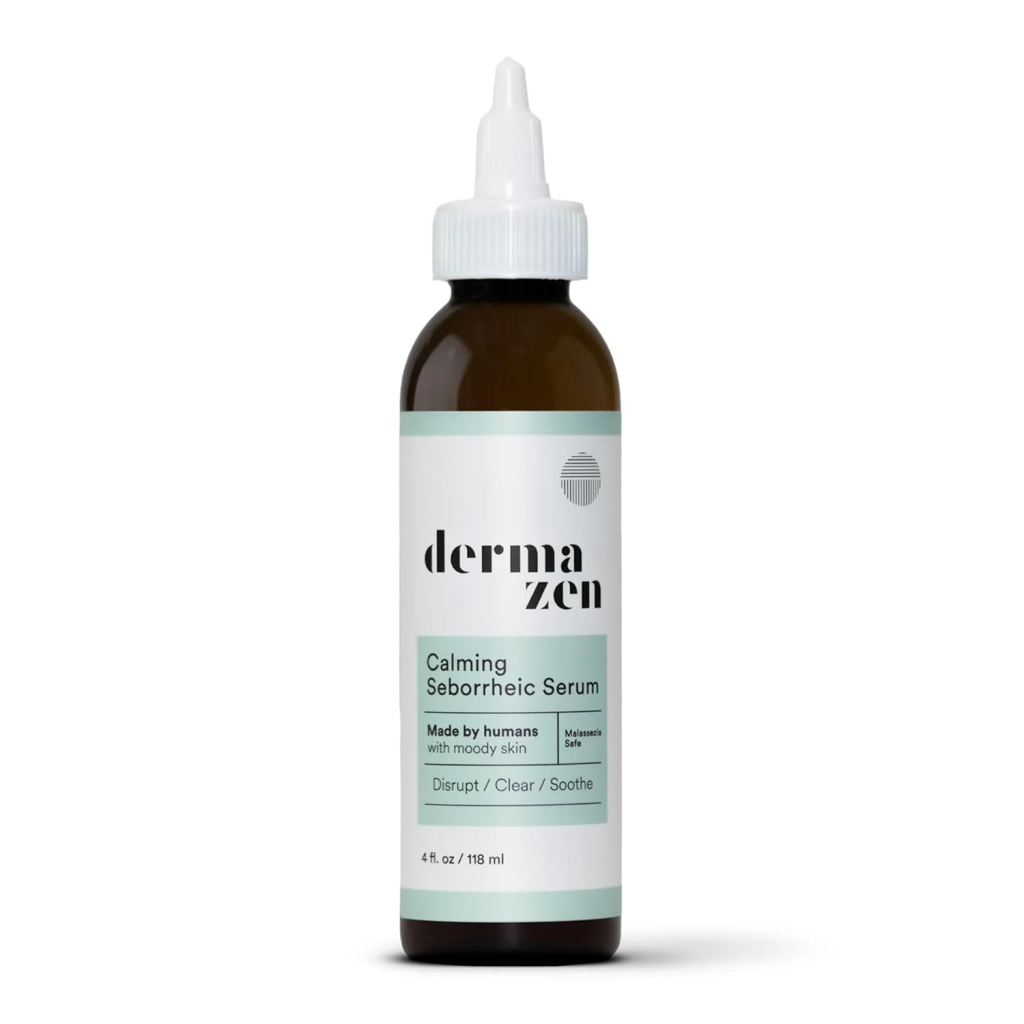
What is the Dermazen Serum?
Dermazen Serum (often sold as the “Calming Seborrheic Serum”) is a topical treatment designed to reduce flakes, redness, and irritation linked to fungal skin conditions.
It’s marketed as a gentler alternative to medicated treatments, focusing on “malassezia-safe” ingredients, meaning it avoids oils and compounds that could feed the yeast linked to seborrheic dermatitis.
Key ingredients typically include:
- niacinamide (anti-inflammatory support)
- urea (hydration + mild exfoliation)
- tea tree oil (antifungal properties)
- aloe vera and hyaluronic acid (soothing + hydration)
How It Claims to Work
According to the brand, the serum works by:
- disrupting fungal biofilm on the skin
- reducing inflammation and redness
- calming itching and irritation
- preventing flakes from forming
It’s positioned as a non-prescription, daily-use treatment that addresses the root cause rather than just symptoms.
Reality Check
There is some logic behind the formula, but also limitations.
- Ingredients like tea tree oil and niacinamide can help with inflammation and mild antifungal support
- Urea can improve skin texture and hydration
However:
- Seborrheic dermatitis is a chronic condition with recurring triggers
- Over-the-counter products rarely provide permanent clearance
- There are no studies proving this specific formula works better than standard treatments
So while the approach makes sense, the results are not guaranteed or universal.
Red Flags to Consider
No clinical trials on the product
There are no controlled studies showing that Dermazen Serum works as a complete formula.
“Root cause” marketing
Claims about solving the root cause of seborrheic dermatitis are simplified—this condition is complex and recurring.
Essential oil sensitivity
Ingredients like tea tree and rosemary oil can irritate sensitive skin, especially when used frequently.
Mixed real-world outcomes
User experiences vary widely… from strong improvement to worsening irritation.
Premium pricing
The product is priced higher than many standard antifungal treatments without stronger evidence.
Does It Really Work?
Based on available evidence and user feedback:
- It can help reduce flakes and irritation for some people
- It may work best as part of a broader routine
But it can also:
- cause burning, itching, or dryness in sensitive users
- provide temporary relief rather than long-term control
From Reddit discussions:
“It seemed to work wonders… then after about 2 months, it started coming back.”
“Broke my skin out terribly… my skin looks worse and hurts more.”
“It definitely helped clear up the flaking… but still red.”
That inconsistency is important.
Pricing
Dermazen serum is typically sold around:
- ~$49–$70 per bottle
- subscription or bundle discounts available
This places it in the mid-to-premium skincare category.
Alternatives
For seborrheic dermatitis management:
- medicated shampoos (ketoconazole, selenium sulfide)
- zinc-based treatments
- simple routines with minimal irritants
- identifying personal triggers (stress, weather, diet)
These are more consistently supported by dermatology guidelines.
What To Do If It Doesn’t Work
- stop use if irritation worsens
- avoid layering with other strong actives
- consult a dermatologist for persistent symptoms
- request a refund if within policy
Conclusion
Dermazen Serum is built on a reasonable ingredient approach for managing fungal-related skin issues, and for some users, it can provide noticeable relief. But the lack of clinical testing and the mixed real-world results make it far from a reliable solution for everyone.
For a condition as unpredictable as seborrheic dermatitis, this falls into the category of “might help, might irritate” rather than a proven fix and expectations should be set accordingly.
Also read – Ventix Vacuum Review: Worth It or Just Another Drop-Shipping Product?