

I’ll admit it, I was sceptical. Every time I opened Instagram, TikTok, or even Amazon, someone was wrapped up in glowing red lights looking like they’d wandered onto the set of a sci-fi movie. According to the ads, these wraps could help with pain, recovery, inflammation, wrinkles, and probably make your morning coffee taste better while they were at it (slight exaggeration… no pun intended).
After seeing them everywhere for months, curiosity eventually got the better of me. I wasn’t expecting miracles, but I did want to know if a red light therapy wrap was something I’d actually keep using after the novelty wore off or if it’d end up in the same drawer as every other wellness gadget I convinced myself I needed.
Key Takeaways
- Easy to use once you get into a routine.
- Comfortable enough to wear while relaxing or watching TV.
- Most beneficial for temporary muscle soreness and everyday aches.
- Consistency matters far more than long sessions.
- Don’t expect overnight results.
- Build quality varies depending on the brand, so not all wraps are created equal.
- Worth considering if you’ll actually use it several times a week.
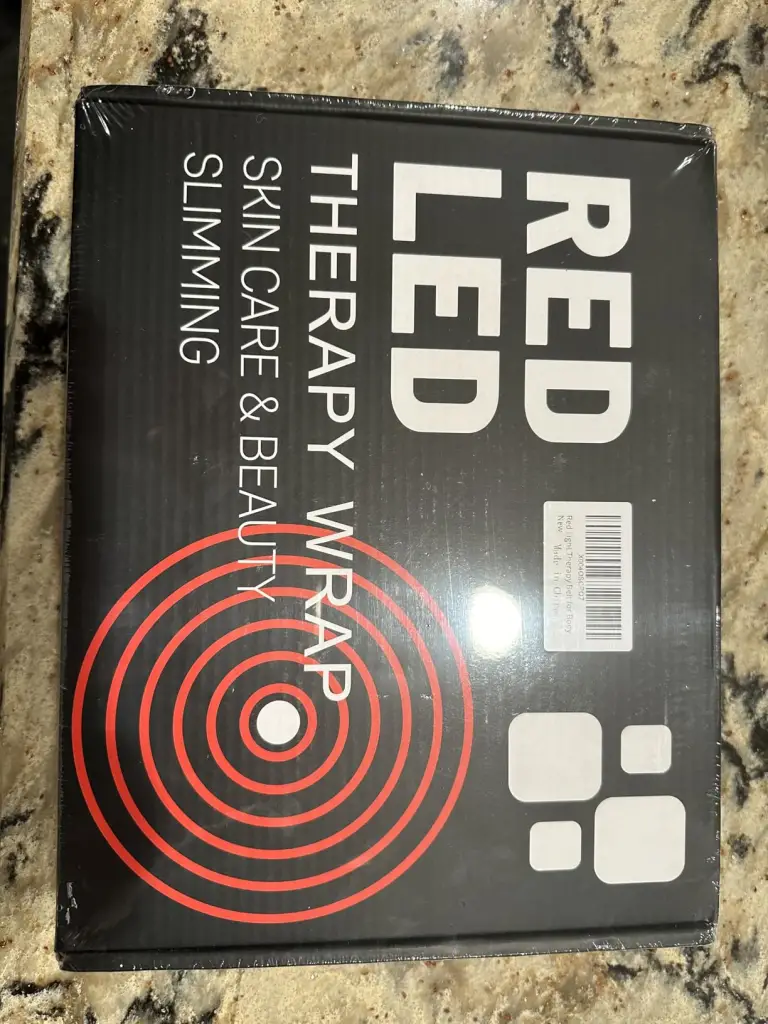
What Is a Red Light Therapy Wrap?
A red light therapy wrap is a wearable device lined with LED lights that emit red light and, in many cases, near-infrared light. It’s designed to wrap around different parts of the body- your back, knees, shoulders, waist, or legs- to deliver light directly to the area you’re treating.
The idea is simple enough. The light is supposed to penetrate the skin and support your body’s natural recovery processes. Depending on the manufacturer, you’ll see claims ranging from pain relief and muscle recovery to healthier-looking skin and reduced inflammation.
That’s the theory, anyway. The real question is how much of that translates into everyday use.
Why I Bought It
My interest wasn’t really about anti-ageing or chasing the latest wellness trend. It was more practical than that.
I liked the idea of having something I could use at home after a long day, especially on days when my back or shoulders felt tight. Heating pads are great, but they only do one thing. Massage guns work well too, but sometimes I just don’t feel like holding one against the same sore spot for ten minutes.
A wrap seemed… easier. Strap it on, press a button, sit down and let it do its thing. At least, that’s what I was hoping.
My Experience Using It
The first thing that surprised me was how lightweight it was. For some reason, I’d imagined something bulky and awkward that would constantly slide off. Instead, it wrapped around comfortably and stayed in place surprisingly well thanks to the adjustable straps.
Getting started couldn’t have been much easier. The controller was straightforward, and after one session, I didn’t really need to look at the instructions again.
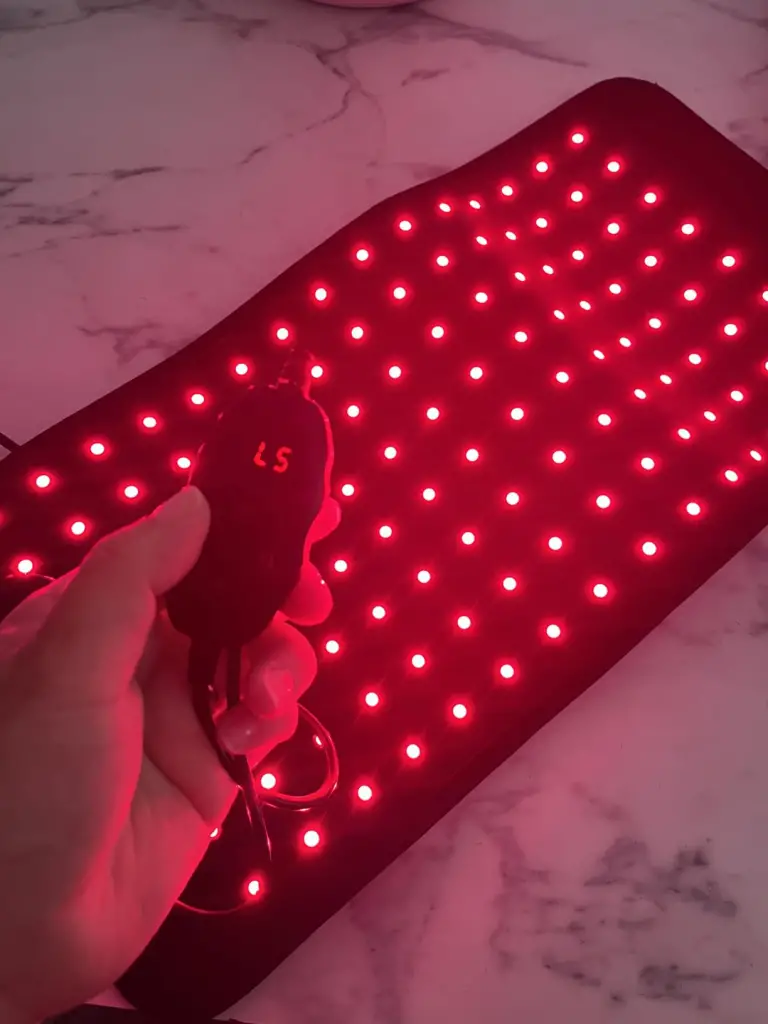
One thing I wasn’t expecting was the lack of heat. I think I’d subconsciously associated “therapy” with warmth because that’s what heating pads do. Some wraps warm up slightly during use, but mine didn’t feel hot enough to make me think, “Wow, this is working.” In fact, if you’re expecting that comforting heat, you might initially wonder whether it’s doing anything at all.
The first few sessions were honestly… uneventful. Nothing hurt, and nothing felt dramatically different. If I’m being completely honest, I started wondering whether I’d fallen for clever marketing.
But I stuck with it because every reputable source I came across kept saying the same thing: consistency matters. So I built it into my routine. Most evenings I’d wrap it around whichever area was bothering me while catching up on a TV show or answering emails. It wasn’t something I had to carve extra time out of my day for, and I think that’s one of its biggest strengths. It fit into my routine instead of forcing me to create a new one.
After about two weeks, I noticed something interesting.
I wasn’t waking up expecting to feel dramatically different, but the everyday stiffness I’d usually notice after long hours sitting at my desk didn’t seem quite as noticeable. It wasn’t gone, but it wasn’t demanding my attention either.
That’s probably the best way I can describe my experience. The improvements were subtle. The kind you don’t notice immediately, but you realise after a while that you’ve stopped complaining about the same ache every evening.
What I appreciated most was that using it became effortless. Once the excitement of trying a new gadget wore off, I kept reaching for it simply because it was convenient. That’s usually a good sign. Products that survive the “novelty phase” tend to earn their place.
That said, there were days when I questioned whether I was experiencing actual benefits or simply paying more attention to how my body felt. I don’t think that’s a bad thing, but it’s worth mentioning because red light therapy isn’t like taking a painkiller where the effect is obvious within an hour.
It’s more gradual. And that means patience isn’t optional.
Build Quality & Design
This is one area where I was pleasantly surprised. The wrap felt well-made without being unnecessarily heavy. The straps held securely, the stitching looked neat, and the controller wasn’t overloaded with confusing buttons.
It also folded away easily, which mattered more than I expected. If something is a hassle to store, I’m much less likely to use it.
The only thing I’d have liked is a slightly longer power cable. Depending on where your nearest outlet is, you may find yourself rearranging your seating position more than you’d like.
Product Claims vs. Reality
This is where expectations need a little reality check.
Claim: It relieves pain instantly.
Reality: That wasn’t my experience. Relief, if I noticed it, came gradually with consistent use.
Claim: It speeds up recovery.
Reality: I think there’s a reasonable case for this, especially after workouts, but don’t expect to feel brand new after one session.
Claim: It melts fat.
Reality: I’d be very skeptical of any company making that promise. If burning fat were as simple as wrapping yourself in red lights for twenty minutes a day, gyms would have gone out of business years ago (no pun intended).
Claim: It improves skin.
Reality: That’s possible over time, but if skincare is your main goal, there are probably more targeted devices designed specifically for the face.
Pros & Cons
Pros
- Comfortable to wear.
- Easy to fit into a daily routine.
- Straightforward controls.
- Good option for temporary aches and muscle recovery.
- Doesn’t require much effort once you get into the habit.
Cons
- Results aren’t immediate.
- Requires consistent use.
- Premium models can be expensive.
- Marketing often promises more than the product realistically delivers.
Is It Worth the Price?
That depends on one question. Will you actually use it? If you’re the type of person who buys wellness gadgets full of good intentions only for them to gather dust after a week, I’d save my money.
If, however, you enjoy recovery tools and know you’ll use them several times a week, I think it becomes much easier to justify. The wrap isn’t doing anything revolutionary every single session. Its value comes from repeated use over time.
What Other Customers Are Saying
After reading through plenty of customer reviews, one pattern stood out. People who used the wrap consistently tended to be happier with it than those expecting dramatic overnight results.
Many buyers mentioned relief from everyday muscle soreness, back discomfort, or post-workout stiffness after several weeks of regular use. On the other hand, the most common complaints weren’t usually about the device itself—they were about expectations. Quite a few people expected instant pain relief or life-changing results, and understandably felt disappointed when that didn’t happen.
Interestingly, that lined up pretty closely with my own experience. The wrap didn’t wow me after the first session, but I appreciated it more the longer I used it.
Who I Think Will Love It
I’d recommend a red light therapy wrap to people who:
- Deal with recurring muscle soreness or everyday stiffness.
- Already enjoy recovery tools like massage guns or heating pads.
- Don’t mind committing to a consistent routine.
- Want something they can comfortably use while relaxing at home.
Who Should Skip It
I’d probably pass if you:
- Expect dramatic overnight results.
- Prefer quick fixes over long-term routines.
- Think this will replace proper medical treatment.
- Aren’t likely to use it more than once or twice before forgetting about it.
Alternatives
If you’re still on the fence, it’s worth looking at a few alternatives:
- A heating pad if warmth is your main priority.
- A massage gun for deeper muscle work.
- Foam rollers for post-workout recovery.
- Larger red light therapy panels if you plan on treating multiple areas regularly.
Conclusion
I went into this expecting one of two outcomes. Either I’d discover my new favourite recovery tool, or I’d end up wondering why I’d spent money on another wellness trend.
The truth landed somewhere in the middle. I don’t think a red light therapy wrap is a miracle device, and I wish some companies would tone down the marketing because it creates unrealistic expectations. What I do think is that it’s a genuinely useful recovery tool when you use it consistently and for the right reasons.
Would I buy it again?
Yes, but I’d invest in a reputable brand rather than simply choosing the cheapest option.
Would I recommend it?
Yes, with realistic expectations. If you’re looking for a convenient way to support recovery or manage everyday aches at home, I think it’s worth considering. Just don’t expect a few glowing LEDs to solve every problem. If only it were that easy.
Also read my similar review on the Nordic Sculpt Red Light Therapy Device