

Respiratory support tools like OPEP devices have grown in visibility as people look for ways to manage chronic cough, mucus buildup, and bronchial congestion without relying solely on medications. Aerobika OPEP is one such device that appears frequently in discussions around airway clearance, especially for conditions like COPD, chronic bronchitis, or cystic fibrosis.
This review breaks down what Aerobika OPEP actually is, what it claims to do, whether there’s real evidence behind those claims, what my investigation uncovered, the major red flags, alternatives that make sense, and what to do if you’ve already bought it or are considering it.
Key Takeaways
- Aerobika OPEP is a respiratory therapy device designed to help clear mucus from airways by creating vibrations and back pressure during exhalation.
- It is used as an adjunct therapy, not a standalone cure, especially for people with chronic airway conditions.
- There is clinical evidence supporting OPEP devices for airway clearance, though results vary by condition and user technique.
- Effectiveness depends on correct use and often clinical guidance.
- It is not a weight-loss, hormone, or metabolic device; the benefits are limited to physical airway function.
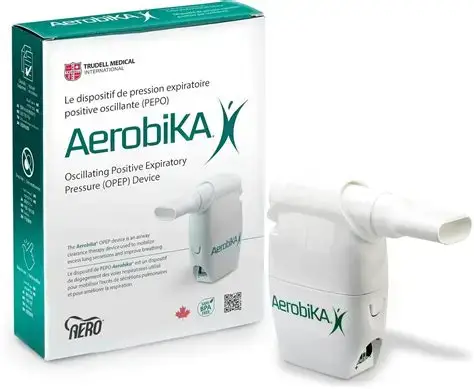
What Is the Aerobika OPEP?
Aerobika OPEP (Oscillating Positive Expiratory Pressure) is a handheld respiratory device used during breathing exercises. When a user exhales through the device, it creates resistance and oscillations that are intended to loosen and mobilise mucus along the bronchial walls, helping the airways clear more effectively.
These devices are non-pharmaceutical, mechanical tools often recommended in pulmonary rehabilitation or physician-directed airway clearance programs.
What It Claims to Do
According to promotional and clinical descriptions, Aerobika OPEP:
- Helps loosen and mobilize bronchial mucus
- Supports airway clearance in patients with chronic respiratory conditions
- Reduces breathlessness and coughing triggered by mucus buildup
- Enhances quality of life when used regularly in respiratory care routines
It does not claim to cure underlying diseases such as COPD, asthma, cystic fibrosis, or bronchiectasis — rather, it’s positioned as part of airway clearance management.
Does It Really Work?
Short answer: Yes, but with context and limitations.
OPEP devices like Aerobika have been studied in clinical settings and are commonly used in pulmonary rehabilitation. Research shows that OPEP devices may:
- Improve mucus clearance
- Reduce symptom burden in select patients
- Enhance airway ventilation
- Support lung function when used regularly with proper technique
However:
- The effect is not universal; benefits vary by individual condition, frequency of use, and correct technique.
- It does not cure underlying lung disease or permanently restore lost lung function.
- Evidence tends to show symptom improvement or supportive care, not dramatic physiological restoration.
In clinical practice, OPEP devices are often recommended alongside breathing exercises, physical therapy, medications when needed, and under medical guidance — not as a standalone gadget to solve respiratory issues instantly.
Red Flags to Consider
Not a Standalone Treatment
OPEP devices support airway clearance but are not treatments for underlying respiratory diseases — they won’t stop disease progression or replace clinical care.
Technique-Dependent Effectiveness
Without correct training or guidance, patients may not get the intended benefit. Improper use can leave symptoms unchanged or lead to frustration.
Not for All Respiratory Conditions
Some conditions (e.g., acute infections, untreated asthma attacks) may require medical management before or instead of device use.
Misleading “Easy Fix” Language
Advertisements that imply effortless breathing improvements without technique, practice, or professional guidance are oversimplified and potentially misleading.
Lack of Personalized Care
Pulmonary conditions vary widely; a one-size-fits-all patch, gel, or device isn’t appropriate for everyone. Personalised plans matter.
Alternatives
If your goal is effective airway clearance and respiratory support, consider evidence-based approaches such as:
- Guided pulmonary rehabilitation with a respiratory therapist
- Breathing exercises like active cycle breathing technique (ACBT)
- Physical airway clearance methods (postural drainage, percussion) under guidance
- Medications (mucolytics, bronchodilators) when clinically appropriate
- Inhalation therapy with saline or nebulizers when prescribed
These methods have strong clinical backing and are tailored to individual respiratory conditions.
If You Already Bought It
If you’ve already purchased Aerobika OPEP:
- Read the user guide thoroughly and practice the technique before judging effectiveness.
- If you are managing a chronic respiratory condition, consult your healthcare provider on how to incorporate it safely.
- If symptoms worsen or you experience increased coughing, dizziness, or discomfort during use, stop and seek medical advice.
- Treat it as part of a broader respiratory care plan, not as a replacement for medical evaluation or treatment.
Conclusion
Aerobika OPEP is a legitimate respiratory device used in airway clearance strategies, especially in pulmonary rehabilitation. It may help certain patients loosen and mobilise mucus when used correctly and consistently under guidance. However, it’s not a cure-all, it’s not a metabolic or weight-loss tool, and its effectiveness depends heavily on training and context. For chronic respiratory conditions, comprehensive clinical guidance remains essential.
Also read – Rivassiwatches.com Review: Is This Wrist-watch Store Legit? Find Out!