

Joint health supplements are everywhere, especially products claiming to relieve pain, improve flexibility, and “restore cartilage” without major lifestyle changes. Allura Joint Support is one such product being promoted with broad promises about joint comfort and mobility… sometimes suggesting it can replace stronger, medically supported treatments.
This review breaks down what Allura Joint Support actually is, what it claims to do, whether there’s real evidence behind those claims, what my investigation found about how it’s marketed, the major red flags, sensible alternatives grounded in science, and what you should do if you’ve already purchased it.
Key Takeaways
- Allura Joint Support is marketed as a dietary supplement for joint comfort and mobility.
- It typically includes common ingredients used in joint formulas but lacks product-specific clinical evidence.
- Some components (e.g., glucosamine, chondroitin) have limited or mixed evidence for mild joint support, not dramatic repair.
- The product’s marketing tends to overstate benefits relative to what research shows.
- Real joint health often requires lifestyle strategies and, when appropriate, professional medical care.
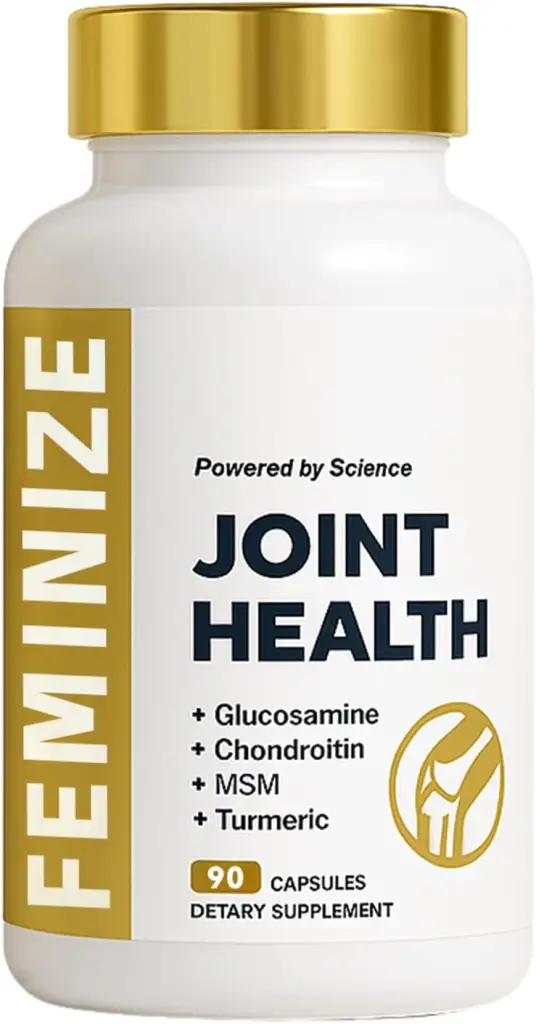
What is the Allura Joint Support supplement?
Allura Joint Support is a dietary supplement sold in capsule form and marketed for enhancing joint comfort, reducing stiffness, and supporting flexibility. It’s often advertised online through landing pages using broad claims about natural ingredients and joint “repair” benefits.
Like many supplements in this market, it is not a prescription drug and is not regulated as rigorously as medicines for arthritis, inflammation, or joint diseases.
What It Claims to Do
According to promotional materials, Allura Joint Support may:
- Reduce joint discomfort and stiffness
- Enhance flexibility and mobility
- Support healthy cartilage and connective tissue
- Promote overall joint comfort and activity
- Provide relief without strong pain medications
Some marketing implies near-miraculous improvement or “reversal” of joint issues, especially in older individuals or those with chronic discomfort.
Does It Really Work?
Short answer: Possibly for mild joint discomfort, but not in the dramatic way marketing implies.
Some ingredients commonly found in joint health formulas, such as glucosamine, chondroitin, MSM (methylsulfonylmethane), and certain plant extracts, have been studied in clinical research. The findings generally show:
- Small to modest improvements in joint comfort in some people with mild osteoarthritis or joint stiffness.
- Effects that usually take weeks to appear and are not guaranteed.
- No strong evidence that these ingredients repair cartilage or reverse structural joint damage.
Importantly:
- There is no strong clinical evidence showing that Allura Joint Support itself (as a finished product) delivers consistent, meaningful relief for joint diseases or major mobility issues.
- Supplements may help minor discomfort for some individuals, but they are not substitutes for professional medical care when significant joint degeneration or arthritis is present.
In practice, any relief is often modest and individual and not the “fix-all” result seen in some ads.
Red Flags to Consider
No Product-Specific Clinical Evidence
There’s no published clinical research showing consistent benefits from taking Allura Joint Support as a standalone, finished formula.
Overstated “Joint Repair” Language
Claims that a supplement can “repair cartilage” or reverse structural joint issues go beyond what current science supports, even for well-studied ingredients.
Vague Ingredient Dosing
Many supplements list ingredients without precise standardised dosing, making it hard to compare with research settings.
Testimonials Over Data
User quotes on sales pages are anecdotal and cannot replace independent, controlled studies.
Marketing Buzzwords
Broad language like “renew flexibility” or “transform joint health” can be persuasive, but is not equivalent to measurable clinical outcomes.
Alternatives
If joint comfort or mobility is your goal, evidence-based strategies include:
- Regular Physical Activity: Gentle exercise (walking, swimming, cycling) and strength training support joint stability and reduce stiffness.
- Weight Management: Maintaining a healthy weight reduces stress on weight-bearing joints like knees and hips.
- Physical Therapy: A therapist can design specific exercises for joint mobility and pain management.
- Heat/Ice Therapy: Simple topical strategies can ease acute stiffness or discomfort.
- Medical Evaluation: For significant or persistent pain, see a clinician, especially if arthritis or structural issues are suspected.
- Clinically Studied Supplements (with guidance): Under a healthcare provider’s supervision, some people find modest benefits from glucosamine or omega-3 supplements, but expectations should remain realistic.
These strategies have a much stronger evidence base than relying solely on any single supplement.
If You Already Bought It
If you’ve already purchased Allura Joint Support and are unsure what to do next:
- Check the refund/return policy and act within any stated window if you’re dissatisfied.
- Document your purchase and any marketing claims at the time of sale in case you need to dispute charges.
- Avoid auto-renewal subscriptions unless they were clearly disclosed; monitor your billing for unexpected charges.
- If you decide to try the supplement, treat it as supportive wellness, not a replacement for medical evaluation or prescribed treatments.
- If discomfort persists or worsens, consult a healthcare provider, especially if joint pain affects daily activities.
Conclusion
Allura Joint Support is marketed with broad claims about joint comfort, mobility, and cartilage support, but it lacks strong clinical evidence backing those claims. While some ingredients in joint formulas have modest evidence in controlled research for symptomatic relief in mild cases, they do not cure structural joint conditions, reverse arthritis, or provide dramatic mobility transformations. For meaningful joint health improvements, evidence-based strategies and clinical guidance remain the most reliable tools.
Also read – I Tried the Xiaomi Smart Pet Care Air Purifier – Here’s My Honest Review