

Supplements promising mood enhancement, stress relief, or calmer days are everywhere, and it’s easy to see why: life is stressful, anxiety and burnout are increasingly common, and people want safe, effective support. Happy Head Drops enter that space with confident claims about supporting mood, reducing stress, and lifting mental fog, all through a simple drop-based formula.
In this review, I’ll break down what Happy Head Drops claim to do, how they supposedly work, where the science supports or fails those claims, the major red flags in its marketing, what actual users report, and whether this product is a legitimate mood-support supplement or a case of exaggerated marketing.
Key Takeaways
- Happy Head Drops are marketed as a mood and emotional support supplement.
- They promise to support calm, clarity, and stress resilience using botanical or nootropic ingredients.
- There’s no strong clinical evidence validating the specific formula for mood or anxiety relief.
- Marketing relies on broad, emotional language instead of targeted scientific proof.
- User feedback is mixed, with many noting minimal benefit.
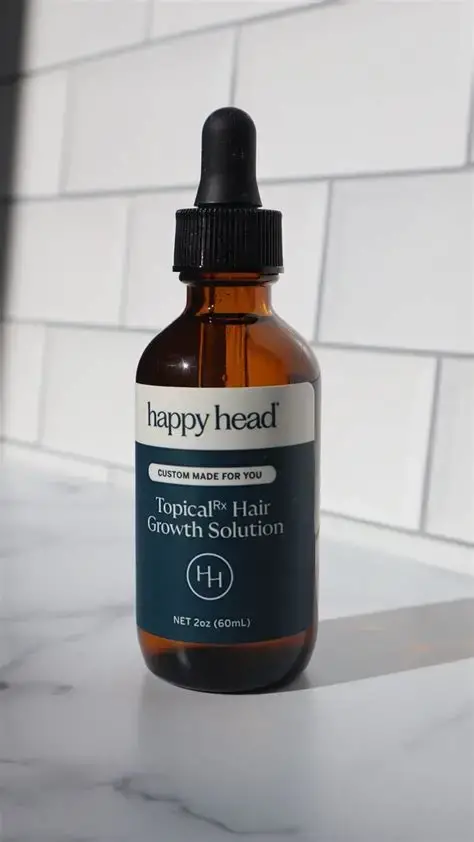
What Are Happy Head Drops & How They Claim to Work
Happy Head Drops are sold as a dietary supplement, usually liquid drops taken sublingually or mixed with water, designed to support mood, mental calm, and emotional balance. According to marketing materials, the formula contains a blend of botanicals, adaptogens, amino acids, and “nootropic” compounds that are purported to help the brain manage stress, regulate neurotransmitters, and promote a sense of ease or clarity.
The product’s narrative suggests that the ingredients work synergistically to encourage positive mood states, reduce the impact of stress hormones, and help users feel more emotionally balanced throughout the day.
Claims vs. Reality
The truth is that while some nutrients and plant extracts have preliminary research suggesting mild effects on stress or calmness (e.g., L-theanine, certain herbal extracts), the scientific evidence is limited, context-dependent, and far from definitive, especially when it comes to complex psychological states like mood or anxiety.
Importantly, there are no published clinical trials on Happy Head Drops’ proprietary formula demonstrating that it produces the effects its marketing implies. Without transparent, peer-reviewed studies on this specific blend, claims of mood elevation or stress normalization are aspirational, not scientifically proven.
Red Flags to Consider
Overbroad Mood Claims Without Clinical Backing
Happy Head Drops often use phrases like “lifting mood,” “emotional support,” and “stress resilience” without linking to specific research trials on the product itself. Mood and anxiety are complex neurochemical states that require rigorously tested interventions, not generalized supplement claims.
Vague Ingredient Transparency
If the product uses proprietary blends or fails to disclose exact ingredient amounts, it’s impossible to know whether key ingredients are present at effective, evidence-based doses. This is a common issue in mood-support supplements.
Emotional Appeal Messaging Over Scientific Detail
Marketing emphasizes how you feel (happy, calm, clear) rather than explaining why or how the ingredients have measurable effects. This emotional messaging helps sell products, but it doesn’t substitute for credible evidence.
Lack of Published Clinical Trials
Strong supplements have human trials on their exact formula showing consistent outcomes. Happy Head Drops provide none, meaning that any perceived effect is unverified.
Potential Placebo Effect Window Dressing
Positive reports of “feeling better” can sometimes be placebo effects, especially in mood supplements where expectation plays a huge role. Without controlled trials, it’s impossible to separate placebo from real effect.
Does It Really Work?
For some people, possibly, but only modestly and inconsistently.
Certain ingredients often found in mood or calmness formulas, like L-theanine, magnesium, or chamomile extract, may support relaxation or mild stress relief for some people. However, individual responses vary widely, and there’s no guarantee any person will feel a noticeable difference.
Happy Head Drops are not a replacement for clinical interventions for anxiety, depression, or serious mood disorders, nor should they be viewed as such.
In everyday cases of mild stress or situational emotional fatigue, a gentle supplement might offer a slight calming or enjoyable effect, but this is far from the dramatic “mood boost” outlined in marketing materials.
User Feedback & Complaints
In independent reviews and consumer forums, feedback tends to be mixed:
Some users report subtle improvement in stress perception or a mild calming sensation after use, often describing it as “nice but not life-changing.”
Others state they experienced no noticeable effects whatsoever even after weeks of consistent use, or that any calming feeling was short-lived.
A number of complaints focus on taste, lack of clear instructions, or confusion over dosage, which suggests inconsistency in product experience.
There are occasional mentions of refund difficulties or unclear customer support, though this varies by vendor.
Is Happy Head Drops a Scam?
Not necessarily a scam in the sense of non-delivery, you’ll likely receive a product.
However, it does fall into the category of overhyped supplement marketing if the product’s description implies more than what evidence supports. Mood and brain chemistry are complex and cannot reliably be improved with a single supplement unless it’s clinically validated.
The danger with such products is not that they are fake… It’s that they may promise results far beyond what they can realistically deliver, leading users to spend money with misplaced expectations.
Safety & Considerations
Most mood-support ingredients (e.g., herbal extracts, L-theanine) are generally considered safe in moderate doses for most adults. However:
- People taking medications (especially antidepressants, anxiolytics, or blood thinners) should consult a healthcare provider before adding any mood-support supplement.
- Individuals with diagnosed or chronic mental health conditions should not substitute supplements for professional treatment.
Always review full ingredient lists, watch for allergies, and discontinue use if you experience adverse reactions.
Conclusion
Happy Head Drops market themselves as a convenient, drop-based mood and emotional wellness supplement. While some ingredients commonly linked to relaxation or mild stress relief may offer supportive effects, there is no strong clinical evidence that Happy Head Drops themselves produce significant or reliable mood enhancement.
Verdict: May offer minor, subtle, short-term support for occasional stress, but not a proven or reliable mood support solution. Manage expectations accordingly.
Also read – Beware of the Peorax.com Crypto Gaming Scam Platform