

CircuSync Blood Optimizer has been popping up in aggressive online ads claiming to support blood sugar balance, circulation, and overall metabolic wellness. Some campaigns even use Fox News-style videos or fake celebrity endorsements to make it seem like a medically proven “breakthrough.” If you’ve seen this product online and wondered what’s true and what’s hype, this review breaks it all down.
In this analysis, I’ll look at what CircuSync actually says it does, what evidence exists (or doesn’t), the biggest red flags in its marketing, and what you should consider before thinking about buying it.
Key Takeaways
- CircuSync is marketed as a natural blood sugar and circulation support supplement made of plant extracts and nutrients.
- The product’s online presence is tied to deceptive marketing tactics, including AI-generated videos and fake news-style promotions, not verified medical endorsements.
- The official sites make broad wellness claims, but there’s no published clinical evidence proving the product reliably improves blood sugar, circulation, or metabolic health in humans.
- Multiple independent scam-detection sources rate the website as low trust or potentially unsafe, and real independent user reviews are scarce.
- Any benefits some people report are more likely mild and individual, not dramatic or guaranteed.
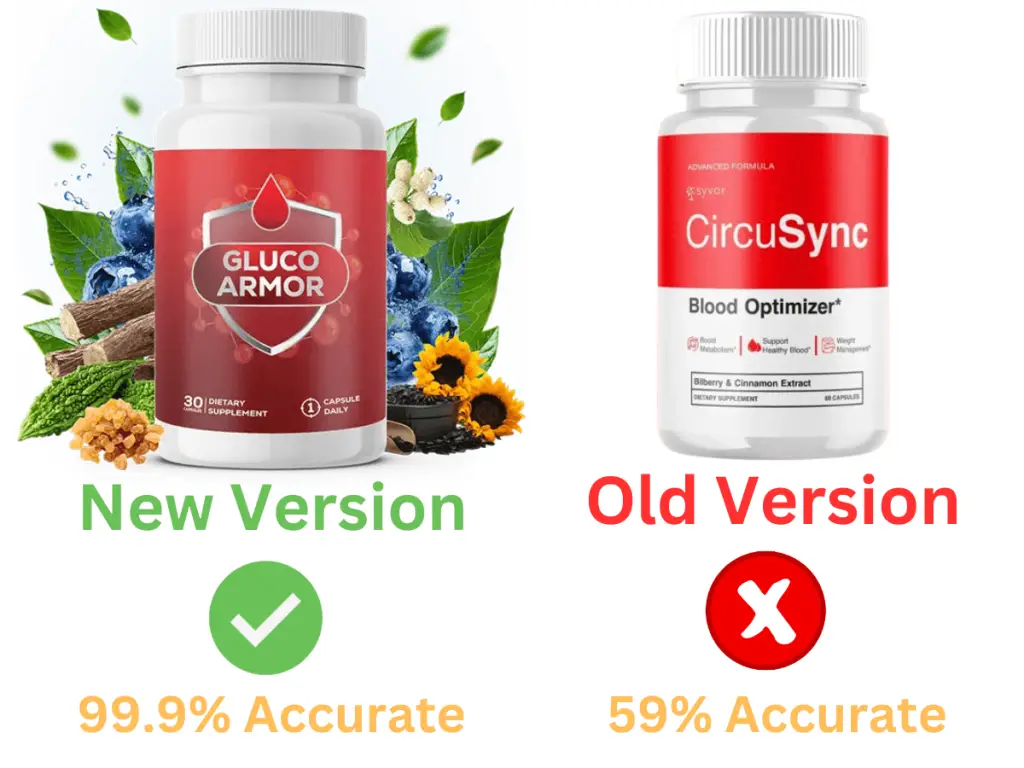
What CircuSync Claims & How It’s Promoted
According to its sales pages, CircuSync is a dietary supplement formulated with natural botanicals, vitamins, and minerals to support:
- Balanced blood sugar levels
- Healthy circulation and metabolic function
- Steady energy and overall wellness
Many ads exaggerate or imply endorsements by news outlets or public figures… claims that are fabricated and not tied to real coverage or official backing.
The official ingredient lists vary between sites but commonly include things like chromium, biotin, bitter melon, and other botanicals traditionally associated with metabolic or cardiovascular support.
Claims vs. Reality
Ingredient Associations Don’t Equal Proof
Some ingredients in the product may have modest connections to aspects of metabolism or circulation in specific research contexts (e.g., chromium for insulin sensitivity). But:
- The product itself has no independent clinical trials proving it works as marketed.
- Ingredient amounts and doses aren’t always transparent or evidence-based, making it unclear whether they are present at effective levels.
- Broader claims about energy, inflammation, or holistic “blood health” go well beyond what supplements can reliably deliver.
No Medical Endorsements or Regulatory Verification
Despite ads claiming big media features or celebrity backing, there’s no credible source showing CircuSync was ever featured on major news or endorsed by health authorities.
Marketing pages may reference FDA-registered facilities, but dietary supplements are not FDA-approved for effectiveness… only manufactured under regulated conditions. The presence of a facility registration does not confirm the product’s efficacy.
Red Flags to Consider
AI-Generated & Misleading Marketing
One of the most alarming patterns we encountered is the use of AI-generated videos, deepfake spokespersons, and fake “news coverage” to sell the product. These videos borrow logos like Fox News or public figures who have no connection to the product.
This is not medical evidence… it’s manufactured persuasion.
Lack of Independent, Verifiable Reviews
Independent, trustworthy reviews from sites like Consumer Reports, Healthline, or verified user platforms are not available. Instead, what you find are mostly sales pages or affiliate articles with little real consumer input.
The absence of real external reviews is a major red flag in health products.
Low Website Trust & Short Domain Age
Scam-detection tools rate the official domains associated with CircuSync as having a low trust score and very young age, which are common markers used by fraudulent or high-risk supplement funnels.
This doesn’t automatically prove fraud, but it should make consumers cautious.
Broad Claims Without Measurable Evidence
Claims that the supplement “boosts energy,” “improves metabolic function,” or “enhances overall wellness” are word-of-mouth benefits rather than scientifically validated results. These types of claims are too broad and unspecific to be meaningful without real data.
Pressure Sales Tactics
Official sales pages use urgent pricing, large discounts, bundle pushes, and “limited supply” messaging, which are typical strategies to induce quick buying decisions without encouraging careful evaluation.
Does It Actually Work?
Realistically: There’s no strong evidence that CircuSync reliably improves blood sugar control, circulation, or metabolic health in a clinically meaningful way.
The product may contain ingredients that are loosely associated with aspects of health, but without published human trials of the product itself, no definitive conclusions about effectiveness can be made.
Any improvements are likely to be mild, individual, and supportive at best, rather than clinically significant changes.
Conclusion
CircuSync Blood Optimizer is marketed aggressively with flashy claims and persuasive ads, but the quality of evidence backing those claims is weak or nonexistent. The marketing strategies, particularly deepfake videos and misleading endorsements, are the real story here and raise serious trust concerns. The website’s low trust score and lack of independent consumer feedback add to the caution.
Verdict: Approach with extreme scepticism. This product’s claims exceed what’s supported, and the promotional tactics are a clear red flag for deceptive health marketing.
Also read – I Bought the BaByliss Precision Trimmer — Worth the Money or Not? (Review)