

I bought the EF ECOFLOW Portable Power Station DELTA 3 Max because I wanted a reliable portable power solution that actually delivers real usable wattage, not just a gimmicky gadget. At $749, my expectations were high, and honestly, this thing ended up being kind of a “take it or leave it” device, depending on what you need it for.
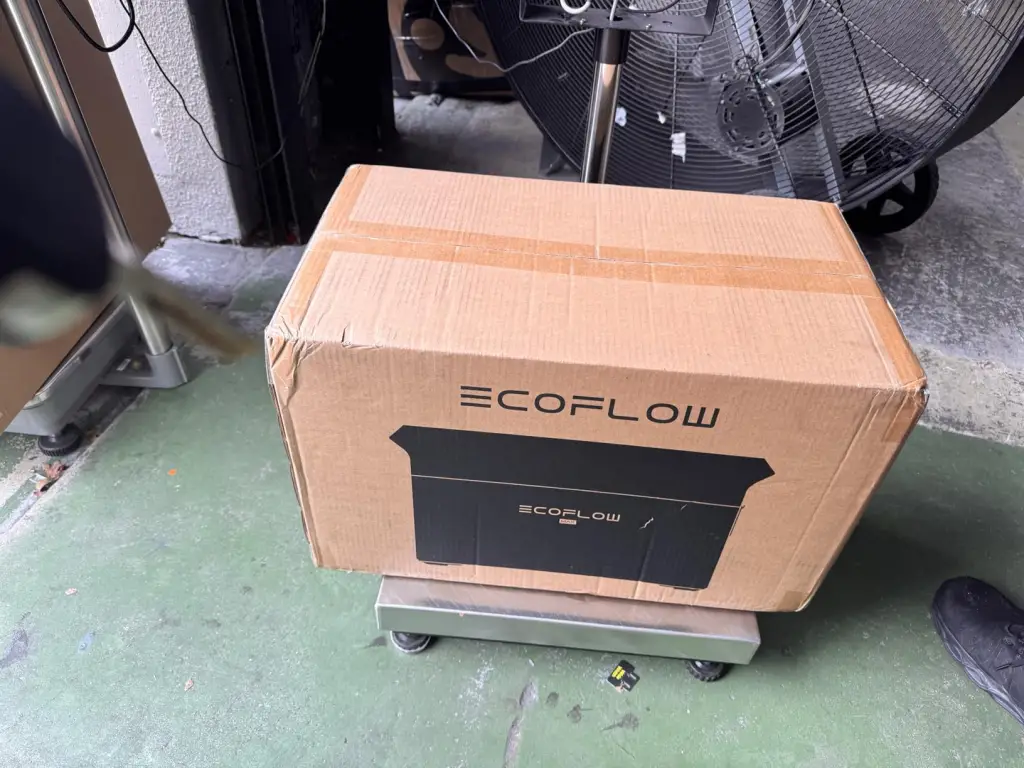
What Is the EcoFlow DELTA 3 Max?
The EcoFlow DELTA 3 Max is a mid-to-high-capacity portable power station, essentially a battery generator you can carry to power devices during outages, road trips, job sites, camping, or anywhere you need juice without plugging into the grid. It’s designed to output power to a bunch of devices at once (outlets, USB-C, USB-A, car ports, etc.) and recharge in multiple ways (AC wall, car, solar, etc.). On paper, it looks like a mini-grid you carry in a suitcase.
Why I Tried It
I wanted something more than just a small USB battery bank, something that could realistically power my laptop, charge cameras and phones, maybe run a mini-fridge overnight, and act as a backup if the power goes out. I wasn’t looking for industrial power, just dependable, versatile power without a million cables and adapters.
My Experience Using It
When you first unbox the DELTA 3 Max, it feels solid and well-built, not flimsy or toyish. The ports are clearly labelled, the display is easy to read, and setup really is just plugging devices in. The first thing I tested was charging everyday gear: phones, tablets, Bluetooth speakers, etc. This thing has a ton of ports, so I could power multiple devices at once without unplugging.
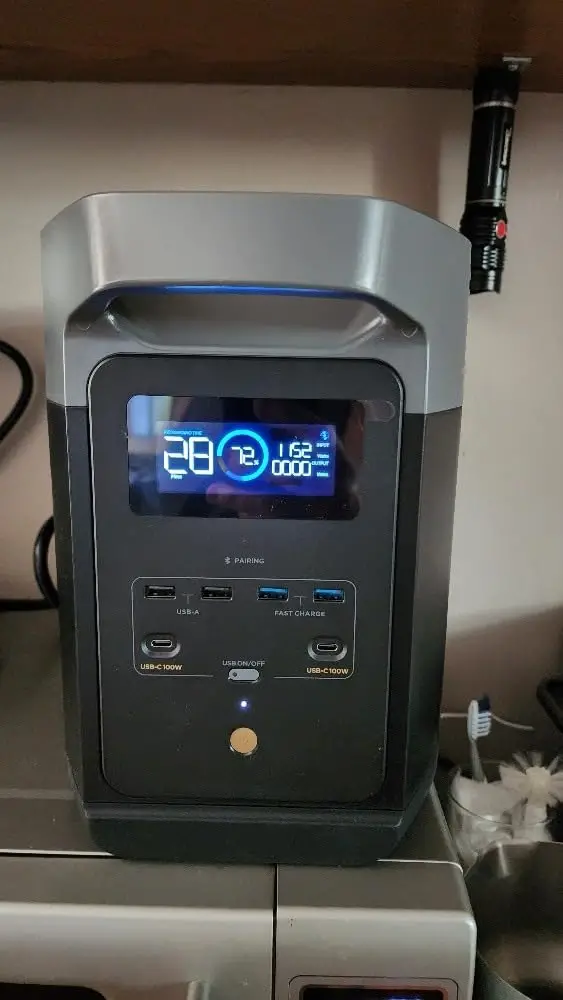
Charging speed was impressive. My laptop and phone both charged quickly, and the USB-C ports actually hit the higher wattage levels they claim, something I don’t always see with cheaper stations. That felt like an actual upgrade from the usual portable chargers.
Then I tried something more serious: powering a small fridge and a couple of lights overnight. The DELTA handled it… but it definitely used a big chunk of its capacity to do it. In other words, it worked, but it didn’t feel like “magic battery forever.” I had to be mindful of how much I was pulling, and if I’d overstuffed it with too many high-draw devices, the estimated runtime dropped fast.
Recharging the unit was another experience in itself. If you plug it into a standard wall outlet, it refills faster than I expected for a battery this size. Using solar panels, it took longer (as expected), but it’s nice that it can be powered that way if you’re off the grid. Just plan your timing… it isn’t instantaneous.
A couple of things annoyed me, though. First, the fan kicks in more often than I’d like, especially when it’s under load. It’s not loud like a leaf blower, but it’s definitely noticeable if you’re trying to relax or sleep nearby. Second, the price… $749 is a chunk of change, and this feels like a “serious backup” rather than a “life-saving essential.” It’s perfect if you need that level of output, but it’s overkill if you just want a little USB charger with bonus sockets.
Pros & Cons
Pros
- Sturdy build and intuitive design
- Multiple output ports for many devices at once
- Fast recharge from AC outlet
- Good USB-C power delivery
- Solar charging is a legit backup option
- Great for travel, camping, or home outage needs
Cons
- Pricier than basic stations
- Fan noise is noticeable under load
- Big devices drain capacity fast
- Not a tiny pocket unit… it’s still substantial
- Solar charging practical only with large panels
Who This Might Work For
- Road trippers who actually use devices off-grid
- People who want a reliable emergency backup
- Photographers and creators needing stable power for gear
- Campers who want more than a little lantern battery
- Anyone who regularly needs real wattage, not just USB juice
Who Should Skip It
- Anyone who just wants to charge a phone once in a while
- People who want quiet, ultra-lightweight gear
- Budget buyers who don’t need multiple outlets
- Users with zero need for high-output AC power
Alternatives to Consider
If you want lighter, cheaper, or more heavy-duty options:
- Jackery Explorer 1000 / 1500
- Bluetti EB150 / AC200
- EcoFlow River Series
- Goal Zero Yeti 1000
Each of these does similar jobs with slightly different strengths (battery size, recharge speed, portability).
Conclusion
The EcoFlow DELTA 3 Max isn’t perfect, but it does what it promises. If you need a legit portable power station that can really power gear, keep you topped up during outages, and handle multiple devices at once, it’s a solid choice. Just be aware it’s not cheap… and for that price, you should expect serious performance. It’s not a tiny phone charger substitute, but if you needed something that feels like a dependable off-grid battery, this one gets that job done.
Also read – Is JackandJenJewelry.com A Legit Store to Shop From? Find Out!