

Smart rings are having a moment. With devices like Oura setting the benchmark, dozens of low-cost “health rings” have flooded the market, all promising sleep tracking, heart rate monitoring, stress insights, and even blood oxygen levels in a tiny, sleek band. Fitorb Smart Ring positions itself as a premium, all-in-one wellness tracker at a fraction of the cost. But the question is simple: is it actually smart, or just smartly marketed?
In this review, I break down what the Fitorb Smart Ring really is, how it claims to work, how its features compare to established smart rings, the red flags in its marketing, what real-world performance looks like, and whether this is a legit fitness wearable or another dropshipped device.
Key Takeaways
- Fitorb Smart Ring claims to track sleep, heart rate, blood oxygen, steps, and activity.
- It is significantly cheaper than clinically validated smart rings, which matters.
- There is no evidence of medical-grade accuracy or independent validation.
- Marketing leans heavily on feature lists rather than data reliability.
- This appears to be a generic smart ring rebrand, not proprietary technology.
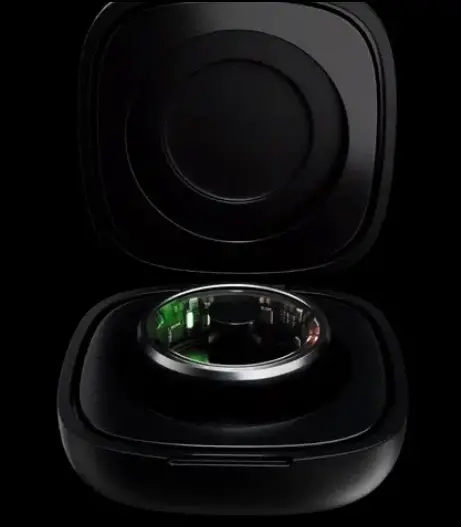
What Is the Fitorb Smart Ring?
The Fitorb Smart Ring is a wearable fitness tracker designed to be worn on the finger, marketed as a discreet alternative to smartwatches. It claims to monitor metrics like sleep quality, heart rate, SpO₂, steps, calories burned, and general activity levels, syncing data to a companion smartphone app.
The product is promoted as lightweight, water-resistant, long-lasting on a single charge, and suitable for 24/7 wear, positioning it as a wellness and lifestyle tracker rather than a medical device.
How It Claims to Work
According to marketing materials, the ring uses optical sensors (likely PPG sensors) to detect changes in blood flow and movement, translating that data into health metrics through its app. This is the same type of technology used by premium wearables, but the quality of sensors, algorithms, and calibration is what separates accurate devices from unreliable ones.
Fitorb does not disclose sensor specifications, algorithm validation, or data accuracy thresholds.
Reality Check: Claims vs. Practical Use
Tracking heart rate and movement at a basic level is entirely plausible. However, advanced insights like sleep stages, stress levels, and recovery require refined algorithms and extensive testing. Budget smart rings often struggle with consistency, especially during sleep or low-movement periods.
Without published validation, there’s no way to confirm whether Fitorb’s data is meaningfully accurate or simply estimated.
Red Flags to Consider
No Clinical Validation or Accuracy Disclosure
Unlike established smart ring brands, Fitorb provides no peer-reviewed studies, white papers, or third-party testing results to support accuracy claims.
Generic Feature Overload
The ring claims to track nearly everything… sleep, heart rate, oxygen, calories, steps, and stress, which is typical of white-label wearables trying to compete on features rather than performance.
Rebranding Pattern
Fitorb’s design, specs, and feature list closely resemble multiple other “smart rings” sold under different brand names online, suggesting it is not proprietary hardware.
App Dependency & Data Quality Concerns
Budget smart rings often rely heavily on their apps to “smooth” or estimate data, which can make insights look polished while masking inaccuracies.
Lifestyle Framing Instead of Health Transparency
Marketing emphasizes convenience, aesthetics, and affordability, while avoiding specifics about limitations, a common tactic when precision is lacking.
Is the Fitorb Smart Ring a Scam?
Fitorb Smart Ring does not appear to be an outright scam in the sense of non-delivery. Buyers are likely to receive a functioning ring. However, the health-tracking expectations set by the marketing may not align with reality.
This places it in the category of overhyped consumer tech, not a medical or performance-grade wearable.
Does It Really Work?
At a basic level, yes, it likely tracks steps, general movement, and approximate heart rate trends. Where it falls short is in precision, reliability, and actionable insights.
If you’re expecting Oura-level sleep accuracy, recovery scoring, or health insights, Fitorb is unlikely to deliver. If expectations are limited to casual wellness tracking, some users may find it “good enough.”
Who It Might Be For (and Who It’s Not)
It may suit users who want a low-cost, minimalist fitness accessory and are comfortable treating the data as rough guidance rather than medical truth. It is not suitable for users managing health conditions or relying on wearable data for serious decisions.
What to Do If You Already Bought It
- Treat all metrics as estimates, not diagnostics
- Compare readings occasionally with a known device for context
- Avoid making health decisions based solely on the app
- Check return policies if performance doesn’t meet expectations
- Be cautious of future upsells or subscription prompts
Conclusion
The Fitorb Smart Ring is best described as a generic smart ring wrapped in premium-sounding marketing. While it may function as a basic activity tracker, it lacks the transparency, validation, and refinement required to justify its more ambitious health claims.
Verdict: Not a scam, but not a serious health tracker either. Proceed only with realistic expectations.
Also read – Petlibro Automatic Cat Water Fountain — Was It Worth Buying? My Honest Review