

Over the past few months, “GLP-1 weight loss patches” have been popping up everywhere… social media ads, fake news articles, and long sales videos promising effortless fat loss without injections, prescriptions, or side effects. They’re often framed as a medical breakthrough or a hidden alternative to popular weight-loss drugs.
This review takes a hard, evidence-based look at these GLP-1 patches… what they claim to do, how they’re marketed, and why they raise serious red flags. If you’ve seen these ads and wondered whether they’re legit, this breakdown will explain exactly what’s going on.
Key Takeaways
- GLP-1 weight loss patches are not FDA-approved and are not equivalent to prescription GLP-1 medications like semaglutide or tirzepatide.
- There is no credible human clinical evidence showing that these patches can deliver GLP-1 hormones or reliably mimic their effects through the skin.
- Most products rely on misleading medical buzzwords, vague “microneedle” or “nano” claims, and ingredient associations rather than proof.
- Marketing frequently uses fake authority signals (doctor images, news-style pages, exaggerated testimonials) instead of transparent data.
- Any reported weight loss is far more likely due to placebo effects, diet changes, or normal fluctuations, not the patch itself.
- As a category, GLP-1 weight loss patches show multiple scam-like patterns and should be approached with extreme skepticism.
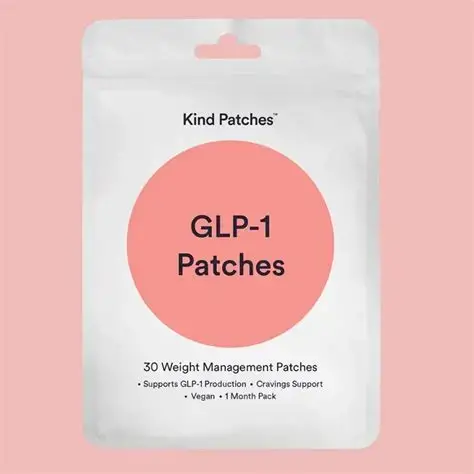
What Are GLP-1 Patches Supposed to Be?
GLP-1 (glucagon-like peptide-1) is a hormone involved in appetite regulation and blood sugar control. Legitimate GLP-1 medications (like semaglutide or tirzepatide) are prescription injectable drugs, clinically tested, tightly regulated, and used under medical supervision.
GLP-1 patches, as sold online, claim to:
- Deliver GLP-1 or “activate GLP-1 pathways” through the skin
- Suppress appetite naturally
- Mimic prescription weight-loss drugs without injections
- Cause rapid fat loss with minimal lifestyle change
These patches are often marketed as microneedle, nano, or transdermal solutions.
How They Claim to Work
Most GLP-1 patch sales pages follow the same narrative:
- GLP-1 hormones control hunger and fat storage
- Prescription GLP-1 drugs work, but are expensive and “dangerous”
- These patches supposedly deliver similar effects naturally
- The patch “signals your body to burn fat” while you live normally
The problem? This mechanism is never backed by product-specific clinical data.
Reality Check: What Science Actually Says
Prescription GLP-1 ≠ Over-the-Counter Patches
Real GLP-1 medications:
- Are large peptide molecules
- Are not absorbed easily through skin
- Require precise dosing and pharmacokinetics
- Are delivered via injection, not patches
There is no FDA-approved GLP-1 patch for weight loss sold directly to consumers.
Microneedle Buzzwords Don’t Equal Proof
While microneedle technology exists in medical research, it requires:
- Controlled drug formulation
- Verified systemic absorption
- Human clinical trials
None of the consumer GLP-1 patches provide:
- Human absorption studies
- Blood-level data
- Dose verification
- Peer-reviewed trials
Without this, claims of “GLP-1 delivery” are scientifically implausible.
Major Red Flags To Consider
Misuse of Medical Terminology
These products rely heavily on scientific-sounding language, “GLP-1 activation,” “hormonal reset,” “metabolic signaling”, without explaining how or how much of anything is actually delivered.
Using a real medical term does not make a product medical.
Fake Authority & Deeply Misleading Marketing
Common patterns include:
- Fake news pages styled like Fox, CNN, or BBC
- AI-generated or stock “doctors”
- Unverified claims of celebrity or physician endorsement
- Dramatic warning headlines (“Doctors are furious”)
These tactics are designed to manufacture trust, not inform consumers.
No Ingredient or Dose Transparency
Many GLP-1 patches:
- Don’t list actual GLP-1 (because they legally can’t)
- Hide behind proprietary blends
- Use vague “plant-based activators” with no dose info
Without dosage, effectiveness cannot be evaluated.
Testimonials Instead of Evidence
Claims like:
- “I lost 25 pounds in 14 days”
- “No diet, no exercise”
- “Better than Ozempic”
are not evidence. They’re unverifiable reviews commonly used in scam funnels.
Subscription Traps & Billing Complaints
Many buyers report:
- Unexpected recurring charges
- Difficulty getting refunds
- Charges far higher than advertised
This business model prioritizes retention billing, not product efficacy.
Is This a Scam Category?
While not every patch is identical, the GLP-1 patch category as a whole strongly resembles a scam funnel, not a legitimate medical innovation.
Key reasons:
- No regulatory approval
- No human trials
- No delivery proof
- Heavy reliance on deception-based marketing
- Recycled supplement funnel tactics
At best, these patches may contain harmless herbal compounds. At worst, they exploit medical terminology to sell false hope.
Does It Actually Work?
There is no credible evidence that GLP-1 weight-loss patches:
- Deliver GLP-1 hormones systemically
- Mimic prescription GLP-1 drugs
- Cause meaningful or sustained fat loss
Any weight changes reported are far more likely due to:
- Calorie changes
- Placebo effects
- Temporary appetite fluctuation
Not the patch itself.
What To Do If You’ve Already Bought One
- Monitor your bank statements for recurring charges
- Contact your card issuer if billing isn’t as advertised
- Avoid relying on the patch instead of medical care
- Be cautious of rebranded versions… many use identical funnels
Conclusion
GLP-1 weight loss patches are not a legitimate alternative to prescription GLP-1 medications.
They rely on medical buzzwords, misleading advertising, and consumer confusion rather than proven science.
Verdict: This is a high-risk, low-credibility product category. Claims significantly outpace evidence, and consumers should approach with extreme skepticism.
Also read – Onlinelivegambling.com Review: Legit Online or Scam? Find Out!