

If you or a loved one has ever worried about memory lapses, brain fog, or early cognitive decline, it’s understandable why an ad for a “brain‑boosting” supplement like MemoTril might catch your eye. Promises of sharper memory, restored mental clarity, and even “reversing dementia” sound hopeful.
In this review, I dig into what MemoTril claims, what evidence exists, and whether this supplement is a legitimate cognitive aid or a dangerous, deceptive product.
Key Takeaways
- MemoTril is promoted online as a memory and brain‑health supplement, claiming to improve focus, memory, and cognitive performance.
- The marketing around MemoTril involves alarmist language (fear of dementia, Alzheimer’s), strong promises (memory restoration, brain fog elimination), and often uses testimonials or fake endorsements, including deepfake‑style videos of celebrities and “experts.”
- Independent watchdogs and scam‑alert sites flag MemoTril as a “memory‑cure scam,” warning that the promotional materials are misleading, the endorsements are fake, and the product lacks any clinical evidence supporting its dramatic claims.
- There is no verifiable, peer‑reviewed scientific research confirming MemoTril’s claim to reverse memory loss, treat dementia, or significantly boost cognition. Publicly available information about its actual ingredient list, dosage, manufacturing transparency, and testing is extremely limited.
- Users and consumer‑protection sources report serious risks: financial loss, poor delivery or non‑delivery, misleading subscription or recurring billing, unfulfilled “money‑back guarantees,” and potential for personal data misuse.
What It Claims to Be & How It Claims to Work
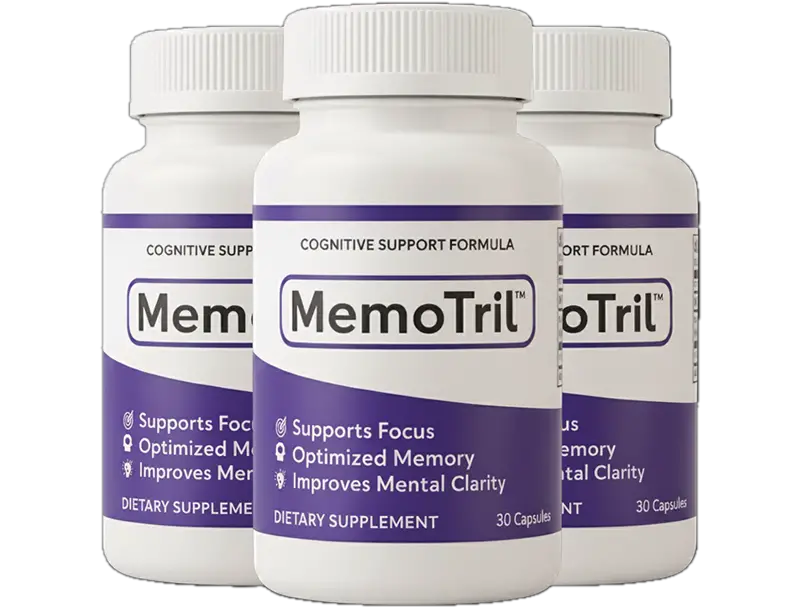
MemoTril positions itself as an “advanced brain health supplement”, marketed to improve memory, enhance focus, boost learning capacity, and support “neural repair & healthy synaptic signaling.”
On its official site, MemoTril claims to use a blend of “neuro‑protective herbal extracts,” vitamins (B‑complex), omega‑3 fatty acids, and other ingredients that supposedly support brain cell health and improve cognition.
The marketing suggests that consistent daily use will lead to improved memory, mental clarity, reduced “brain fog,” and overall enhanced mental performance, with claims of noticeable results in a matter of weeks.
Claims vs. Reality
- Claim: MemoTril can restore memory and reverse cognitive decline.
Reality: There is no credible evidence or clinical trial data showing that MemoTril can reverse memory loss, dementia, or Alzheimer’s. Independent investigations label its claims as false and the marketing as deceptive. - Claim: Ingredients in MemoTril support neural health and synaptic repair.
Reality: While some dietary supplements and nutrients (e.g. omega‑3, B‑vitamins) have limited evidence for general brain health support, the exact formula of MemoTril is opaque. Its websites do not provide transparent, verifiable lab reports or ingredient‑dose breakdowns — making any claimed benefit speculative at best. - Claim: Approved, safe, and produced in quality facilities.
Reality: The “FDA‑registered” or “GMP‑certified” badges displayed on the sales pages appear to be part of the marketing narrative; but dietary supplements like this do not require FDA approval, and such claims are commonly used to create false legitimacy in fraudulent promotions. - Claim: Positive user reviews and dose‑backed results.
Reality: Almost no credible, verifiable user reviews exist outside the sales websites. Independent review platforms and consumer watchdogs find no proof of real-world success and many reports of non‑delivery, refund issues, or payment problems.
Red Flags to Consider
Fake Testimonials, Deepfakes, and Fabricated Endorsements
MemoTril’s marketing frequently uses AI‑generated or manipulated videos featuring supposed celebrities and “experts,” making impossible claims about memory restoration. Independent reviewers call these ads part of a “deepfake scam,” deliberately designed to mislead vulnerable consumers.
Emotional Fear‑Based Marketing Targeting Memory Loss Anxiety
Ads for MemoTril leverage fear, using images of elderly people, dementia warnings, and dramatized “memory loss stages” to pressure viewers into buying quickly while emotionally vulnerable. This is a typical hallmark of scam‑style marketing.
Lack of Transparency: No Verified Manufacturing or Independent Testing
The publicly accessible product pages do not supply verified Certificates of Analysis (COAs), third‑party lab reports, or clear information about who manufactures the product, raising serious concerns about quality control, safety, and authenticity.
High Risk of Financial Loss & Hidden Subscription/Recurring Billing Practices
Reports from consumer‑protection sources show that many buyers complain of unauthorized charges, repeated billing, non‑delivery of goods, or difficulty obtaining refunds even when “money‑back guarantees” are advertised.
Risk of Delaying Real Medical Treatment
By promoting MemoTril as a “cure” for memory loss or dementia, conditions that require professional medical diagnosis and treatment, the supplement may cause people to delay or forgo proper care, putting their health at serious risk.
Does It Really Work?
No, there is no credible evidence that MemoTril delivers the dramatic memory restoration or cognitive enhancement it advertises. Any perceived benefit is likely placebo or coincidental (diet, sleep, lifestyle). The “success stories” come from its own marketing channels and are not independently verified.
At best, MemoTril might act like a weak nootropic or general vitamin supplement for some users, but it should never be considered a treatment or cure for memory loss, dementia, Alzheimer’s, or serious cognitive disorders.
Alternatives
Here are best-selling brain health supplements on Amazon.com that deliver great results for mental clarity and focus;
1 – EarlyBird Brain Drops – Brain Supplements for Memory and Focus. ($54) PROS; Non-Caffeinated Focus, Huperzine A + Cognizin for Better Information Retention, Methylated B Vitamins, Gluten-Free, Allergen-Free, e.t.c
2 – BrainIQ Nootropic Brain Supplement. ($19) Created by renowned Clinical Neurologist Dr. Eric Ciliberti, M.D. It is designed to enhance focus, support memory, and provide a steady mental boost.
3 – Lion’s Mane Brain Supplement ($24) A nootropics brain support formula with Lion’s Mane mushroom extract and Alpha GPC.
What to Do If You Already Bought It (or Thinking of Buying)
- Do not proceed with auto‑subscription renewals. Check your credit-card or bank statements carefully for unknown or recurring charges.
- If charges have been made without delivery, contact your bank or card issuer to dispute the charge as unauthorized.
- Quit using it… the risks outweigh any potential placebo benefit.
- Seek professional medical advice if you or a loved one experience memory loss, brain fog, or cognitive decline, consult a licensed doctor or neurologist rather than relying on unverified supplements.
- Report the product to consumer protection agencies in your region, this helps prevent others from falling for the same scam.
Conclusion
MemoTril fits all the warning signs of a scam supplement: impossible claims (reverse Alzheimer’s, full memory restoration), use of fake‑endorsement deepfakes, no credible research or testing, lack of transparency, and high risk of financial and emotional harm.
Verdict: Avoid this product entirely. If mental health or memory issues are a concern, rely on trusted medical professionals and evidence‑based treatment, not marketing hype.
Also read – Cuppa Mushroom Coffee Review: Is It Worth It? My Results and Honest Take