

I didn’t overthink buying the Qinux Aquoxis Pressure Washer… I just wanted something quick and easy for cleaning. But it didn’t take long before I started thinking:
This feels very familiar… and not in a good way.
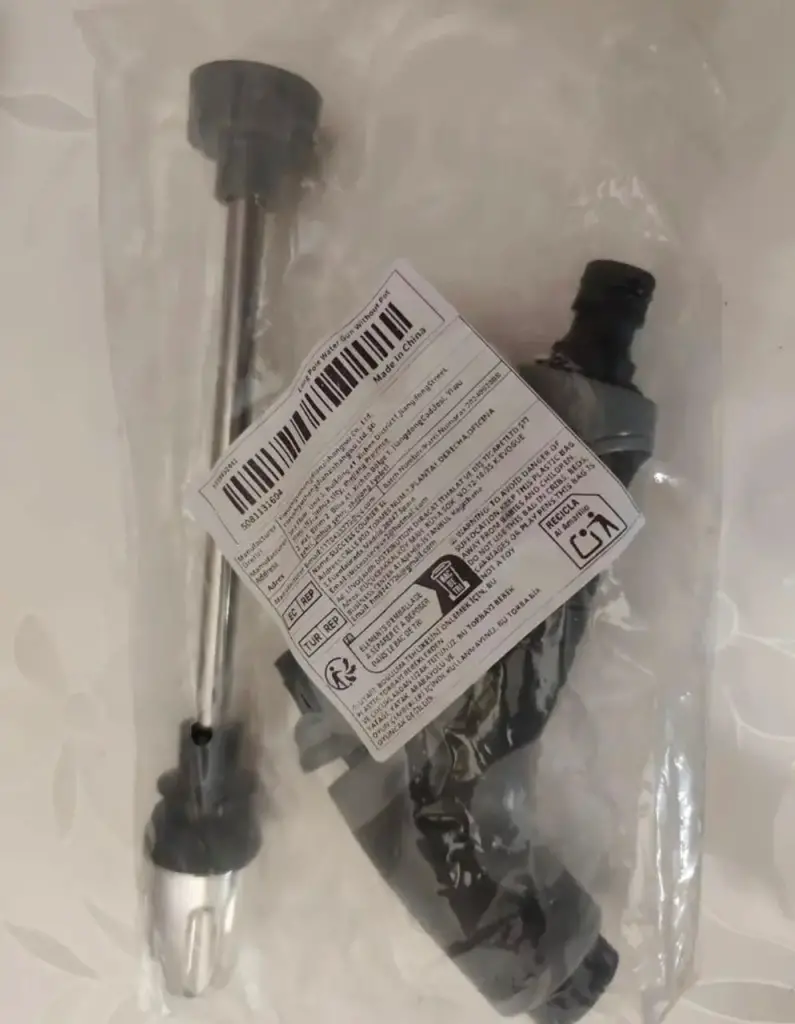
What Is the Qinux Aquoxis?
The Qinux Aquoxis is marketed as a portable pressure washer alternative—a compact, lightweight tool designed to give you strong cleaning power without the size or complexity of a traditional pressure washer. It’s typically sold as a hose attachment, sometimes bundled with different spray heads, and advertised for cleaning cars, patios, tiles, windows, and outdoor furniture.
The key selling point is convenience: no electricity, no bulky machine, and supposedly “high-pressure” performance from a simple handheld device.
Why I Tried It
I wanted convenience. Something I could grab quickly without dragging out a full pressure washer for small cleaning jobs. The idea made sense, and the way it was presented made it seem like I wouldn’t be sacrificing much power either.
That balance is what made me try it.
My Experience Using It
Setting it up was straightforward. You attach it, turn on the water, and you’re ready. No complications, which I appreciated.
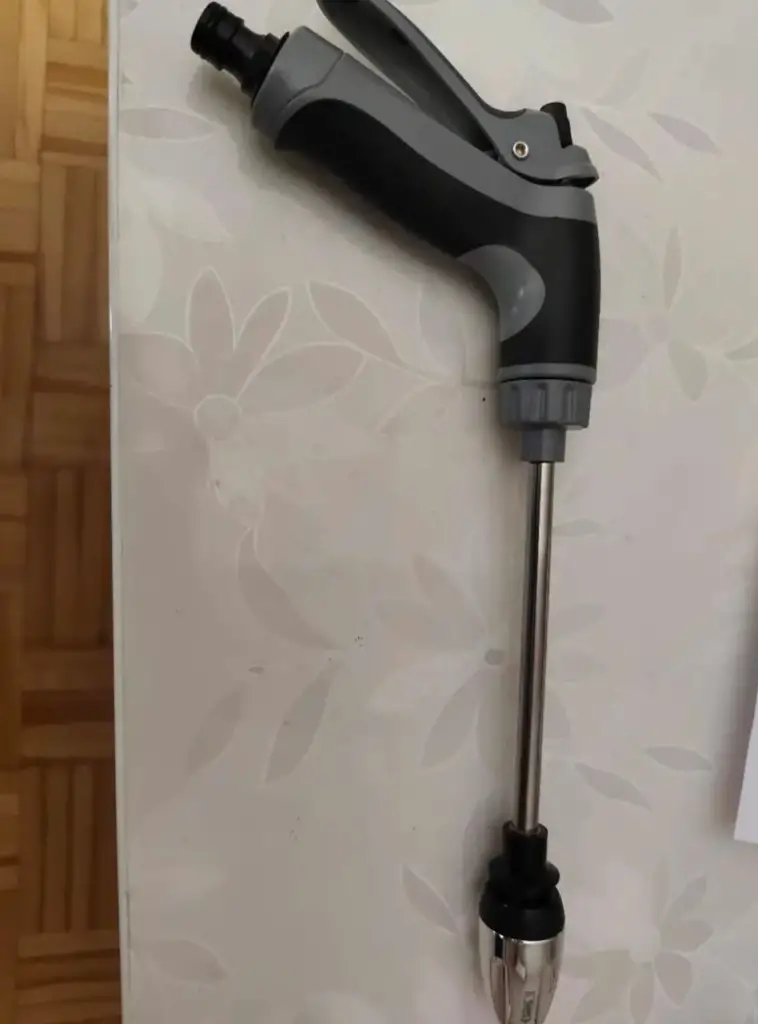
At first, the spray actually looks promising. It’s narrow and controlled, and it comes out with enough speed to make you think it might have some real force behind it. But that first impression fades pretty quickly.
I started with something simple… rinsing a car. For that, it works. It spreads water evenly and handles basic washing without any issues. If all you need is a rinse, it does the job.
Then I moved to slightly dirtier surfaces, and that’s where things started to shift.
On tiles with visible dirt buildup, the water hits the surface but doesn’t really lift anything. It just wets it. I found myself going over the same spots multiple times, expecting the pressure to eventually break through the grime, but it never really did.
At some point, I had to step in and scrub manually.
I tried a few more surfaces just to be sure:
- Outdoor flooring with embedded dirt — struggled to make a difference
- Car tires — needed scrubbing anyway
- Windows — worked fine
- Plastic chairs — decent rinse, nothing more
Another thing I noticed was how much distance affects performance. From afar, it feels like a regular hose. Up close, it’s slightly stronger, but still not enough to handle anything stubborn.
What stood out most was that it never completely failed, but it also never impressed. It sits in that frustrating middle ground where it works just enough not to be useless, but not enough to replace anything meaningful.
And once that becomes clear, the “pressure washer alternative” claim starts to feel very overstated.
Pros & Cons
Pros
- Easy to set up and use
- Lightweight and portable
- Works for basic rinsing
- No electricity needed
Cons
- Doesn’t actually increase pressure
- Struggles with stubborn dirt
- Feels more basic than advertised
- Overpriced for its performance
- Similar products exist for less
Build Quality & Durability
In hand, it feels like a slightly upgraded garden hose nozzle.
It’s lightweight, with a mix of plastic and a metal tip at the front. The metal part gives it a bit of a polished look, but the overall construction still feels fairly basic.
There’s no real weight or structure to suggest durability over time, and nothing about it feels like it’s built to handle heavy-duty use.
It’s not fragile, but it doesn’t exactly feel long-lasting either.
Product Claims vs. Reality
The biggest issue here is how it’s described versus how it actually performs.
There’s no internal system creating pressure, no motor, no pump, no compression. All it does is narrow the water stream, which can make the spray look stronger, but doesn’t increase the actual force.
So while it may feel slightly more controlled than a regular hose, it doesn’t deliver the kind of cleaning power you’d expect from something positioned as a pressure washer alternative.
Is It a Scam?
Not exactly.
You do receive a working product, and it performs as a spray nozzle should.
But the issue is the gap between expectation and reality. When something is marketed as a powerful cleaning tool but performs like a basic attachment, it’s understandable why people feel misled.
The Dropshipping Pattern I Suspect
After using it, I got curious and looked around, and I kept seeing very similar versions of this exact tool being sold under different names.
Same design, same structure, just different branding and pricing.
That doesn’t automatically mean anything is wrong, but it does suggest this isn’t a uniquely engineered product. It feels more like a mass-produced item that’s been rebranded and marketed in a way that makes it seem more advanced than it is.
When you combine that with heavy discounts, urgency tactics, and highly polished ads, it starts to follow a pattern that’s hard to ignore.
How to Use
Attach it to your hose, turn on the water, and use it like a controlled spray nozzle.
That’s the most realistic expectation.
Alternatives to Consider
- Kärcher K2 Electric Pressure Washer
- Sun Joe SPX3000 Electric Pressure Washer
Conclusion: Would I Recommend It?
I don’t think the Qinux Aquoxis is a bad product. It just doesn’t live up to how it’s presented.
Once you strip away the marketing, it’s a very basic tool that works for light tasks but doesn’t offer anything beyond that. And considering the price, that’s where it starts to feel questionable.
Would I recommend it?
Not really. Unless you go in fully aware that you’re essentially buying a dressed-up hose nozzle—not a pressure washer.
Also read my similar review on the Jetflux Pressure Washer