

Hair loss, thinning edges, and lackluster growth are common concerns, and the market is flooded with serums, oils, and “science-backed” formulas promising dramatic results. Sick Science Hair Serum is one such product gaining traction online with bold claims like stimulating hair growth, reviving dormant follicles, and transforming thinning hair into thick, full strands.
In this review, I’ll break down what Sick Science Hair Serum claims, how (and whether) its ingredients actually support hair growth, the major red flags in its marketing, what real users report, and ultimately whether this product is worth using or best avoided.
Key Takeaways
- Sick Science Hair Serum is marketed as a hair growth and rejuvenation serum designed to strengthen strands, reduce shedding, and encourage fuller hair.
- The product typically contains botanical extracts, oils, and hair-nutrient ingredients suggested to support scalp health.
- There is no strong clinical evidence proving the specific formula reliably stimulates new hair growth in most users.
- Marketing language often overstates benefits and implies scientific validation that isn’t verifiable.
- User feedback is mixed, with many noting minimal change beyond initial conditioning effects.
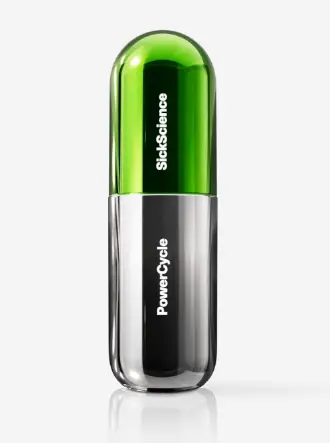
What Sick Science Hair Serum Claims & How It’s Supposed to Work
Sick Science Hair Serum is presented as a topical treatment for weak, thinning, or damaged hair. According to its promotional material, the serum works by:
- Nourishing and strengthening hair at the follicle level
- Supporting scalp health with vitamins and botanical extracts
- Reducing hair shedding and breakage
- Encouraging growth of thicker, fuller strands
- Restoring shine and resilience
The narrative tends toward science-flavored language (“advanced botanical matrix,” “follicle activation,” “nutrient delivery system”) to suggest a mechanism that goes beyond typical conditioner or oil serums.
However, what sounds technical in marketing is often not the same as clinically demonstrated effectiveness, especially for hair regrowth.
Claims vs. Reality
Some ingredients commonly found in hair serums, such as biotin, caffeine, castor oil, rosemary extract, saw palmetto, and certain peptides, have been studied in various contexts for potential hair-support effects. For example:
- Biotin is essential for overall hair and nail health in people with deficiency, but supplementation doesn’t significantly enhance growth in individuals who already get enough biotin from diet.
- Caffeine and rosemary oil have shown mild hair growth stimulation in some small studies, but results vary widely, and formulations matter.
- Peptides and botanical extracts may improve scalp conditioning, but large-scale, definitive evidence that they induce new growth is lacking.
Most medically validated hair growth treatments, such as minoxidil (Rogaine) or finasteride (Propecia), have decades of research behind them and are used under medical guidance. Over-the-counter serums can sometimes improve hair appearance and scalp condition, but they seldom deliver dramatic, clinical regrowth on their own.
There is no published, peer-reviewed clinical trial showing that Sick Science Hair Serum’s specific blend produces consistent hair regrowth results.
Red Flags to Consider
Overstated Benefit Claims Without Clinical Evidence
Marketing suggests significant regrowth, thicker hair, and follicle stimulation, often without verifiable references or clinical study links on the product site. That’s a contrast to well-studied hair treatments that cite clear evidence.
“Science-y” Language with No Substance
Terms like “advanced matrix,” “follicle activation technology,” and “nutrient penetration boosters” sound technical but do not substitute for actual scientific validation.
Broad Claims Across Multiple Hair Issues
Promises of thicker hair, reduced shedding, faster growth, shine improvement, and scalp rejuvenation, all in one product, are common in the hair market, but rarely backed by specific proof for the product in question.
Lack of Transparent Ingredients & Dosing
Some hair serums list ingredients without clearly showing exact amounts or explaining how the concentrations compare to what research (if any) suggests might be effective.
Testimonial-Driven Marketing
Many positive experiences online come from testimonials that are vague or unverifiable (“my hair feels softer,” “noticed less shedding”) rather than measurable growth data.
Does Sick Science Hair Serum Really Work?
For many users, the answer is likely: it can condition and improve the feel and appearance of hair, but it probably doesn’t deliver dramatic regrowth or follicle activation.
Here’s a realistic breakdown of effects most people might experience:
Possible mild benefits:
- Improved moisture and shine
- Softer, smoother strands
- Reduced breakage due to conditioning ingredients
- Temporary improvement in hair manageability
Unlikely without strong evidence:
- New hair follicle stimulation or regrowth
- Significant reduction in hereditary hair thinning
- Dramatic reversal of balding patterns
In other words, Sick Science Hair Serum may be a useful scalp conditioner or topical nicety, but it’s not a proven hair regrowth therapy like prescription treatments or clinically validated regimens.
User Feedback & Consumer Experience
Independent reviews and user comments tend to show mixed results:
Positive notes often include:
- Hair feels softer after use
- Scalp feels nourished or less dry
- Improvement in sheen and texture
Neutral or negative reports include:
- No noticeable change in hair thickness or speed of growth
- Too light or greasy depending on hair type
- No effect on shedding frequency
Overall, results are individual and many users feel the product is “nice to use” without being a hair growth solution.
Is Sick Science Hair Serum a Scam?
No, it’s not a scam in the strict sense of fraudulent delivery. People usually receive a serum that matches the product description, and many of the ingredients do have legitimate cosmetic benefits.
However, the product does fall into the category of overhyped marketing when it implies strong hair regrowth results without clinical support. That’s not illegal in many supplement markets, but it does create unrealistic expectations.
So while Sick Science Hair Serum is not a scam, its effectiveness claims exceed what is realistically supported by evidence.
Safety & Usage Considerations
Topical hair serums are generally safe for most people, but:
- Patch test first if you have sensitive skin or scalp.
- Avoid use if you have open wounds, active scalp infections, or severe dermatitis without checking with a dermatologist.
- Be cautious if the product contains silicones or heavy oils that may build up on scalp over time.
If you’re experiencing significant hair loss or thinning, a professional evaluation (dermatologist or trichologist) is recommended.
Conclusion
Sick Science Hair Serum can be a pleasant-feeling conditioning product that may improve hair texture and shine. But its marketing, suggesting science-backed regrowth, follicle activation, or dramatic reversal of hair thinning, is not substantiated by credible clinical evidence.
Verdict: Good for cosmetic and conditioning effects, but not a proven solution for hair regrowth or significant hair loss reversal.
Also read – Petitionm.com Review: Legit or Scam Online Store? Find Out!