

If you’ve ever suffered from the constant ringing, buzzing, or hissing in your ears, and felt helpless watching your peace of mind slip, a supplement like Sonus Zen promising a “natural tinnitus fix” can seem almost miraculous. With emotionally charged ads, claims of restored hearing clarity and freedom from noise, who wouldn’t want to believe it works?
In this review, I examine what Sonus Zen claims, what the science and public reports say, where the red flags are glaring, and whether this product deserves a place on your shelf or a pass altogether.
Key Takeaways
- Sonus Zen markets itself as a dietary supplement aimed at reducing tinnitus symptoms, improving ear health and supporting auditory nerve function.
- There is no credible, independent clinical or peer-reviewed evidence demonstrating that Sonus Zen, or any supplement of this type, reliably cures tinnitus. Multiple watchdog reviews classify it among “tinnitus-cure scams.”
- Complaints and user feedback are mixed, some people report mild relief or improved sleep, but a large portion report no change at all, even after months of use, leading to disappointment or financial waste.
- Marketing for Sonus Zen shows multiple red flags: fake-looking celebrity endorsements, “deep-fake” style sales videos, unverifiable testimonials, aggressive upsells, and lack of transparent ingredient validation or regulatory backing.
- At best, Sonus Zen might provide placebo-level comfort or slight symptomatic relief for a minority, but it should not be treated as a cure, medical treatment, or reliable long-term solution for tinnitus or hearing problems.
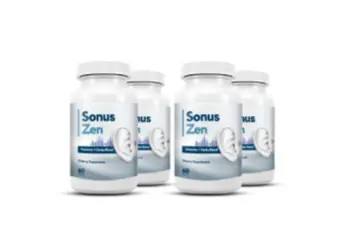
What Sonus Zen Is & How It Claims to Work
According to its own website, Sonus Zen is a “natural auditory health supplement” composed of herbs, vitamins, and nutrients that purportedly:
- Support healthy auditory nerve function and micro-circulation in the ear and brain, allegedly helping reduce ringing or buzzing associated with tinnitus.
- Reduce inflammation and oxidative stress in the auditory system, factors sometimes claimed to worsen or trigger tinnitus in marketing narratives.
- Promote overall ear and brain health, nerve protection, and mental calm, the idea is that by “strengthening the system,” the ringing or noise may diminish over time.
The sales page also often promises improved sleep, mental clarity, and relief from hearing-related stress, essentially presenting Sonus Zen as a holistic remedy for both tinnitus and the fatigue/anxiety it causes.
Claims vs. Reality
What’s believable (in theory):
- Some ingredients commonly used in “ear-health” supplements, like antioxidants, vascular-support nutrients, and herbs like Ginkgo Biloba, may offer minimal support for general circulation or nerve health. In some people with mild, stress- or circulation-related noise, modest symptomatic relief may occur.
- If tinnitus is caused or worsened by lifestyle factors (stress, poor vascular health, oxidative stress), addressing overall health might indirectly ease perception of auditory problems.
What is almost certainly over-promised:
- The bold implication that a pill can “reverse tinnitus,” restore lost hearing, or eliminate chronic ringing for most users… There is no credible scientific study or clinical trial to support such claims. As explained by leading tinnitus-research organizations, no supplement has proven effective in curing tinnitus so far.
- Marketing’s implied “safe, natural, no risks, rapid relief” message, without regulation, transparent lab testing, or mandatory oversight, safety and efficacy remain unverified.
Red Flags to Consider
Fake Endorsements & Misleading Testimonials
Sonus Zen’s marketing uses celebrity-style clips, sensational “success stories,” and emotional appeals, but multiple independent analyses identify these as deep-fake or heavily fabricated. There is no link to real doctors, reputable institutions, or verifiable users.
Lack of Transparency & No Regulatory Approval
There is no publicly available, third-party lab test or peer-reviewed data for Sonus Zen. The product is not reviewed or approved by regulatory bodies for tinnitus treatment, yet it claims to address hearing health and auditory nerve function. That mismatch is a classic sign of a supplement marketed beyond its legitimate scope.
Wide Variation in Results – Many Report Zero Benefit
Independent user-feedback investigations show strong polarization: some claim modest relief or placebo-level improvement, but many report no change, wasted time and money, or difficulty obtaining refunds even when the product “did nothing.” 
Wide Variation in Results — Many Report Zero Benefit
Tinnitus often has various underlying causes (hearing damage, auditory nerve issues, vascular problems, ear wax, stress, noise exposure, etc.). Relying on a supplement like Sonus Zen may delay proper diagnosis and effective treatments (e.g. audiologist evaluation, noise-masking therapy, hearing aids, medical management). This risk is especially concerning in chronic or severe tinnitus cases. 
Aggressive Sales Funnels & Hidden Costs
Sonus Zen appears sold only through its own website, often via high-pressure marketing tactics: time-limited discounts, multi-bottle “deals,” “60-day guarantees” that are reportedly difficult to claim. Payment is sometimes processed via third-party firms, which complicates chargebacks or refund requests. 
Does Sonus Zen Really Work?
Highly unlikely… at least not reliably.
Sonus Zen may bring marginal or placebo-like relief for a small minority, especially those with very mild, non-structural tinnitus, or those whose symptoms are partially linked to stress, circulation, or general health. But for the majority, especially chronic tinnitus sufferers with long-standing hearing damage, nerve issues, or structural ear problems, there’s no credible evidence that Sonus Zen will “cure” their condition, significantly reduce ringing long-term, or restore hearing.
If you try it: treat it as experimental, not curative; go in with low expectations; and don’t let it replace real medical evaluation.
What to Do If You’re Considering or Already Using It
- Approach with caution — verify all claims skeptical, ignore marketing hype.
- If you try it, track your symptoms carefully for several months (ringing intensity, sleep, hearing clarity), but don’t expect dramatic results.
- Avoid combining with other unverified supplements — risk of unexpected interactions or masking of side effects.
- If tinnitus is persistent, severe, or worsening — see an audiologist or ENT. Supplements might offer no benefit, but early medical evaluation might uncover treatable causes (wax buildup, ear damage, hearing loss, vascular issues).
- Read refund/return fine print carefully; document orders, receipts, and delivery in case you need to request a refund.
Conclusion
Sonus Zen is emblematic of a troubling trend: supplements promising cures for complex medical conditions, marketed via emotional, highly-produced ads filled with fake testimonials and dubious “clinical claims.” For tinnitus, a condition with no known universal cure, these promises are especially dangerous, they prey on desperation and hope.
Based on the available evidence and independent investigations: Sonus Zen is far more likely to disappoint than to deliver meaningful relief. If you care about your hearing and health, you’re better off seeking proven medical or therapeutic support rather than chasing a “miracle supplement.”
Verdict: Avoid or treat as a low-expectation gamble, not a legitimate solution.
Also read – Winstack.net Review: Scam Crypto Gaming Platform!