

Can VisiFlora really improve your vision by “fixing your gut”, or is this another supplement stretching a trendy concept too far?
Eye health supplements are nothing new… lutein, vitamin A, bilberry… we’ve seen it all. But VisiFlora takes a different angle, claiming your vision problems actually start in your gut. That sounds interesting, but also raises questions.
In this review, we’ll break down what VisiFlora actually is, how it claims to work, and whether this “gut–eye connection” is real science or just clever marketing.
Key Takeaways
- VisiFlora is a vision support supplement with 20+ ingredients.
- It claims to improve vision by targeting the “gut–eye connection.”
- Contains common eye nutrients like lutein, zeaxanthin, vitamin A, bilberry.
- There are no clinical trials on VisiFlora as a product.
- Claims about fixing vision through gut health are theoretical, not strongly proven.
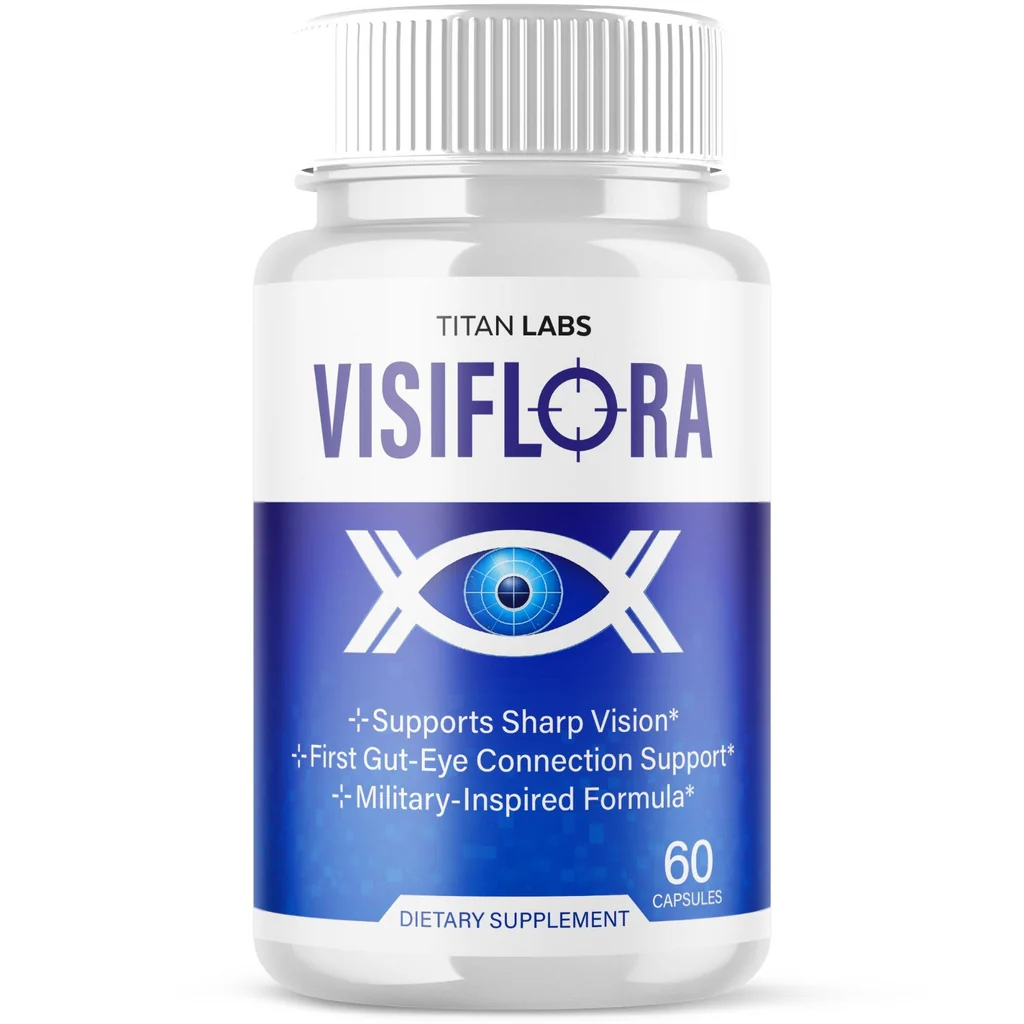
What is VisiFlora Supplement?
VisiFlora is a daily dietary supplement marketed for eye health, visual clarity, and long-term vision support, combining antioxidants, vitamins, and plant extracts with additional compounds said to support gut health.
It’s typically sold online (not in pharmacies) and positioned as a “22-in-1” formula targeting:
- retina and macula health
- eye strain and fatigue
- night vision
- internal inflammation linked to gut imbalance
How It Claims to Work
VisiFlora’s main angle is the “gut–eye axis”. The idea is:
- gut imbalance → toxins/inflammation → affects eyes
- fix the gut → improve vision
So it claims to:
- strengthen the gut barrier
- reduce inflammation
- deliver nutrients to the eyes
- improve clarity, focus, and night vision
Reality Check
This is where things get… stretched.
What’s true:
- Nutrients like lutein and zeaxanthin do support eye health
- Antioxidants can help protect against oxidative stress
- Gut health does influence overall inflammation
What’s NOT strongly proven:
- That fixing gut health will directly improve vision
- That supplements can significantly enhance eyesight
- That this specific combination produces measurable results
There are no clinical trials on VisiFlora itself, only general ingredient research.
Red Flags to Consider
No product-specific clinical studies
All benefits are based on ingredient theory… not tested as a formula.
Trend-based marketing (“gut–eye connection”)
This is a real concept, but still emerging, not a proven treatment pathway.
Multiple “official websites”
There are several near-identical sites selling VisiFlora… classic funnel behavior.
Overextended claims
Vision clarity, night vision, eye strain, inflammation, gut health… all in one product.
High review claims on sales pages
Ratings like “5.0 with thousands of reviews” appear only on brand-controlled pages.
Online-only availability
Not sold through trusted retail or pharmacy channels.
Does It Really Work?
Realistically:
It may:
- support general eye nutrition
- help with mild eye fatigue
- provide antioxidant benefits
It will NOT:
- restore vision significantly
- replace glasses or medical treatment
- reverse eye conditions
From user patterns (typical for this category):
- some report less eye strain
- many report no major changes
- results are slow and inconsistent
Pricing
- typically around $49 per bottle (discounted)
- bundle deals (3–6 bottles)
- “limited-time” pricing used frequently
Alternatives
For actual eye health:
- regular eye exams
- screen breaks + blue light management
- balanced diet (leafy greens, omega-3s)
For supplements:
- simpler, well-dosed eye vitamins (with fewer claims)
What To Do If Scammed
- check for subscription charges
- cancel immediately if enrolled
- contact support for refunds
- dispute with your bank if needed
Conclusion
VisiFlora is built on a mix of legitimate ingredients and a trendy concept, but the way it’s presented goes beyond what the science currently supports.
The “gut–eye connection” sounds advanced, but right now, it’s more theory than proven solution. So while the supplement may offer basic nutritional support, it’s unlikely to deliver the kind of vision improvement being implied.
Overall: Not the worst formula, but definitely over-marketed, and the expectations being set are much higher than the evidence supports.
Also read – Is Cheerble Cat Fountain Worth It? Here’s My Honest Review