

Sweet Restore Glycogen Support is one such product being marketed with language that suggests it can replenish glycogen, boost energy, and enhance recovery. Since glycogen really is a real thing athletes talk about, it’s easy to take these claims at face value, but it’s also important to look at what the science actually supports.
This review breaks down what Sweet Restore Glycogen Support actually is, what it claims to do, whether there’s credible scientific evidence behind those claims, what my investigation reveals about its marketing, major red flags, realistic alternatives grounded in proven science, and what to do if you’ve already purchased it.
Key Takeaways
- Sweet Restore Glycogen Support is marketed as a supplement to support glycogen replenishment, energy, and recovery.
- There is no strong clinical evidence that this specific product reliably boosts glycogen or dramatically enhances performance or energy in most people.
- Ingredients marketed for “glycogen support” often show limited or modest effects in controlled research and only in specific athletic contexts.
- The product’s marketing tends to overstate outcomes rather than present transparent evidence.
- Effective recovery and energy support are best achieved through diet, proper training, and lifestyle habits.
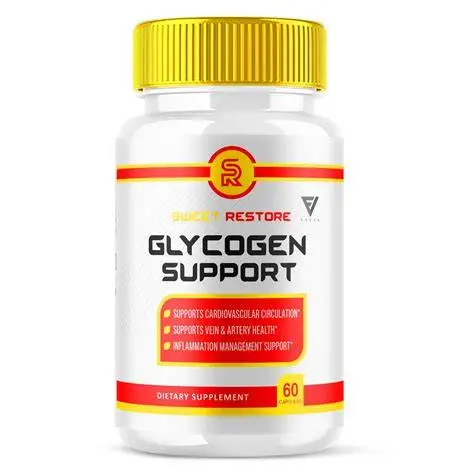
What Is the Sweet Restore Glycogen Support?
Sweet Restore Glycogen Support is a dietary supplement that claims to help the body refuel glycogen stores after exercise or support metabolic energy balance. It’s typically sold online through direct-to-consumer landing pages with bold language about energetic support and recovery enhancement.
Like all dietary supplements, it is regulated as a food product and does not require government approval for effectiveness before being marketed.
What It Claims to Do
According to its promotional materials, Sweet Restore Glycogen Support can:
- Promote faster glycogen replenishment
- Support sustained energy and performance
- Reduce muscle fatigue and recovery time
- Help athletes maintain higher intensity training
- Support metabolic processes tied to carbohydrate use
Some versions of the marketing imply that the product can enhance overall energy even outside of athletic contexts, or provide a metabolic advantage without diet or training adjustments.
Does It Really Work?
Short answer: Not in the dramatic way the marketing suggests.
Here’s the nuance based on current science:
- Glycogen is real: The body stores glucose as glycogen in muscle and liver, and that glycogen is what fuels moderate to high-intensity exercise. Refilling glycogen stores after prolonged activity does help recovery and subsequent performance.
- Nutrition drives glycogen refilling: Eating carbohydrates shortly after exercise is the primary way to replenish muscle glycogen. In athletic performance research, carbohydrate intake (e.g., glucose, maltodextrin) with or without protein is effective at restoring glycogen.
- Supplement ingredients sometimes used: Products marketed for “glycogen support” might include specific carbohydrates, amino acids, or botanical extracts, but the evidence for those outside of proper carbohydrate feeding is limited.
- No product-specific clinical evidence: There are no published peer-reviewed trials showing that Sweet Restore Glycogen Support as a formula reliably enhances glycogen restoration or performance beyond what a well-timed meal or sports nutrition strategy does.
- Effects are context-dependent: Most reported positive outcomes in research apply to trained athletes consuming significant carbohydrates post-exercise — not to casual users taking a supplement alone.
In other words, diet and training matter far more than any specific “glycogen support” supplement that lacks targeted clinical backing.
Red Flags to Consider
No Product-Specific Clinical Evidence
There are no published peer-reviewed trials showing that Sweet Restore Glycogen Support improves glycogen storage, recovery rates, or energy in humans.
Overstated Athletic Performance Claims
Statements implying dramatic performance boosts or next-day readiness without clear context are broad and unsupported by controlled data.
Vague Ingredient Transparency
If doses and standardized forms aren’t clearly disclosed, it’s impossible to judge whether the product matches what research might support.
Marketing Buzzwords
Phrases like “glycogen reset” and “miracle recovery” are persuasive but not clear scientific endpoints.
Testimonials Instead of Evidence
User quotes on sales pages are anecdotal and do not replace rigorous clinical evidence.
Alternatives
For real glycogen replenishment, energy, and recovery, evidence supports the following:
- Post-exercise Carbohydrates: Eating carbohydrates (e.g., rice, pasta, fruit, sports drinks) within 30–60 minutes after prolonged exercise helps refill glycogen.
- Carbohydrate + Protein Combination: Combining carbs with protein (e.g., chocolate milk, yogurt + fruit, protein shake + banana) supports both glycogen restoration and muscle repair.
- Hydration: Adequate fluids and electrolytes help nutrient delivery and recovery.
- Sleep: Quality sleep plays a huge role in energy normalization and recovery.
- Planned Training and Periodization: Well-structured training and rest cycles reduce fatigue and improve performance over time.
These strategies are backed by substantial research in sports nutrition and exercise science.
If You Already Bought It
If you’ve already purchased Sweet Restore Glycogen Support and are unsure what to do next:
- Check the refund/return policy on the seller’s website and act within the allowed timeframe if it didn’t meet your expectations.
- Document your purchase and marketing claims in case you need to file a dispute.
- Be cautious of auto-renewal charges or subscription plans if they were added at checkout without clear consent.
- If you decide to use the supplement, treat it as a general wellness item and manage expectations… it is not a guaranteed performance or recovery shortcut.
- For serious athletic goals, pair your approach with evidence-based nutrition and training rather than relying on a standalone supplement.
Conclusion
Sweet Restore Glycogen Support is marketed as an advanced formula for replenishing glycogen, boosting energy, and enhancing recovery. However, there’s no strong clinical evidence that this product itself reliably delivers those outcomes. While glycogen restoration is a real and important process for athletes, it’s best supported through well-timed carbohydrate intake, balanced nutrition, hydration, and proper training, not by unverified drops or capsules. Supplements may play a small role in context, but they are not replacements for fundamentals.
Also read – I Tried the Sumoria Scrubber: Is It Actually Worth It?