

I almost added a Ceylon cinnamon supplement to my routine without thinking too much about it. It’s one of those things you see everywhere, good for blood sugar, metabolism, heart health… just sprinkle it into your routine and move on.
But something about how aggressively it’s marketed made me pause. So instead of just buying it, I actually looked into it, and that’s where things started to feel less straightforward.
Key Takeaways
- I went in thinking this was a simple, “safe” daily supplement, but it’s not as straightforward as it sounds
- I noticed a lot of Amazon listings blur the line between Ceylon and regular cinnamon
- The benefits are often exaggerated compared to what you realistically get
- Consistency matters, but most people don’t see dramatic results
- I realized quickly this is more of a supportive supplement, not a solution
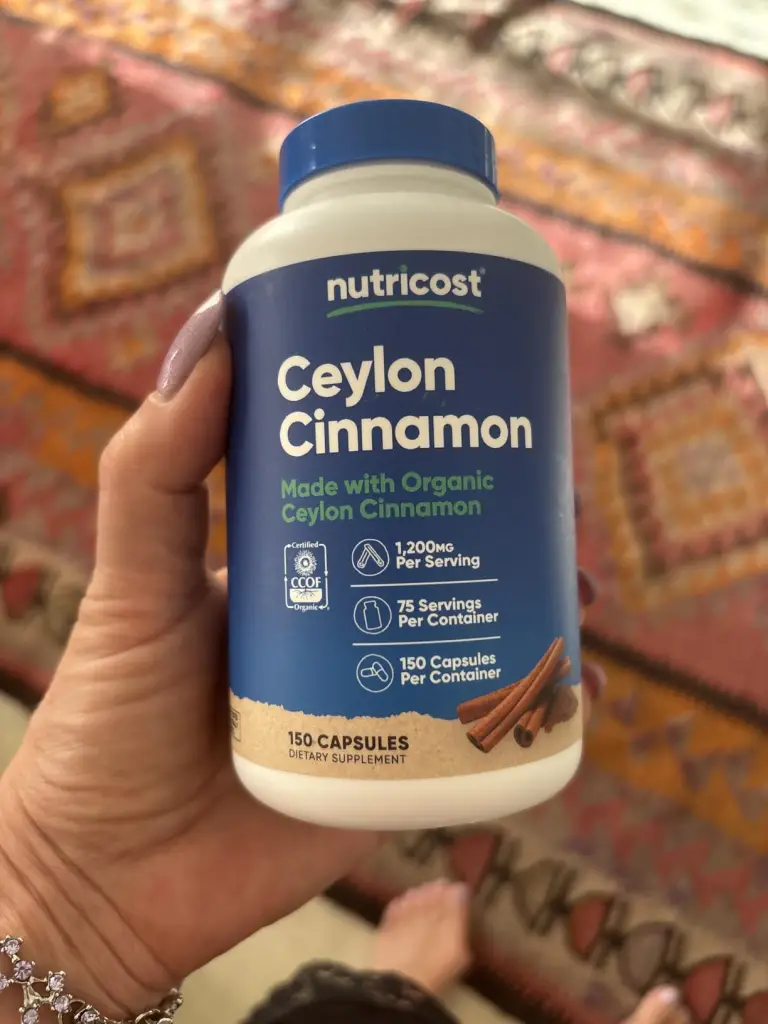
What is the Ceylon Cinnamon Supplement?
Ceylon cinnamon supplements are capsules or powders made from Cinnamomum verum, often marketed as the “true cinnamon” and positioned as a safer alternative to the more common Cassia cinnamon. They’re typically sold for blood sugar support, metabolic health, and general wellness, with dosages varying widely depending on the brand.
The key selling point is that Ceylon cinnamon contains lower levels of coumarin, a compound that can be harmful in high amounts, which is why it’s often presented as the “better” option. On Amazon especially, you’ll find dozens of nearly identical products with slightly different branding, pricing, and claims, many of which rely heavily on health promises rather than clear formulation differences.
Why I Tried It
I was mainly drawn in by the blood sugar support angle. It’s one of those claims that sounds simple and appealing… something natural that could help regulate things without needing anything intense.
It also felt low-risk. It’s “just cinnamon,” right? That’s the mindset I had going in.
My Experience Using It
The first thing that stood out wasn’t even the supplement itself… it was how confusing the options were. There are so many listings, and a lot of them look almost identical. Same claims, similar packaging, slightly different names. It made it hard to tell what was actually different and what was just branding.
When I finally settled on one, the Nutricost brand, and started taking it, there wasn’t anything noticeable right away. No immediate effect, no clear shift, just… nothing. And over time, that didn’t really change. It felt like one of those supplements where you’re supposed to trust that something is happening in the background.
I also found myself questioning consistency. Some days I’d take it, other days I’d forget, and I didn’t feel any difference either way. That made it harder to stay committed, especially since there wasn’t any feedback from my body telling me it was doing something.
What stuck with me the most, though, was how subtle everything felt. If there are benefits, they’re not obvious. And that made me rethink how it’s marketed, because the expectations being set are a lot stronger than the experience itself.
Texture, Taste & Form
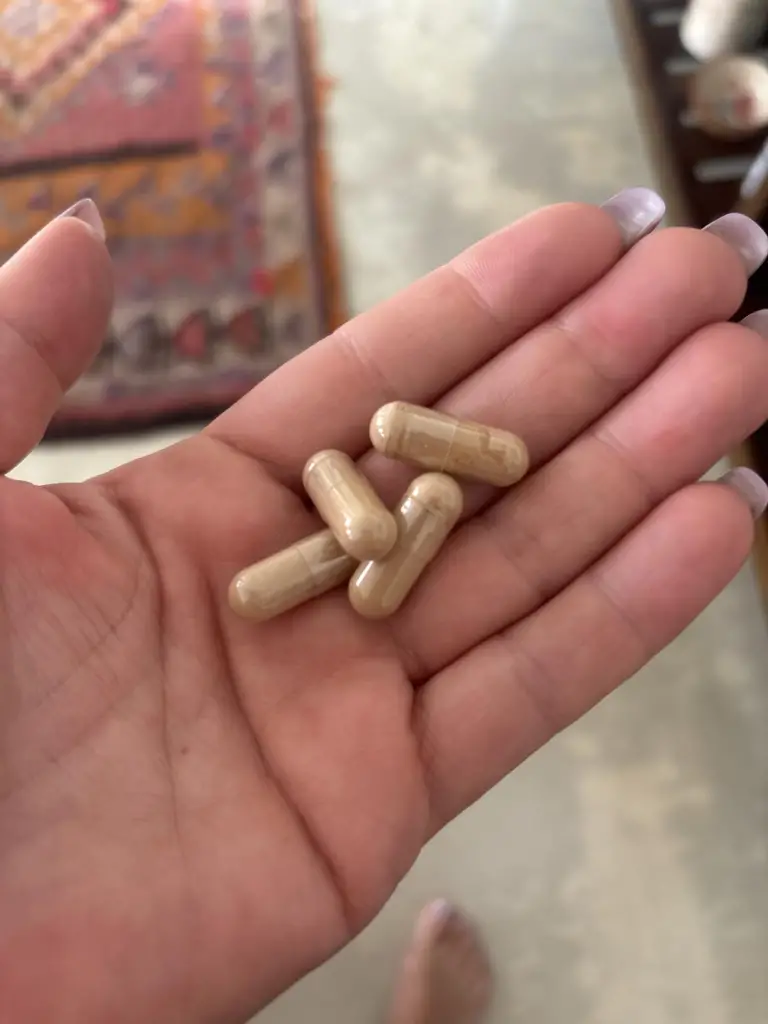
They’re easy enough to take, and there’s no strong aftertaste. Powder versions exist, but they tend to be less popular because of the strong cinnamon flavour and difficulty with consistency in dosing.
Positives (What It Actually Gets Right)
It’s easy to incorporate into your routine, especially in capsule form, and it’s generally well-tolerated. The idea behind it isn’t wrong… it can play a small supportive role in overall health. And for people who prefer natural supplements, it feels like a simple addition rather than a major commitment.
Pros & Cons
Pros
- Easy to take daily
- Backed by some research (in a limited, supportive sense)
- Generally well-tolerated
Cons
- Benefits are subtle and not easily noticeable
- Marketing often exaggerates results
- Quality and authenticity vary between brands
- Confusing product listings, especially on Amazon
- Requires consistency without clear feedback
Is It a Scam?
Not exactly, but the way it’s sold can be misleading.
The ingredient itself is real, and there is some research behind it. But the way many products are marketed, especially on Amazon, leans heavily into exaggerated expectations. There’s also the issue of labelling, where some products aren’t always as clearly differentiated between Ceylon and Cassia as they should be.
Customer Feedback
This is where things get interesting. A lot of reviews fall into two categories: people who believe it’s helping and people who feel nothing at all. There are also recurring concerns about authenticity, whether the product is truly Ceylon cinnamon, and inconsistencies between batches.
Another pattern is that many positive reviews are vague, while more critical ones tend to point out the lack of noticeable results over time.
How to Use
It’s usually taken daily in capsule form, often with meals. But realistically, it only makes sense as part of a broader routine… It’s not something that works on its own.
Alternatives to Consider
- NOW Foods Ceylon Cinnamon Capsules
- Nature’s Way Cinnamon Bark Capsules
- Solaray True Cinnamon Extract
Conclusion: Would I Recommend It?
I wouldn’t call it useless, but I also wouldn’t rely on it.
If you’re already doing everything else right and want something small to add to your routine, it can make sense. But if you’re expecting noticeable results, you’ll probably be disappointed.
For me, the biggest takeaway wasn’t the supplement itself… it was how much the marketing oversells what it can actually do.
Also read my similar review on the Juice Plus+ Fruit Capsules