

I bought the Kodak PIXPRO C1 because I kept seeing that whole “digital camera comeback” trend, and I wanted something cute, simple, and different from my phone.
It looked like the perfect mix of vintage and modern. And to be fair… it does give that vibe.
But using it made me realise something quickly… this is one of those products where the aesthetic sells it more than the performance.
Key Takeaways
- I bought it for the vintage aesthetic and that’s honestly its strongest selling point
- It’s fun and easy to use, but performance is very inconsistent
- In good lighting, it gives that “digital nostalgia” look people love
- In low light or movement… it struggles a lot
- It feels more like a lifestyle gadget than a reliable camera
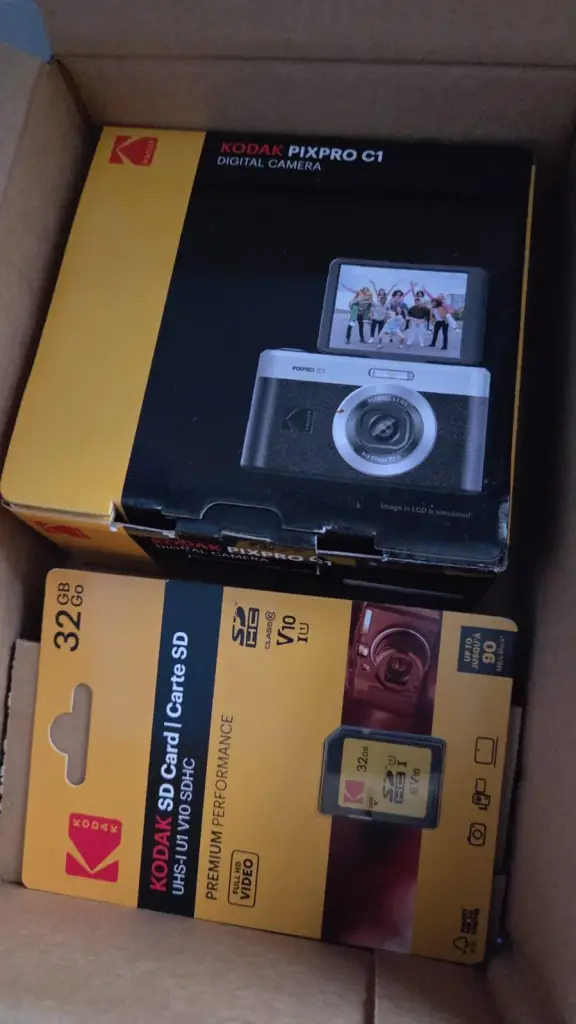
What is the Kodak PIXPRO C1 Camera?
The Kodak PIXPRO C1 is a compact, budget digital camera designed for casual photography. It has a 13MP sensor, a fixed wide-angle lens, a flip-up screen for selfies, and basic 1080p video recording.
It sits in that “under $100–$120” category, aimed more at beginners, casual users, or people chasing that nostalgic early-2000s digital camera look.
Why I Bought It
Honestly? The vibe. I wasn’t looking for a professional camera, I just wanted something:
- cute
- easy
- different from my phone
And something about having a separate camera again just felt… fun.
My Experience Using It
The first thing I noticed is how lightweight and simple it is. You can literally just turn it on and start shooting… no learning curve whatsoever.
And in good lighting, it actually delivers what I wanted.

The photos have that slightly grainy, imperfect, almost nostalgic look. Not polished, not overly sharp… just very “old digital camera” energy. That part? I genuinely liked it.
But then the limitations started showing. In lower light, the quality drops fast. Photos get noisy, soft, and sometimes just… dull. If anything is moving, there’s a noticeable delay, and you can miss moments because of shutter lag.
Even the screen can be tricky, it’s not very bright, so using it outside isn’t always smooth.
And over time, I realized I had to work around the camera:
- making sure lighting was good
- holding it extra steady
- sometimes retaking shots
It’s not effortless, the way a phone is.
Build Quality & Feel
It feels very lightweight… almost too lightweight.
Not necessarily fragile, but definitely not premium. The buttons and body give that “budget camera” feel, which makes sense for the price.
Positives (What It Actually Gets Right)
It makes photography feel intentional again.
You’re not just snapping endless photos… you’re actually choosing moments. And the imperfect quality can feel charming when it works.
Pros & Cons
Pros
- Cute, aesthetic design
- Easy to use
- Good for bright, daytime shots
- Fun “vintage digital” look
- Lightweight and portable
Cons
- Weak low-light performance
- Noticeable shutter lag
- No stabilization
- Image quality can feel inconsistent
- Often worse than a smartphone camera
Product Claims vs. Reality
It delivers on:
- portability
- simplicity
- aesthetic appeal
But in terms of image quality, it’s very average. So while it works… It’s not outperforming your phone in most situations.
Is It a Scam?
No, but it’s also not what some people expect. This isn’t a “better alternative” to your phone camera.
It’s more like a fun, aesthetic, imperfect camera, and once you see it that way, it makes more sense.
How to Use
It works best when you treat it like a daylight, casual camera.
Think:
- outdoor shots
- selfies
- lifestyle moments
Not:
- night photography
- fast-moving subjects
Alternatives to Consider
- Canon PowerShot ELPH 180
- Sony DSC-W800
- Kodak PIXPRO FZ55
- Camp Snap Camera
Conclusion: Would I Recommend It?
Yes, but only if you’re buying it for the right reason… If you want aesthetic, imperfect, nostalgic photos → you’ll enjoy it… if you want sharp, reliable, everyday performance → you’ll be frustrated.
For me, it ended up being something I use intentionally, not constantly.
And honestly? That’s kind of the point.
Also read my similar review on the Founissa Digital Camera