

Can Somnial NeuroTone actually relieve tinnitus and improve hearing health or does the science behind red-light therapy remain much more uncertain than the marketing suggests?
Living with tinnitus can be exhausting. Persistent ringing, buzzing, hissing, or ear pressure can interfere with sleep, concentration, and overall quality of life. That’s exactly why products promising a non-invasive solution often attract a lot of attention.
In this review, I dug into the claims, available research, and overall marketing to determine whether Somnial NeuroTone offers meaningful promise or whether expectations should remain more cautious.
Key Takeaways
- Somnial NeuroTone is a red-light ear device marketed for tinnitus relief rather than a supplement.
- The technology behind photobiomodulation is a legitimate area of scientific research.
- However, I could not find published clinical trials specifically evaluating Somnial NeuroTone itself.
- Many of the claims on the website appear broader than the current evidence supporting red-light therapy for tinnitus.
- Results, if they occur, are likely to vary significantly from person to person.
What Is Somnial NeuroTone?
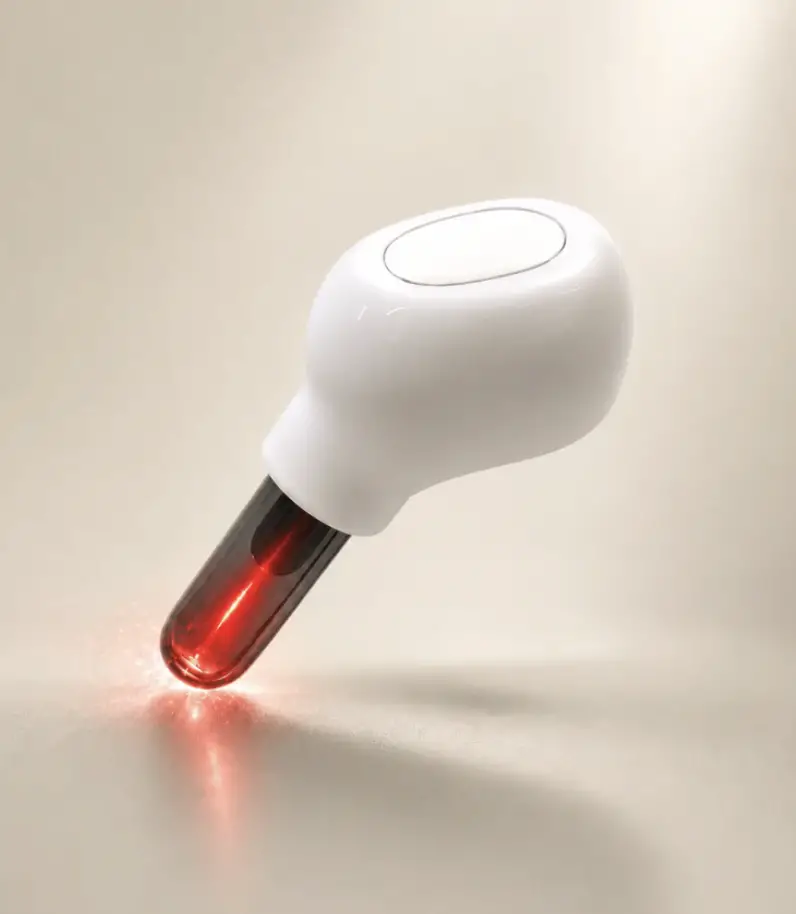
Somnial NeuroTone is an in-ear device that emits 650nm red light and is intended to be used for approximately eight minutes twice daily.
According to the company, the device works through photobiomodulation, a technique that uses low-level light to stimulate biological processes. The company states that this may help improve circulation and support inner-ear health.
When I started researching the device, one thing immediately stood out: Unlike many tinnitus products that rely on herbal supplements or “secret formulas,” Somnial NeuroTone is based on an actual scientific field.
That doesn’t automatically mean the product works, but I found the approach more interesting than many of the supplements commonly marketed to tinnitus sufferers.
At its core, Somnial NeuroTone appears to be a wellness device intended to support ear health… not a medically proven cure for tinnitus.
How It Claims to Work
According to the manufacturer, NeuroTone uses red-light photobiomodulation to stimulate circulation and support cellular repair inside the ear.
The company associates the device with potential benefits such as:
- reduced tinnitus symptoms
- improved sleep
- reduced ear pressure
- lower sound sensitivity
- support for age-related hearing changes
- improved quality of life
The overall message is appealing… Use light therapy to help your ears heal naturally.
Red Flags to Consider
The website implies a simplified explanation for tinnitus
One thing that stood out immediately was the emphasis on circulation and healing. The deeper I looked, the more I felt the marketing risked giving the impression that poor circulation is the primary cause of tinnitus.
Reality is far more complicated.
Product-specific research appears absent
During my research, I could not find published human clinical trials specifically testing Somnial NeuroTone. Most references to science appear to involve photobiomodulation research in general rather than this specific device.
Broad claims across multiple ear conditions
The device is associated with tinnitus, hearing decline, ear pressure, inflammation, sound sensitivity, and more. Whenever one product appears capable of addressing numerous conditions simultaneously, I become more cautious.
Testimonials are not clinical evidence
Many of the strongest claims come from customer stories. Those experiences may be genuine, but testimonials cannot establish effectiveness.
Expectations may exceed reality
People suffering from tinnitus are often desperate for relief. That’s understandable.
But unfortunately, tinnitus remains one of the most difficult symptoms to treat consistently, and even legitimate therapies do not work for everyone.
Does Somnial NeuroTone Really Work?
After comparing the claims with the available evidence, I think Somnial NeuroTone falls somewhere between “interesting” and “unproven.”
The concept behind red-light therapy has scientific plausibility. However, I found little evidence showing that this specific device consistently produces the broad improvements suggested by its marketing.
If benefits occur, they’re likely to be gradual and highly individual.
Pricing
Somnial NeuroTone is positioned as a premium wellness device and is sold directly through the company’s website.
As always, premium pricing should not be mistaken for strong clinical validation.
What To Do If Scammed
If you purchased Somnial NeuroTone expecting guaranteed tinnitus relief and feel the product failed to deliver what was advertised, save screenshots of the promotional claims, keep your receipts, and review the company’s refund policy as soon as possible.
Conclusion
After digging through the science and marketing, Somnial NeuroTone came across as more credible than many tinnitus supplements, but far less proven than its advertising may lead consumers to believe.
The good news is that photobiomodulation is a genuine field of scientific research.
The less exciting reality is that I found no strong evidence demonstrating that Somnial NeuroTone itself delivers the dramatic improvements implied by some of its claims.
Also read – Is VIP.Deezwin.com a Legit Crypto Exchange Site? All You Need To Know Before Trading