

I was genuinely interested in trying the Pulsetto Vagus Nerve Stimulator because the idea behind it is pretty appealing. A small device that sits around your neck and uses electrical stimulation to target the vagus nerve, with different programs controlled through an app, sounds like the kind of gadget that could fit neatly into a daily wellness routine.
What I did not appreciate nearly as much was discovering that the device comes with a premium app subscription that costs $100. That is the sort of detail I would have liked to know before spending the money on the hardware because, had the ongoing cost been made more obvious upfront, I might not have gone ahead with the purchase in the first place. And unfortunately, once I actually started using it, the app turned out to be one of the biggest problems.
Key Takeaways
- The device requires an app, with premium features tied to a costly subscription.
- The subscription cost was not obvious enough to me before purchasing.
- Pairing the device with the app was difficult and unreliable.
- The app frequently failed to recognize the device.
- The electrode contact requires a surprisingly large amount of gel.
- The gel needs to be reapplied frequently because contact can weaken within seconds.
- The device stopped working after only a few days for me.
- When it did work, the effects were negligible overall, although I did notice some calming benefits.
- Tracking and data synchronization problems made the premium features even more frustrating to use.
- For the price, I expected something considerably more polished and reliable.
- I would rather have purchased a simple TENS unit.
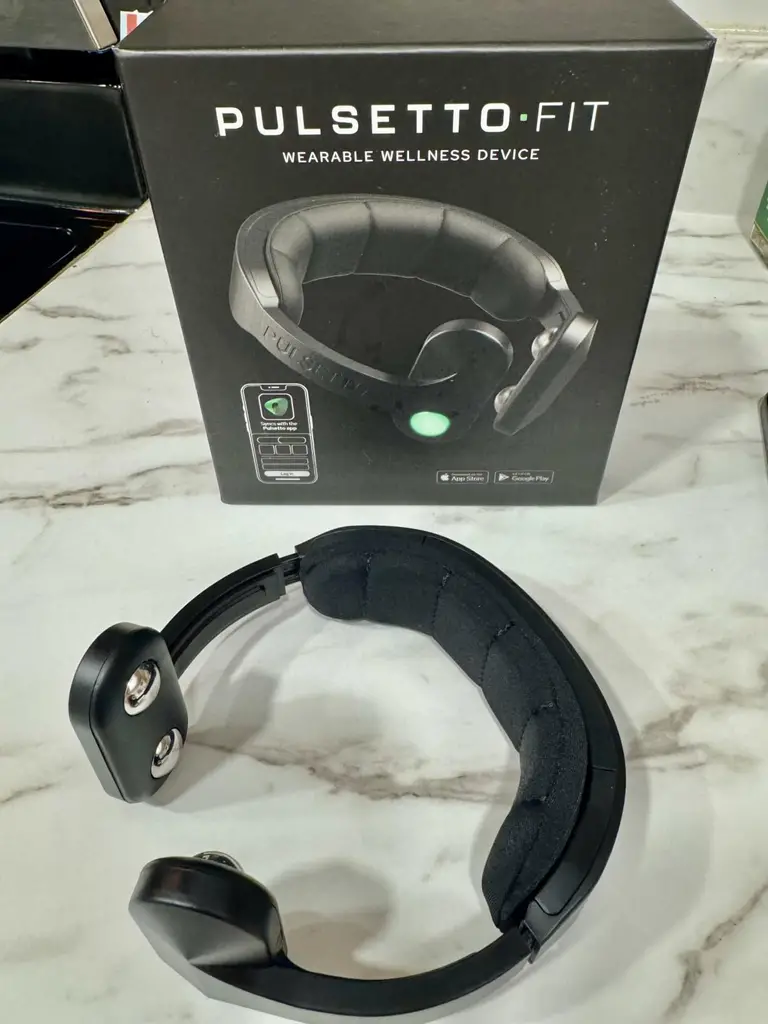
What Is the Pulsetto Vagus Nerve Stimulator?
Pulsetto is a wearable electrical stimulation device designed to be placed around the neck and controlled through a smartphone app. The company markets it as a non-invasive way to stimulate the vagus nerve and offers different programs aimed at things such as relaxation, stress management, sleep, and overall wellness.
The basic concept is interesting because vagus nerve stimulation itself is a legitimate area of medical and scientific research. Pulsetto, however, is positioned as a wellness product rather than something I would consider a replacement for medical treatment, and that distinction matters when you’re spending this much money on a gadget.
The device is only part of the equation, though. The app is an important part of the Pulsetto experience, which is where things started going downhill for me.
Why I Bought the Pulsetto
I bought the Pulsetto because I liked the idea of having something I could use at home without having to deal with a complicated setup every time. If I am going to spend that much money on a wellness gadget, I want it to be something I can pick up, connect, use, and put away without turning the whole thing into a technological side quest.
I was also curious about whether vagus nerve stimulation would actually make a noticeable difference. The concept sounded promising enough that I was willing to give it a proper try rather than dismissing it as another trendy wellness gadget.
My Experience Using the Pulsetto Vagus Nerve Stimulator
The first thing that annoyed me was the subscription situation. The device itself is already expensive, so I assumed the app would function as part of the overall purchase rather than feeling like I had bought a piece of hardware and then discovered that I needed to keep paying to get the full experience. There are free aspects to the app, but the premium subscription unlocks additional features, and the cost is $100.
That is not a small little “unlock some extra themes” subscription that I can shrug off. That is a significant amount of money, especially when you have already paid for the physical device. I really wish the subscription cost had been made much more obvious before I bought the Pulsetto because it could have changed my decision completely. If I had known upfront that I was looking at an expensive device plus a substantial ongoing app cost, I might have decided that a simpler TENS unit made more sense.
And then there was the actual app. Pairing the Pulsetto was much more difficult than I expected. There were plenty of times when the app simply would not recognise the device, which meant that something that should have been as simple as putting on the gadget and starting a session became an exercise in troubleshooting.
I would try to connect it, wait for the app, try again, and wonder whether the problem was the device, Bluetooth, the app, or Pulsetto’s servers. There is nothing particularly relaxing about spending your relaxation time trying to convince an app that the expensive device sitting around your neck actually exists.
When I could get everything connected properly, the device itself showed some promise. I did experience some calming benefits while using it, and that is probably the part of the product that kept me from completely writing it off immediately. There was enough of a sensation and enough of a subjective calming effect for me to think, “Okay, maybe there is something here.” The problem was getting to that point consistently.
The electrode contact was another major annoyance. You need a considerable amount of gel to maintain proper contact, and even after applying it, the contact could weaken within seconds. That meant reapplying gel and adjusting the device repeatedly just to maintain a usable connection. This is where the supposedly convenient wellness gadget started feeling like a messy little science experiment.
I do not mind having to use conductive gel with a device like this. What bothered me was how much I seemed to need and how frequently I had to deal with it. When the contact starts weakening almost immediately, it becomes difficult to settle into a session because part of your attention is going toward whether the device is still making proper contact.
And then, after only three days, mine stopped working! At that point, whatever potential I thought the device had became much harder to appreciate. A gadget that is already expensive, requires an app subscription, can be difficult to pair, needs a lot of gel, and then stops working after three days is not exactly making a compelling argument for itself.
The app problems did not exactly help either. The software experience felt unreliable, and there were significant issues with data synchronization and tracking. At one point, tracking data was out of sync for a prolonged period, which also interfered with access to features that were supposedly included with the premium subscription.
That was particularly frustrating because paying for premium features creates a completely different expectation. If I am already paying extra for the software, I expect the software to be one of the strongest parts of the experience, not another source of problems.
The biggest issue for me is that the results simply did not justify all of this hassle.
I did notice some calming benefits, so I cannot say the device did absolutely nothing. But the overall results were negligible enough that I would not pay what Pulsetto costs again for the experience I had.
There is also a larger question I had about the placement itself. Pulsetto is designed around stimulation at the neck, but I would have liked clearer evidence and explanation about how effectively this particular placement reaches the vagus nerve and how much of the claimed benefit can actually be attributed to vagal stimulation. The existence of research into vagus nerve stimulation does not automatically mean every consumer device using electrical stimulation at the neck will produce the same results.
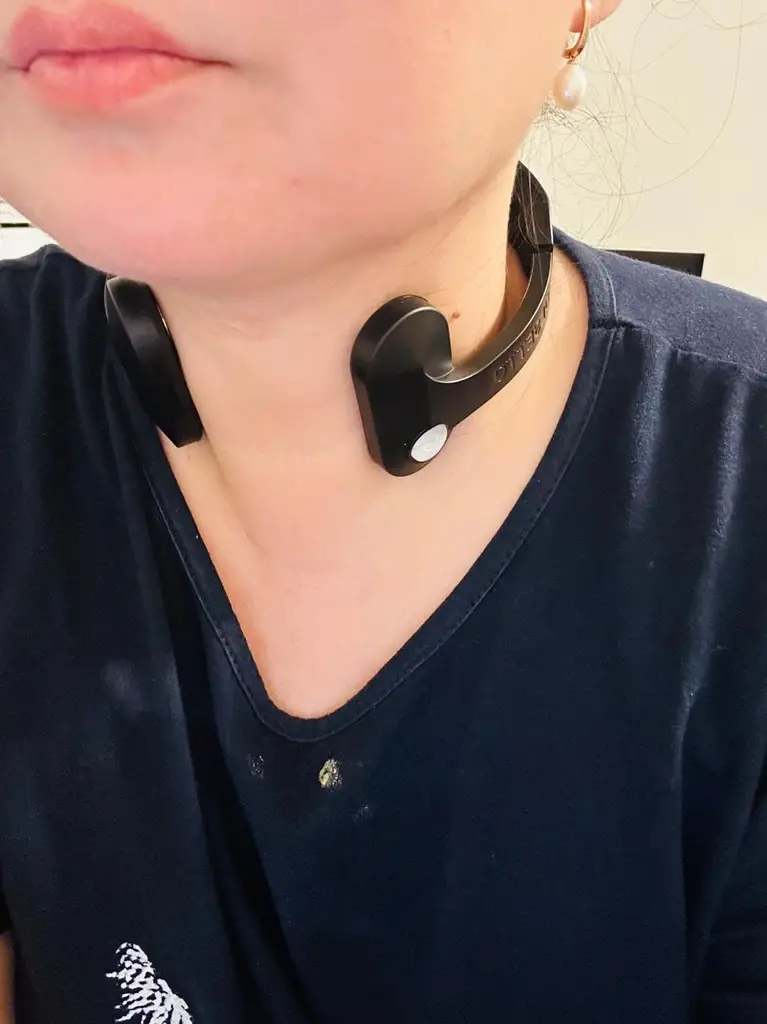
That distinction matters, especially when a company is asking consumers to spend hundreds of dollars on a wellness device and then potentially another substantial amount on the associated app.
What I Liked
There are a few things I did appreciate about the Pulsetto. The device itself is an interesting concept, and when everything actually worked, the stimulation was noticeable. I also experienced some calming benefits, which tells me that I cannot completely dismiss the idea behind the product.
The hardware is also considerably more appealing in theory than having to set up a larger piece of equipment every time you want to use electrical stimulation.
Unfortunately, those positives were outweighed by the reliability problems.
What I Didn’t Like
- The expensive premium subscription.
- The subscription cost was not obvious enough to me before purchase.
- Difficult pairing.
- Frequent failure to recognize the device.
- App bugs and unreliable operation.
- Data synchronization problems.
- Needing a lot of conductive gel.
- Contact weakening very quickly.
- The device stopping after only three days.
- Results that were too negligible for the price.
- Too much dependence on the app for something that should be simple to use.
Does Pulsetto Actually Work?
This is where my answer is a little more complicated than a simple yes or no. I did experience some calming benefits when I was able to use the device, so I would not say that my experience was completely useless. The stimulation itself was noticeable, and there were moments when I felt that it was doing something.
But “I felt somewhat calmer” is very different from saying the device delivered the broad benefits you might expect from the marketing.
My biggest problem was consistency. A wellness device needs to work reliably enough for you to actually build a routine around it. When pairing is difficult, the app does not recognize the hardware, electrode contact keeps weakening, and the device eventually stops working, it becomes almost impossible to evaluate the long-term benefits properly.
For me, the results were simply not significant enough to justify all the trouble.
Is Pulsetto Worth the Money?
For me, absolutely not. The hardware is expensive enough on its own, and the additional premium subscription makes the overall cost considerably harder to justify. I would have viewed the purchase differently if the full ongoing cost had been made completely obvious from the beginning.
Then there is the reliability issue. I can forgive a gadget for needing a little setup. I can even forgive having to use conductive gel because that is part of how this type of device works. What I cannot easily justify is paying a premium price for something that struggles to pair, frequently fails to connect, requires repeated gel application, has software and data issues, and then stops working after three days.
At that point, the product starts feeling less like a sophisticated wellness device and more like an expensive gadget that creates problems I did not have before buying it.
Pulsetto vs. a TENS Unit
One of my biggest thoughts after using Pulsetto was that I might have been better off simply buying a TENS unit.
A TENS unit is not the same thing as Pulsetto, and I am not suggesting that the two devices are interchangeable for every purpose. Pulsetto is specifically designed around its own stimulation approach and app-controlled programs.
But from a value perspective, I found myself questioning why I was paying so much for a highly app-dependent device when a basic electrical stimulation unit could provide a much simpler experience.
If what I ultimately wanted was the sensation of electrical stimulation rather than all the bells and whistles surrounding the Pulsetto ecosystem, the simpler option suddenly looked much more attractive.
Who Should Consider Pulsetto?
I think Pulsetto will appeal most to people who are specifically interested in trying a consumer vagus nerve stimulation device and are comfortable with the price, app dependency, conductive gel, and ongoing software costs.
If you are the type of person who enjoys experimenting with wellness technology and does not mind troubleshooting when something goes wrong, you may get more out of it than I did.
I would just go into it knowing exactly what you are paying for.
Who Should Skip It?
I would skip Pulsetto if you:
- Want a simple plug-and-use wellness device.
- Hate dealing with smartphone apps and Bluetooth pairing.
- Do not want an ongoing subscription.
- Expect a device at this price to be extremely reliable.
- Do not want to deal with conductive gel.
- Want obvious, substantial results.
- Are considering it primarily because you think vagus nerve stimulation automatically guarantees the benefits advertised by wellness companies.
Alternatives
- A basic TENS unit
- Other non-invasive vagus nerve stimulation devices
- Non-device relaxation methods
Conclusion
I wanted to like the Pulsetto because the underlying idea is genuinely interesting, and I cannot say that my experience was completely negative. When I managed to get the device connected and working properly, I did notice some calming benefits from the stimulation.
But the entire ownership experience was far too frustrating for me to overlook. The expensive subscription was an unpleasant surprise; the app was unreliable, pairing was difficult, and the device frequently failed to connect; maintaining electrode contact required a lot of messy gel, and mine stopped working after only three days. Even when everything cooperated, the results were not significant enough for me to feel that I had received good value for the money.
The biggest irony is that the device is supposed to be something you use to relax, yet getting it to work sometimes felt like the least relaxing part of the process.
If I could return mine, I would. And if I had to make the purchase decision again, I would seriously consider buying a much simpler TENS unit instead.
Would I buy it again?
No. The device itself has some promise, but the combination of price, subscription fees, unreliable software, messy electrode contact, and poor reliability makes it difficult for me to recommend.
Would I recommend it?
Not based on my experience. If you are still interested in trying it, I would make absolutely sure you understand the total cost of ownership, including the premium app subscription, before buying. For me, the Pulsetto ended up being too expensive, too complicated, and too unreliable for the relatively minor benefits I experienced.
Also read my similar review of the Yoga-Go App