

Skin fold rashes are one of those things nobody really talks about until they’re dealing with them. It can go from a mild annoyance to something that’s uncomfortable enough to make you rethink what clothes you wear. Walking hurts. Working out hurts. Sometimes even sitting the wrong way is irritating.
That’s what made me interested in this Intertrigo Relief Cream. It promised to soothe irritation, reduce friction, and create a protective barrier so the skin could finally calm down. It sounded exactly like what anyone dealing with intertrigo would want to hear. The question was whether it could actually deliver… or whether it was just another cream making big promises in a very crowded market.
Key Takeaways
- Helps reduce friction and keeps skin folds feeling more comfortable.
- Creates a protective barrier without feeling overly greasy.
- Works best when used consistently alongside good hygiene and keeping the area dry.
- Don’t expect it to permanently “cure” intertrigo on its own.
- Better suited for mild to moderate irritation than severe or infected rashes.
- A little goes a surprisingly long way.
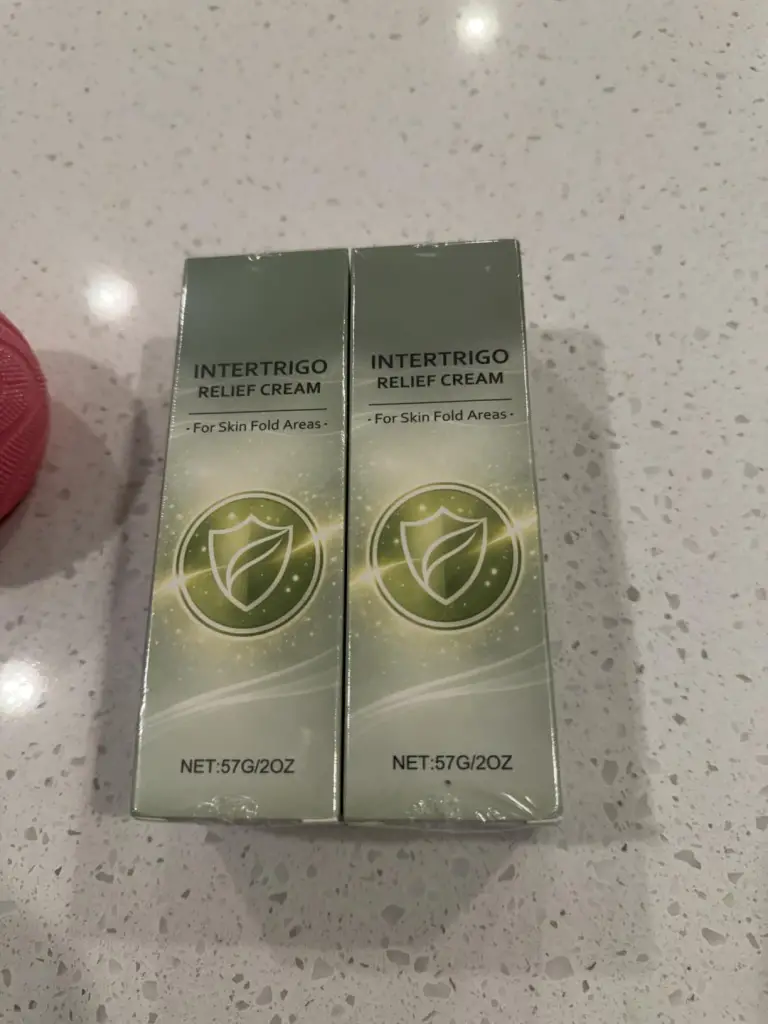
What Is the Intertrigo Relief Cream?
Intertrigo Relief Cream is designed for areas where skin rubs against skin and moisture tends to build up, such as under the breasts, around the abdomen, between the thighs, and in other skin folds.
Instead of simply moisturising the skin, the cream focuses on creating a breathable barrier that helps reduce friction while ingredients such as zinc oxide and undecylenic acid help protect irritated skin and support relief from moisture-related skin fold rashes.
Why I Bought It
After reading enough reviews and seeing this product pop up more than once, I became curious. What appealed to me wasn’t the promise of some overnight transformation. It was the idea of finally having something that could stop that constant rubbing and irritation before it became a bigger problem.
If you’ve ever dealt with intertrigo, you’ll know that sometimes the discomfort isn’t even the worst part. It’s constantly thinking about it. Every step reminds you it’s there.
I wanted something that could make me forget about it for a while. That felt like a much more realistic goal.
My Experience Using It
The first thing I noticed was the texture. I expected something thick and sticky, almost like diaper rash cream.
Instead, it spread much more easily than I expected while still leaving behind a protective layer. It didn’t completely disappear into the skin, but I don’t think it’s supposed to. Part of its job is creating a barrier, and you can actually feel that it’s there without it becoming uncomfortable.
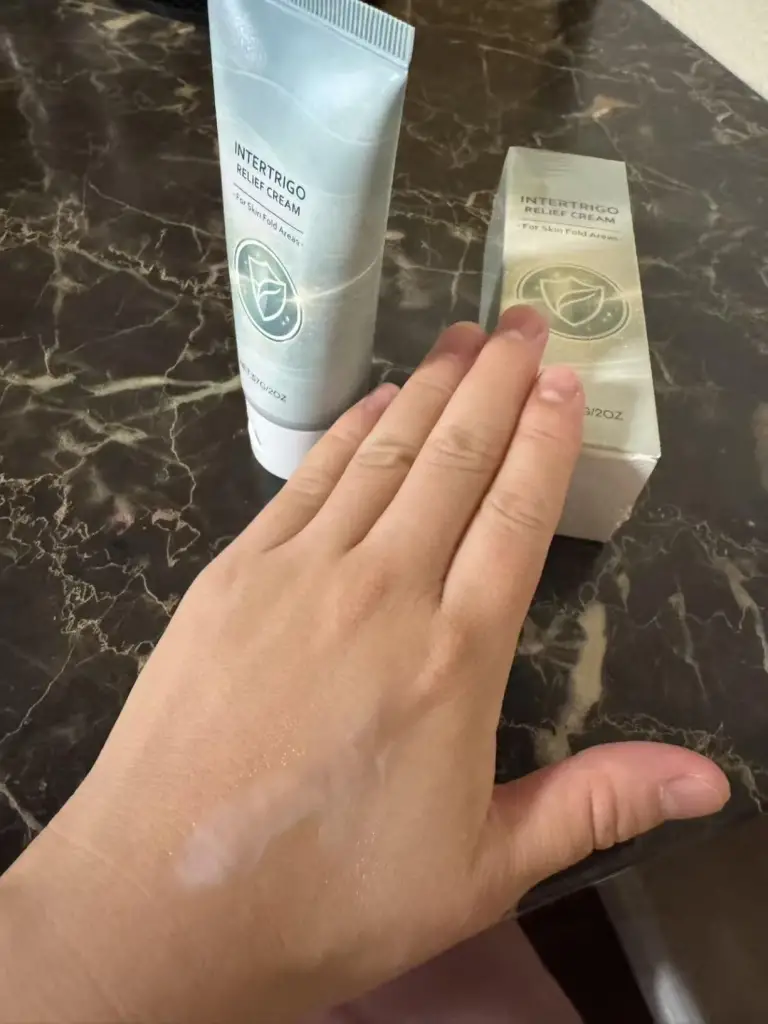
One thing I appreciated almost immediately was that it wasn’t messy.
I was half expecting greasy marks on my clothes, but once it settled, I wasn’t constantly worrying about transferring cream onto everything I touched.
Over the first few days, the biggest improvement wasn’t that the redness magically disappeared. It was that the irritated skin wasn’t getting more irritated.
That might sound like a small win, but when skin is constantly rubbing together, breaking that cycle is actually a pretty big deal. As the irritation settled down, everyday things became less noticeable. Walking felt more comfortable. Clothing rubbed less. I wasn’t constantly adjusting because something felt sore.
That’s when I realised the cream wasn’t really doing anything dramatic. It was quietly removing the little annoyances I’d gotten used to. I also liked that I didn’t need a huge amount each time. A thin layer covered the area well, so even though the tube isn’t enormous, I could see it lasting longer than I initially expected.
The only downside is that this isn’t the kind of product you use once and forget about.
Skip a few days, especially during hot weather or if you’re sweating more than usual, and you may find yourself reaching for it again. That’s not necessarily a flaw… It’s just the reality of managing a condition that’s heavily influenced by moisture and friction.
Pros & Cons
Pros
- Comfortable, protective formula.
- Helps reduce friction.
- Doesn’t feel excessively greasy.
- Easy to incorporate into a daily routine.
- A little goes a long way.
Cons
- Requires consistent use.
- Won’t solve every underlying cause of intertrigo.
- Severe or persistent cases may still need medical treatment.
Product Claims vs. Reality
The marketing makes it sound as though relief is just a tube away. The reality is a little more nuanced.
Claim: Relieves intertrigo.
Reality: I think it does a good job of reducing the discomfort caused by friction and moisture, especially if the irritation is mild or caught early.
Claim: Creates a protective barrier.
Reality: Absolutely. That was one of the first things I noticed, and I think it’s where the cream performs best.
Claim: Eliminates the problem completely.
Reality: Not quite. Keeping the area clean and dry still matters. Even the best cream can’t compensate if the underlying cause, constant moisture and friction, is still there.
Is It Worth the Price?
I think so, especially if you’re buying it to stay ahead of flare-ups rather than waiting until the irritation becomes severe.
If you’re constantly dealing with skin fold irritation, comfort becomes surprisingly valuable. Spending a little more on something that actually helps you get through the day without constantly thinking about the affected area can be worth it.
Intertrigo Relief Cream Reviews and complaints
Looking through customer feedback, one trend appeared again and again. People who were mainly looking for relief from rubbing, moisture, and everyday discomfort generally seemed happier with the product than those expecting it to completely cure persistent skin problems.
A few reviewers felt it worked well as part of a daily routine, while others were disappointed because they expected immediate or permanent results. That lines up fairly well with my own experience. It’s a product that helps manage the condition rather than making it disappear forever.
Who I Think Will Love It
This cream is a good fit if you:
- Frequently deal with skin fold irritation.
- Want a barrier cream that’s comfortable enough for everyday use.
- Need help reducing rubbing and moisture in problem areas.
- Prefer preventing flare-ups instead of reacting once they become painful.
Who Should Skip It
You may want to look elsewhere or speak with a healthcare professional if:
- The rash is severe, spreading, or appears infected.
- You’re expecting one cream to permanently solve recurring intertrigo.
- You’re looking for instant results after a single application.
Alternatives
If this cream doesn’t seem like the right fit, you could also consider:
- Zinc oxide barrier creams.
- Antifungal creams recommended by a healthcare professional if a fungal infection is involved.
- Moisture-wicking powders.
- Anti-chafing balms for friction prevention.
Conclusion
Intertrigo is frustrating enough without wasting money on products that promise the world. This cream doesn’t perform miracles, but it doesn’t need to.
What it does well is reduce friction, create a protective barrier, and make irritated skin feel more comfortable while it has a chance to recover. For me, that was enough to make it a product I’d happily keep in the cupboard, especially during warmer months when flare-ups tend to be more common.
Would I buy it again?
Yes. Mainly because it fits into a long-term routine rather than acting as a one-time fix.
Would I recommend it?
Yes, but with realistic expectations. If you’re looking for a cream that helps manage discomfort and protects irritated skin, I think it’s worth considering. Just remember that even the best cream works best when it’s paired with keeping the area as clean and dry as possible.
Also read my similar review on the Koriderm Time Reverse Cream