

NerveAlive is marketed to people dealing with tingling, burning feet, numbness, and other uncomfortable nerve symptoms. The advertising taps into a genuine problem: nerve discomfort can interfere with walking, sleeping, and everyday activities, and people experiencing it often want something that does more than temporarily mask the symptoms.
But when a supplement starts promising to calm irritated nerves, restore mobility, or repair nerve damage, I want to know exactly what is in it and whether those claims are backed by credible evidence. I also found multiple websites using the NerveAlive name, with different ingredient lists and different descriptions of what the product can do. So, is NerveAlive legit? Let’s take a closer look.
Key Takeaways
- NerveAlive has not been shown in a convincing clinical trial of the finished product to treat neuropathy or repair damaged nerves.
- Different websites using the NerveAlive name advertise different formulas, including one with five botanical ingredients and another with six nutrients such as alpha-lipoic acid, benfotiamine, and vitamin B12.
- Some ingredients have been studied for nerve-related health, but that does not establish that the complete supplement works.
- The advertised pricing can require a substantial upfront payment, with some six-bottle packages costing $294.
- I would not buy NerveAlive to treat unexplained numbness, tingling, or nerve pain. The product identity and claims need closer scrutiny, and persistent symptoms deserve proper medical evaluation.
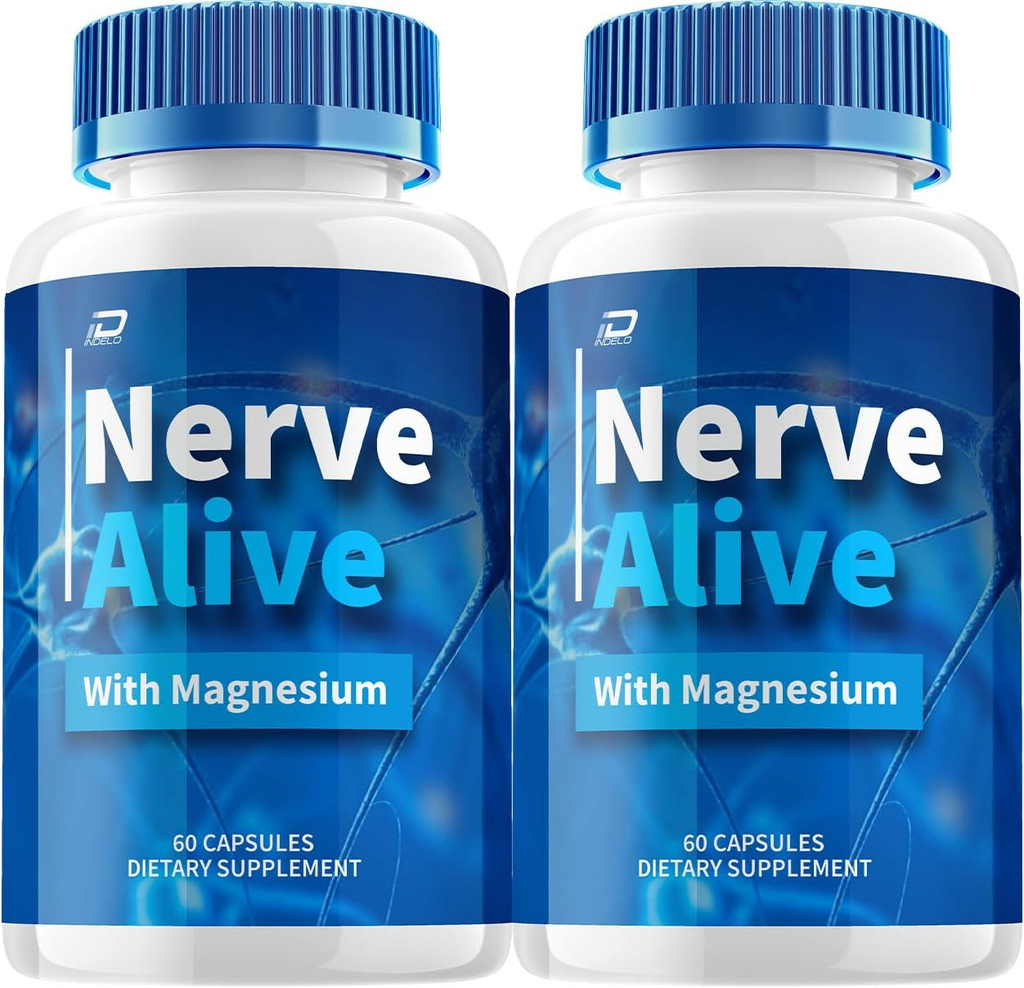
What Is NerveAlive?
NerveAlive is a name used for dietary supplements marketed to support nerve health and relieve symptoms such as tingling, burning sensations, numbness, and discomfort in the hands, feet, and legs.
The problem is that there is no single, consistent formula across all the websites I found. One version, sold through Nerve Alive’s official-looking website, lists five botanicals:
- Passion flower
- Marshmallow root
- Corydalis
- Prickly pear
- California poppy
That website lists individual amounts of 145 mg, 110 mg, 100 mg, 50 mg, and 45 mg, respectively. It promotes the formula as a way to calm overactive nerves and ease tingling and numbness.
Another website using the NerveAlive name lists six different ingredients:
- Alpha-lipoic acid
- Benfotiamine, a form of vitamin B1
- Vitamin B12
- Magnesium
- Turmeric extract
- Acetyl-L-carnitine
These are not interchangeable formulas. A buyer cannot assume that a review, ingredient study, or customer testimonial about one version applies to the other. This is why I would verify the exact website, physical bottle, and Supplement Facts label before considering any product sold under this name.
Why I Looked Into NerveAlive
My main concern is the gap between the claims made in this product category and the evidence available to support them. Some NerveAlive sales pages describe the supplement as supporting nerve regeneration, reducing inflammation at its source, restoring mobility, and addressing the underlying causes of nerve discomfort. Other versions use more restrained language, describing the product as general nutritional support rather than a treatment for diagnosed conditions.
Those distinctions matter. Tingling and numbness can have many causes, including vitamin deficiencies, diabetes, nerve compression, medication effects, and other medical conditions. A supplement that provides certain nutrients might be useful in a specific situation, but that does not mean it can treat every cause of nerve symptoms.
I wanted to establish whether NerveAlive itself had been tested, whether the ingredient research justified its claims, and whether the seller provided enough information to make an informed purchase.
Does NerveAlive Actually Work?
I could not find convincing published clinical evidence showing that the finished NerveAlive product reliably relieves neuropathy, repairs damaged nerves, or restores normal sensation.
Some of its advertised ingredients have been studied individually. However, evidence for an ingredient is not the same as evidence for a finished supplement containing that ingredient.
To establish that NerveAlive works, researchers would need to test the actual formula at its intended dose and compare outcomes with an appropriate control group. Ideally, they would measure meaningful outcomes such as pain, sensation, mobility, and adverse effects over a suitable period.
I did not find convincing evidence that this has been done for the versions reviewed here. That does not prove the supplement has no possible benefit. It means the stronger claims have not been adequately demonstrated. I would be particularly cautious about claims that a supplement can regenerate damaged nerves, reverse neuropathy, or eliminate the underlying cause of nerve pain. Those are medical outcomes, not ordinary wellness benefits, and they require much stronger evidence.
My Investigation: Why Are There So Many NerveAlive Websites?
This was one of the most significant findings. A search for NerveAlive returns several different websites, including:
- A site promoting a five-botanical formula.
- A site promoting a six-ingredient formula built around alpha-lipoic acid and benfotiamine.
- A separate site presenting a more elaborate formula and making claims about microglia, the immune cells involved in the nervous system.
These sites do not all present the same ingredient lists, dosing instructions, or descriptions of the product. It is possible for a brand to change its formula or use different authorized sellers. However, I could not independently establish that all these versions come from the same manufacturer or represent the same product.
That matters because a buyer might read research about alpha-lipoic acid, visit a website selling a botanical formula, and mistakenly assume the scientific evidence supports the product being purchased.
I would not make that assumption. Before ordering, I would check the exact product name, seller, manufacturer, physical label, and customer service details. I would also keep a copy of the checkout page and the refund policy applicable to that specific purchase.
The inconsistent product identity does not, by itself, prove fraud. It does make the purchasing decision less straightforward than the branding suggests.
What About the Customer Reviews?
The websites I reviewed display positive testimonials describing improvements in tingling, comfort, mobility, and daily functioning.
Those accounts may reflect individual experiences, but testimonials cannot establish that a supplement caused the reported improvement. Symptoms can fluctuate naturally, other treatments may be involved, and people buying a supplement are not a controlled study population.
I also found a separate NerveAlive review website featuring customer stories and claims about a large review total. Because that material is presented on a site associated with the product’s promotion, I would not treat it as equivalent to independently verified customer feedback.
I could not establish a reliable, independent picture of customer satisfaction across all the different products using the NerveAlive name. I would therefore be cautious about relying on a high star rating or a collection of testimonials when deciding whether to buy.
Is NerveAlive Worth the Price?
The pricing depends on the seller and version. One sales page lists a single bottle at $89, three bottles for $177, and six bottles for $294, with the larger packages advertised as better value.
The problem is that a lower price per bottle does not make an unproven product a good investment. A six-bottle purchase commits you to spending $294, and the fact that a seller advertises a money-back guarantee does not eliminate the need to check its conditions.
I would not spend that much on a supplement without first establishing which formula I was buying, reviewing the complete label, and checking whether the manufacturer had credible evidence supporting its claims.
For someone experiencing persistent nerve symptoms, I would prioritize finding the cause rather than buying several months of a product that has not been shown to treat it.
Who Might Consider It?
Someone looking for general nutritional support might consider a supplement after reviewing its complete label and discussing it with a healthcare professional.
However, the decision should be based on the exact formulation and the person’s nutritional needs, not on the NerveAlive name or claims about nerve repair.
If a clinician identifies a deficiency, an appropriately selected supplement may be useful. That is different from using NerveAlive as a treatment for unexplained numbness or neuropathy.
Who Should Skip It?
I would advise the following people not to rely on NerveAlive:
- Anyone with unexplained tingling, burning, or numbness who has not had the cause investigated.
- People expecting damaged nerves to regenerate because of a supplement.
- People with diabetes or taking medication that affects blood sugar, particularly if considering a formula containing alpha-lipoic acid.
- People taking sedatives or other medication that could interact with botanical ingredients, especially when considering the passion flower or California poppy formula.
- Buyers who cannot verify the exact product, manufacturer, or refund terms.
- Anyone unwilling to risk a substantial upfront payment for a product without convincing clinical evidence.
Persistent nerve symptoms deserve medical attention. Sudden weakness, rapidly worsening numbness, or new neurological symptoms should not be managed by trying an over-the-counter supplement first.
Alternatives I Would Consider
Rather than automatically choosing another nerve supplement, I would match the approach to the underlying problem.
- For suspected vitamin deficiency: Ask a healthcare professional whether testing for deficiencies, including vitamin B12 where appropriate, makes sense.
- For diabetes-related nerve symptoms: Discuss evidence-based management with a clinician. Controlling blood sugar and addressing complications can be important, but treatment should be individualized.
- For persistent tingling or burning: Get an assessment to identify possible causes, including nerve compression, medication effects, or other medical conditions.
- For a nutritional supplement: Choose a product with a clearly identified manufacturer, a complete ingredient label with individual amounts, appropriate quality documentation, and claims that do not promise to cure neuropathy.
I would not recommend replacing NerveAlive with another supplement that makes equally dramatic promises about nerve regeneration.
Conclusion
I would be cautious about buying NerveAlive, particularly if the goal is to treat neuropathy, stop numbness, or repair damaged nerves.
Some ingredients used in certain versions have been studied for their potential role in nerve health. That is the strongest part of the product’s pitch. But the evidence on individual ingredients does not establish that the finished supplement works, and I could not find convincing clinical evidence demonstrating that NerveAlive treats neuropathy or regenerates nerve tissue.
The different formulas sold under the same or similar name are another important concern. Buyers should not assume that the ingredients, evidence, or guarantees advertised on one website apply to another.
I cannot conclude from these findings alone that every version is a scam. I can conclude that the product’s identity and stronger health claims warrant careful scrutiny, and that the available evidence does not justify relying on it as a treatment for nerve problems.
My recommendation is to skip NerveAlive as a neuropathy treatment. If you are experiencing tingling, burning, or numbness, I would spend my time and money finding out what is causing those symptoms before committing to a multi-bottle supplement package.
Also read – Is the Kovah Dog Cooling Mat Worth Buying? Here’s My Honest Review