

MediBloom CBD Gummies are marketed as a hemp-based supplement for relaxation, everyday comfort, sleep and general wellness. The product itself sounds fairly ordinary for a CBD gummy.
The advertising and checkout process are where things get much more questionable. MediBloom has been promoted through celebrity-style videos, including content apparently using Kid Rock, while the sales funnel has been criticized for making subscriptions and upsells easy to miss. After looking through the product pages, terms and customer complaints, I found several reasons to be cautious.
Key Takeaways
- MediBloom CBD Gummies are marketed as a hemp-derived CBD product.
- The packaging shown online claims 525 mg, 15 gummies and 0% THC. citeturn1search0turn1search1
- The available product information does not provide enough detail to independently verify the complete formula or the stated CBD content per gummy.
- MediBloom advertising has used celebrity-style promotional videos, including content associated with Kid Rock.
- I found no credible evidence that Kid Rock personally endorses MediBloom CBD Gummies.
- Customer complaints describe confusing checkout pages, upsells and unexpected membership/subscription arrangements. citeturn2search0
- Published terms associated with MediBloom sales pages include recurring shipments every 30 days.
- Different MediBloom-related sites identify different companies and contact details.
- I would be very cautious about ordering, particularly through a social-media advertisement.
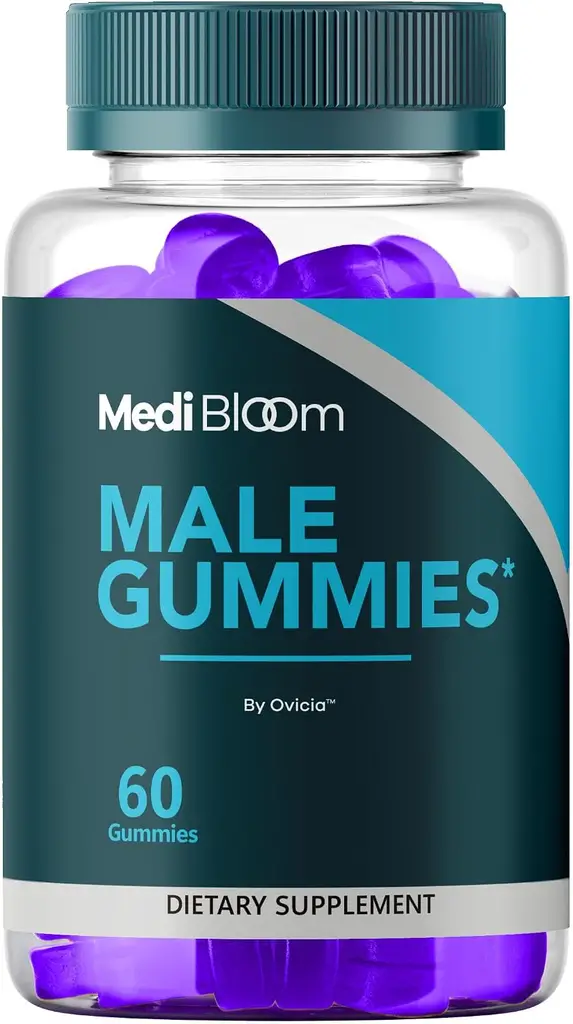
What Is MediBloom CBD Gummies?
MediBloom CBD Gummies are presented as a hemp-derived CBD gummy intended for adults looking for a convenient alternative to CBD oil or capsules.
The product packaging currently shown online states 525 mg, contains 15 gummies, and claims 0% THC. Those are statements displayed on the packaging; they are not the same thing as independent laboratory verification.
The marketing focuses on general wellness, with claims around relaxation, stress, sleep, focus and everyday comfort. One sales page goes considerably further, featuring customer testimonials claiming that the gummies eliminated chronic pain and provided rapid relief.
Those testimonials shouldn’t be confused with clinical evidence.
How It Claims to Work
MediBloom is essentially selling the familiar CBD-wellness pitch: take a convenient gummy containing hemp-derived CBD and incorporate it into your daily routine for a calmer, more comfortable experience.
That isn’t an inherently unreasonable description of a CBD product.
The problem begins when customer testimonials and advertising make the product sound like a solution for specific health problems. CBD products sold as ordinary supplements don’t suddenly become medically proven because a sales page contains a testimonial from someone claiming their pain disappeared.
The product itself also doesn’t appear to have strong finished-product clinical evidence demonstrating the broad range of benefits suggested by the advertising.
The Celebrity Videos Are a Major Red Flag
This is the part that immediately caught my attention.
MediBloom has been promoted through celebrity-style advertising, including content that appears to invoke Kid Rock. One recent customer review on Trustpilot even directly addressed Kid Rock while complaining about the MediBloom purchasing process.
But seeing a celebrity in an advertisement doesn’t mean the celebrity actually endorsed the product. I couldn’t find credible evidence establishing that Kid Rock officially endorses MediBloom CBD Gummies.
And that distinction is becoming increasingly important because AI-generated and manipulated videos have made it incredibly easy to manufacture celebrity endorsements.
A video can make a famous person appear to recommend a product, describe its benefits or tell a personal story that they never actually recorded. If the only evidence of an endorsement is the sales video itself, that’s not enough.
I would want to see the celebrity’s official website, verified social-media account or another independently verifiable source confirming the endorsement.
If that confirmation doesn’t exist, I would treat the video as advertising, not an endorsement.
Reality vs. Claims
Once the celebrity videos and dramatic testimonials are removed, MediBloom becomes a fairly ordinary CBD gummy.
The available packaging shows 525 mg of stated product strength across 15 gummies, but the public-facing information I found does not provide enough detail to independently verify the complete formula or establish the precise CBD content per gummy.
That makes it difficult to judge the product properly.
I’m not saying CBD cannot have effects. I’m saying that a product claiming to contain CBD should be transparent about exactly how much CBD is present, what else is in the gummy and whether independent testing is available.
The sales pitch should not have to do the job of the label.
Let’s Look at the Listed Ingredients
This is actually one area where I don’t have much to elaborate on because the publicly available MediBloom information is surprisingly vague.
The product is presented as a hemp-extract/CBD gummy, with the packaging stating 525 mg and 0% THC. However, the websites I found do not consistently provide a complete, independently verifiable ingredient breakdown with clear amounts for every component.
That’s a problem for me. If I’m buying a supplement, I want to know exactly what I’m putting into my body. “Hemp extract” and a number printed on the front of a bottle aren’t enough information to properly evaluate a CBD product.
Red Flags to Consider
The Celebrity Endorsement Is Difficult to Verify
The apparent use of Kid Rock in MediBloom advertising deserves scrutiny.
I couldn’t verify an official endorsement from him, and one of the customer reviews specifically called him out while describing the purchasing experience as confusing and misleading.
Again, the reviewer’s comment is a customer allegation, not proof that Kid Rock knowingly participated in the campaign. But if a product is using a celebrity’s image or likeness to make people feel more comfortable buying it, the endorsement should be independently verifiable.
The Checkout Process Can Lead to Recurring Charges
This is probably the most concrete consumer red flag I found.
Published terms associated with MediBloom sales pages list both one-time and subscription purchases. The subscription arrangement can result in another shipment every 30 days unless the customer cancels within the stated cancellation period. That matters because a discounted subscription can look very different from a one-time purchase when you’re looking at the first price.
One customer on Trustpilot complained that the purchase process involved multiple pop-ups and that what appeared to be a two-bottle offer resulted in a membership. The reviewer also alleged that they were told they could receive only a partial refund when attempting to cancel. That’s one person’s experience, so I wouldn’t treat it as proof that every customer will encounter the same thing.
But the fact that recurring billing is independently visible in the published terms makes the complaint worth taking seriously.
Different Websites Give Different Company Information
Another thing I don’t love is the lack of a clean corporate trail. One MediBloom-related terms page identifies MEDIBLOOM LLC, while another identifies SUPPLE 1 LLC as the website owner and operator. The associated customer-service information also differs between these sites.
That doesn’t automatically mean the companies are connected improperly. It does mean you should know exactly which entity you’re purchasing from.
If the company name on the terms, the checkout page and your eventual card statement don’t line up, keep the documentation.
The Scarcity Tactics Are Familiar
One sales page uses a countdown-style offer and a stock counter claiming that only a small number of bottles remain. That kind of tactic is common in aggressive online supplement marketing.
Maybe the stock really is limited. But I wouldn’t let a countdown timer pressure me into buying a health product before I’ve checked the ingredients, seller, refund terms and recurring billing conditions.
Efficacy
I’m not prepared to call MediBloom an effective treatment for pain, anxiety, insomnia or any other medical condition.
The product is sold as a CBD wellness gummy, and there is not enough finished-product evidence available to establish that MediBloom itself produces the dramatic outcomes described in some of its marketing.
The FDA has approved a prescription CBD medication for specific seizure disorders, but that doesn’t mean ordinary CBD gummies have been approved as treatments for pain, anxiety, sleep problems or other conditions.
So if an advertisement makes MediBloom sound like a medical solution, I’d be very skeptical.
Pricing and Where to Buy
Pricing varies depending on the sales funnel. Published terms associated with MediBloom list subscription bundles ranging from roughly $119.48 to $248.70, depending on the package. Some pages also offer one-time purchase options at different prices.
That makes it especially important to check whether the button you’re clicking is for a one-time purchase or a recurring subscription.
I would also avoid buying several bottles simply because the advertisement claims you’re getting a huge discount. A lower price per bottle isn’t much of a bargain if you didn’t realize you’re agreeing to recurring shipments.
What To Do If You Already Bought MediBloom
If you’ve already placed an order, save everything. Keep the confirmation email, screenshots of the checkout page, the advertisement you originally clicked, the product page, the terms and conditions, and photographs of the bottle and label.
If you believe you accidentally enrolled in a subscription, contact the seller immediately and request cancellation in writing. Don’t rely exclusively on a phone call.
If another charge appears after you’ve canceled, contact your card issuer and provide your cancellation records and the original purchase terms. If the product you received is materially different from what was advertised, document that as well.
And if you bought MediBloom because a celebrity appeared to recommend it, save that video. If the endorsement turns out to be fake or manipulated, the advertisement itself may be important evidence of how you were persuaded to make the purchase.
Conclusion
MediBloom CBD Gummies aren’t something I’d rush out to buy.
The CBD gummy format itself isn’t particularly unusual, and the packaging provides a few basic details about the product. But the surrounding sales operation gives me considerably more concern than the gummy does.
The apparent use of celebrity advertising, including content associated with Kid Rock, is a major issue when I can’t verify that the celebrity actually endorsed the product. The situation becomes even more concerning when you add customer complaints about confusing checkout pages and memberships, published terms showing recurring 30-day shipments, inconsistent company names across related websites and limited transparency around the actual formula.
Could MediBloom contain CBD? Absolutely. Could a person buy it and have a normal experience? Possibly.
But none of that makes a questionable celebrity endorsement legitimate or makes a confusing subscription funnel acceptable.
Also read – I Bought Pulsetto Vagus Nerve Stimulator: Is It Worth the Money? Honest Review