

NeuroPrime is marketed as a natural memory and brain-health supplement designed to improve focus, mental clarity and memory. It comes in liquid drops and is promoted heavily toward people worried about brain fog, forgetfulness and age-related cognitive decline.
But there are some serious questions surrounding this product. I found multiple websites presenting themselves as the official NeuroPrime site, inconsistent guarantees and product information, and some pretty extraordinary claims about “detoxifying” the brain and removing fluoride from the pineal gland. So, is NeuroPrime actually worth taking? Let’s take a closer look.
Key Takeaways
- NeuroPrime is marketed as a liquid supplement for memory, focus and mental clarity.
- The formula commonly advertised contains nine plant-based ingredients.
- Different NeuroPrime websites make different claims about the product and its guarantees.
- Some advertising claims that NeuroPrime can “detoxify” the pineal gland and remove fluoride from the brain.
- There is no credible clinical trial showing that the finished NeuroPrime formula can reverse memory loss or deliver the dramatic cognitive benefits advertised.
- One investigation found an affiliate funnel where an advertisement for a different supplement, Apex Neuro Elite, redirected customers to a NeuroPrime checkout.
- At least one NeuroPrime-related domain has received a very low trust score from a website reputation service.
- I would not recommend NeuroPrime based on the evidence currently available.
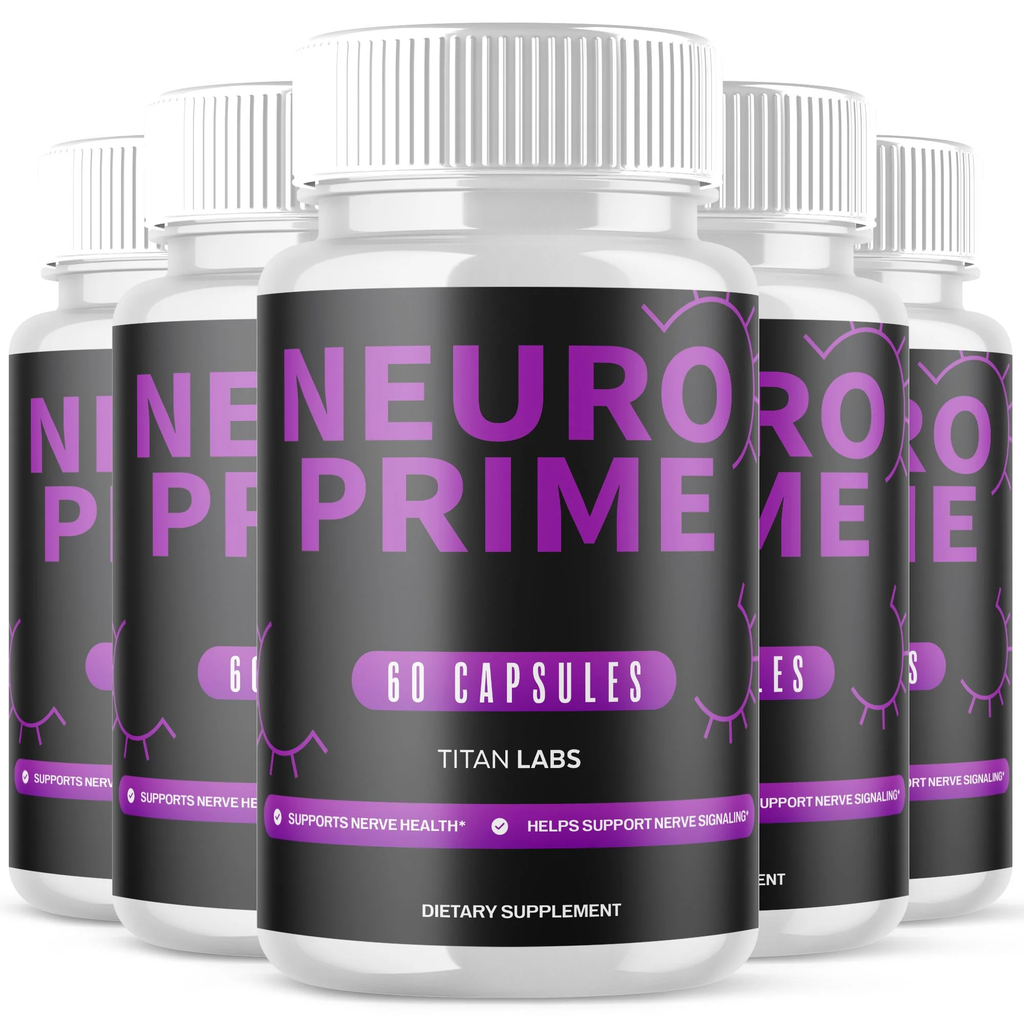
What Is NeuroPrime?
NeuroPrime is a liquid dietary supplement marketed for memory, focus and overall brain health. The product is generally promoted as a once-daily liquid that can be taken directly or added to a drink.
The marketing is clearly aimed at people who are experiencing forgetfulness, brain fog or concerns about cognitive decline. Rather than presenting itself as simply another multivitamin, NeuroPrime is sold as a more targeted solution for maintaining mental sharpness.
And that’s where I think consumers need to be careful. There is a big difference between supporting normal cognitive health and claiming that a supplement can reverse memory loss or fix an underlying problem in the brain.
How It Claims to Work
NeuroPrime’s formula is built around a combination of herbs, mushrooms and algae that the marketing says work together to support memory, concentration and mental clarity.
Some versions of the sales material go considerably further, claiming that the product can “detoxify” the pineal gland, remove fluoride from the brain and restore melatonin production. Those claims are far more dramatic than simply saying the ingredients provide nutritional support.
The problem is that I couldn’t find credible clinical evidence showing that NeuroPrime itself can perform these supposed detoxification or memory-restoration effects.
A dramatic explanation can make a supplement sound revolutionary, but it doesn’t make the underlying claim true.
Let’s Look at the Listed Ingredients
The commonly advertised NeuroPrime formula contains Moringa, pine bark extract, Ginkgo biloba, tamarind, Lion’s Mane mushroom, chlorella, Bacopa monnieri, spirulina and neem.
There are some recognizable ingredients here, particularly Ginkgo, Bacopa and Lion’s Mane, but the presence of ingredients that have been studied individually doesn’t prove that NeuroPrime itself has been clinically tested and shown to improve memory.
That’s an important distinction that the marketing tends to blur.
Reality vs. Claims
This is where NeuroPrime loses me. If the product were simply marketed as a plant-based supplement that provides general nutritional support for cognitive health, I’d have a much easier time evaluating it.
Instead, some of the advertising makes claims about reversing memory loss and “detoxifying” the brain. The sales material essentially takes the existence of certain ingredients and wraps them in a much bigger story about brain toxins, the pineal gland and cognitive decline.
I found no published clinical trial demonstrating that the finished NeuroPrime formula can do what those advertisements suggest.
That doesn’t mean every ingredient is useless. It means the finished product has not earned the level of confidence its marketing asks consumers to give it.
Red Flags to Consider
The “Pineal Detox” Story
This is probably the most questionable part of the marketing. NeuroPrime advertisements have claimed that the product can detoxify the pineal gland and remove fluoride from the brain, supposedly allowing the body to restore normal melatonin production and improve cognitive function.
That sounds scientific enough to be convincing if you aren’t familiar with the subject. But there’s no credible evidence that taking NeuroPrime drops can perform this supposed brain detoxification process.
This is exactly the kind of complicated biological story that can make a supplement sound much more medically advanced than it actually is.
Multiple “Official” Websites
I found several websites presenting NeuroPrime as an official product, including domains with different spellings of the brand name.
That’s a problem because it makes it difficult to establish which website actually belongs to the manufacturer. One domain, neuroprime.co, was created in February 2026 and received a 24.3/100 trust score from Scam Detector, which categorised it as suspicious.
A newly registered domain isn’t automatically fraudulent, but when there are already multiple NeuroPrime websites competing to look official, it’s another reason to slow down before ordering.
A Different Supplement Can Lead to NeuroPrime
This is one of the strangest things I found. An investigation into the NeuroPrime sales funnel found that advertisements for Apex Neuro Elite, which was presented as a different brain supplement in capsule form, could ultimately redirect customers to a ClickBank checkout selling NeuroPrime drops.
That’s not something I would expect from a straightforward supplement company. If I click an advertisement for Product A, I expect the checkout to sell Product A.
Changing the product name, format and presentation somewhere between the advertisement and payment is confusing at best and potentially misleading at worst.
The Guarantees Don’t Match
Another problem is the inconsistent refund information. Some NeuroPrime websites advertise a 365-day money-back guarantee, while other information associated with the product refers to a 60-day guarantee.
That’s a pretty significant difference. If a company is confident enough to promise a full year to request a refund, I should be able to find that same guarantee clearly stated in the actual terms associated with my purchase.
The “Verified Buyers” Numbers Need Context
One NeuroPrime sales page displays 4.6/5 from 1,973 verified buyers. Another NeuroPrime-related website displays an absurdly large review count while providing no meaningful information about where those reviews came from.
I wouldn’t automatically assume these ratings are fake. But I also wouldn’t treat a number displayed on the seller’s own sales page as independent evidence that the product works.
If I’m evaluating a supplement, I’d rather see independently verifiable customer feedback than a giant testimonial number sitting directly above an order button.
Efficacy
I wouldn’t describe NeuroPrime as a proven memory supplement. There are legitimate ingredients in the advertised formula, but there is a huge gap between having those ingredients in a bottle and proving that the finished product can reverse memory problems, prevent cognitive decline or detoxify the brain.
Most importantly, memory loss is not something I’d recommend trying to self-treat with an internet supplement. Forgetfulness can have many causes, and a supplement advertisement shouldn’t be allowed to turn a potentially important medical symptom into a sales opportunity.
NeuroPrime may provide some nutritional or subjective benefits for some users. But the evidence I found isn’t strong enough for me to recommend it for the much bigger claims being made.
Pricing and Where to Buy
The NeuroPrime sales pages I found advertise roughly $69 for one bottle, $177 for three and $294 for six, bringing the advertised six-bottle price down to approximately $49 per bottle.
The six-bottle package is heavily promoted, including claims that 97% of customers choose that option. I couldn’t find independent evidence supporting that statistic.
Personally, I wouldn’t spend nearly $300 on six bottles of a supplement when I haven’t even been able to establish which NeuroPrime website is the authoritative seller.
What To Do If You Already Bought NeuroPrime
If you’ve already ordered it, keep your order confirmation, receipt and screenshots of the advertisement you saw. Pay particular attention to the exact product name and website shown at checkout. If you clicked an advertisement for one supplement but the final order confirmation names another, save evidence of that.
If you decide you don’t want the product, contact the seller in writing and request a refund according to the terms attached to your order.
And if you’re experiencing genuine memory loss or significant changes in concentration, don’t rely on NeuroPrime or another online supplement as a substitute for getting the underlying issue evaluated.
Conclusion
NeuroPrime is not a product I’d recommend. The ingredient list itself isn’t necessarily outrageous. What bothers me is everything surrounding it: the exaggerated brain-detox claims, multiple websites presenting themselves as official, inconsistent money-back guarantees and a sales funnel that can apparently advertise one brain supplement before sending customers to a NeuroPrime checkout.
The “pineal detox” story is particularly problematic because it gives the product a scientific-sounding explanation for memory problems without providing credible evidence that NeuroPrime can actually do what the advertisements claim.
Could NeuroPrime contain real botanical ingredients? Yes. Could some of those ingredients have legitimate research behind them? Also, yes.
But that doesn’t prove that NeuroPrime can reverse memory loss or remove toxins from your brain. There are simply too many inconsistencies and too little product-specific evidence for me to recommend spending money on this one.
Also read – I Bought the KONEO Batana Oil: Is It Worth It? My Honest Review After Using It