

Peptides have become one of the fastest-growing categories in the wellness and performance industry. Across social media, fitness communities, and longevity-focused podcasts, they’re often marketed as cutting-edge compounds capable of improving everything from recovery and body composition to energy, focus, and healthy aging.
Apex Peptides operates within this increasingly crowded peptide market, offering products aimed at consumers interested in performance enhancement, recovery support, and wellness optimization.
In this review, we dug through the science, industry marketing, and customer experiences to determine whether Apex Peptides stands on solid scientific ground… or whether it’s another brand benefiting from the gap between peptide hype and peptide evidence.
Key Takeaways
- Peptides are one of the most heavily marketed wellness trends today.
- Some peptides have legitimate scientific and medical research behind them.
- Evidence varies dramatically depending on the specific peptide.
- Many claims made throughout the peptide industry go beyond established research.
- Long-term evidence remains limited for many wellness-focused peptide applications.
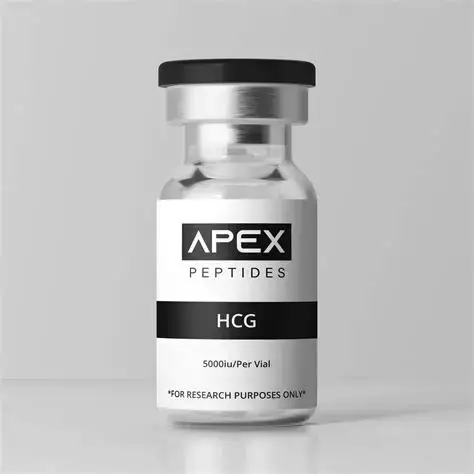
What is the Apex Peptides?
Apex Peptides is a company operating in the peptide space, offering products associated with recovery, performance, wellness, and optimisation-focused goals.
The brand appears to target consumers interested in Recovery support, Fitness and performance, Longevity and wellness, Body composition goals, biohacking, and optimisation
When I started researching Apex Peptides, one thing became clear very quickly: evaluating a peptide company is much more complicated than evaluating a traditional supplement. That’s because “peptides” aren’t a single ingredient.
Different peptides can have completely different purposes, levels of evidence, safety profiles, and research histories. Some have been studied extensively. Others remain far more experimental. That nuance often gets lost once marketing enters the picture.
At its core, Apex Peptides is part of a rapidly growing industry built around emerging science, wellness optimisation, and performance-focused marketing.
How It Claims to Work
Like many companies in this space, Apex Peptides markets products around the idea that certain peptides may influence biological processes related to recovery, performance, cellular function, and wellness.
Depending on the specific product, the marketing may suggest support for areas such as Recovery, Energy, Muscle development, Body composition, Wellness, and Healthy ageing.
The overall theme is fairly consistent throughout the peptide industry: Provide the body with targeted biological compounds and potentially optimize certain physiological processes.
It’s a compelling idea, and that’s a big reason peptides have become so popular.
Red Flags to Consider
The peptide industry is driven heavily by hype
One thing that stood out almost immediately was the sheer amount of enthusiasm surrounding peptides online. Terms like “optimization,” “regeneration,” “recovery enhancement,” and “longevity” appear constantly throughout industry marketing.
The problem is that these words can make emerging science sound much more definitive than it actually is.
Different peptides have vastly different evidence levels
The more I researched, the more obvious it became that people often discuss peptides as though they’re all part of the same scientific category.
In reality, each peptide has its own evidence base. A claim that may be supported for one peptide does not automatically apply to another.
That distinction is often lost in broad marketing narratives.
Influencer culture plays a major role
Many consumers first hear about peptides through Fitness personalities, Wellness influencers, Biohacking communities, and Podcast hosts. While personal experiences can be interesting, they’re not a substitute for strong clinical evidence.
The popularity of a product doesn’t necessarily reflect the strength of the science behind it.
Expectations can quickly become unrealistic
The deeper I looked, the more peptide marketing seemed to promise improvements across multiple areas at once. Recovery, performance, energy, body composition, aging, focus, and wellness may all appear in the same conversation.
Whenever one category starts sounding capable of improving nearly every aspect of life, it’s worth approaching the claims with caution.
Long-term evidence is still developing
Another issue is that long-term data remains limited for many peptide-related wellness applications.
That doesn’t mean peptides are ineffective. It simply means the confidence level of some marketing claims often exceeds the maturity of the available research.
Does It Really Work?
The answer depends heavily on the specific peptide being discussed. Some peptides have stronger research support than others. Some remain highly experimental in wellness settings.
After comparing the industry’s marketing claims with the available evidence, I found that peptide companies often present possibilities and emerging research as though they are established outcomes.
For that reason, it’s difficult to make broad promises about results. What can be said is that the science is often more nuanced and less certain than the marketing suggests.
Pricing
Peptide products are generally positioned as premium wellness offerings and can cost significantly more than traditional dietary supplements.
Part of that pricing reflects the complexity of the products, but part also reflects the premium positioning common throughout the biohacking and optimisation market.
What To Do If Scammed
If you purchased a peptide product expecting dramatic recovery, performance, or anti-ageing benefits and feel the results didn’t match the marketing, keep documentation of the claims that influenced your purchase and review the company’s refund and return policies.
Conclusion
After digging through the science, industry trends, and marketing claims, Apex Peptides felt less like a proven wellness breakthrough and more like a participant in the broader peptide boom.
That doesn’t mean every product offered by peptide companies lacks value. Some peptides genuinely have promising scientific research behind them.
The issue is that the industry’s marketing often moves much faster than the science itself.
In the end, Apex Peptides appears to operate in a category filled with legitimate scientific interest, but also significant hype, uncertainty, and expectation-driven marketing.
Also read – Wonkawin.com Review: Crypto Gaming Scam Platform Uncovered!