

Leaftide is marketed as a natural weight-loss supplement, but it is being pushed through a much more elaborate story than a typical supplement ad. Videos circulating online appear to use AI-generated or manipulated footage of celebrities and health personalities, including Mel Robbins and Dr. Rhonda Patrick, to make it look as though they are revealing a secret matcha weight-loss method.
The problem is that there is no credible evidence that either woman endorsed Leaftide or participated in these advertisements. In fact, the real Mel Robbins Podcast has discussed matcha, which makes the fake videos especially convincing. So, is Leaftide actually the weight-loss breakthrough these videos claim it is? Let’s take a closer look.
Key Takeaways
- Leaftide is being promoted through videos appearing to feature Mel Robbins and Dr. Rhonda Patrick.
- There is no credible evidence that either woman endorsed, created, or approved Leaftide.
- The celebrity footage shows characteristics associated with AI-generated or manipulated advertising.
- A real Mel Robbins Podcast episode discusses matcha and weight loss, but it does not promote Leaftide.
- Leaftide’s current formula is described as containing apple cider vinegar, BHB salts, apple pectin and beet root powder, although the public sales page does not provide exact quantities.
- The product has not been clinically tested as a finished formula to demonstrate that it produces the dramatic weight-loss results advertised.
- BBB Scam Tracker contains complaints alleging misleading advertising, unexpected charges and products that did not match what was promised.
- The product is sold through ClickBank, which processes the transaction but explicitly states that its role does not constitute an endorsement of Leaftide or its claims.
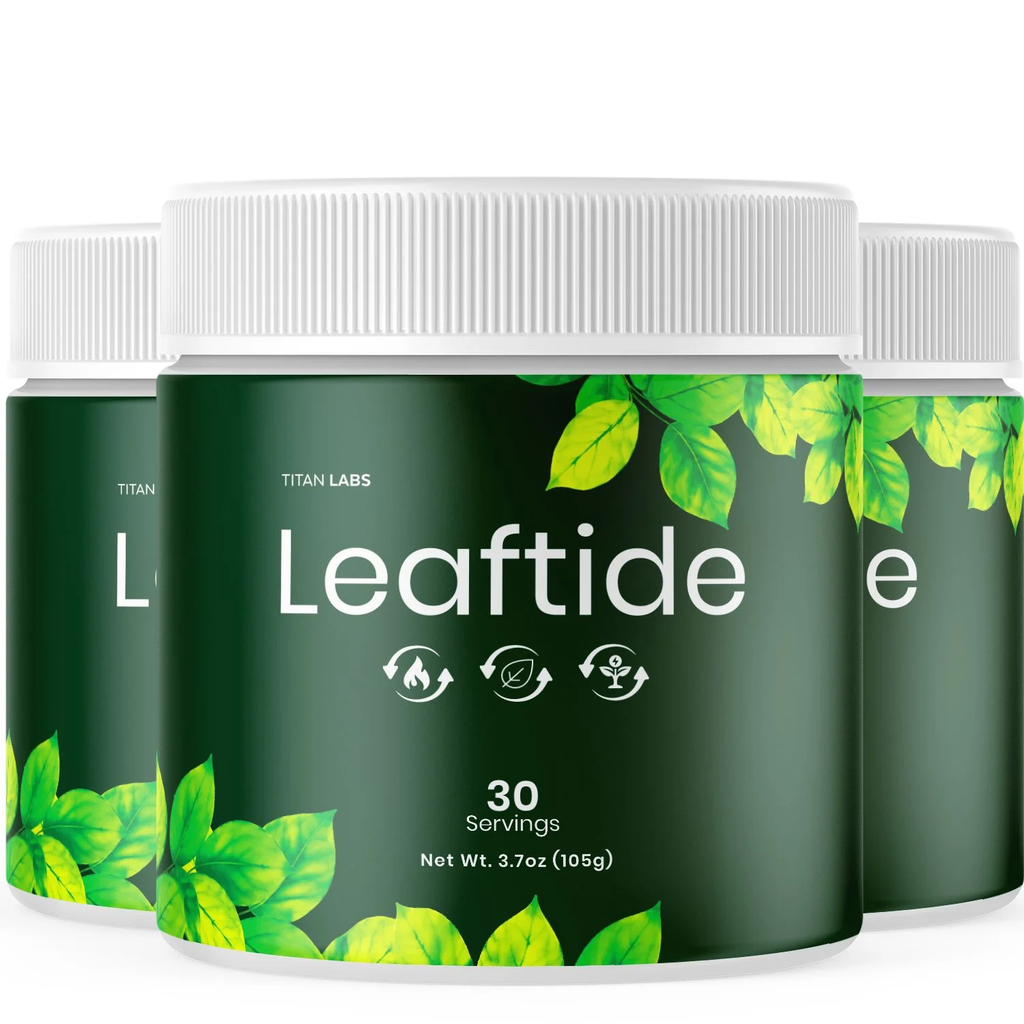
What Is Leaftide?
Leaftide is a dietary supplement marketed as a natural weight-loss product. Its sales material claims that the formula can help people lose weight, curb cravings, boost metabolism and support the body’s fat-burning processes.
The product is sold through GetLeaftide.com and processed through ClickBank. The sales page currently promotes multi-bottle packages and a 60-day money-back guarantee, while also stating that the product is manufactured in the United States.
That might sound fairly ordinary for a supplement, except Leaftide isn’t being sold on its own merits. A significant part of the marketing revolves around a supposed matcha discovery and celebrity endorsements that appear designed to make viewers believe they are watching genuine interviews or podcast clips.
The Mel Robbins Connection Is Where Things Get Interesting
This is probably the cleverest part of the campaign.
Mel Robbins really has talked about matcha and weight loss. In a January 2025 episode of The Mel Robbins Podcast, she interviewed physician and scientist Dr. William Li about foods associated with metabolic health. Matcha came up during the discussion, with Li discussing its catechins and potential effects on body fat.
So, if someone sees a video of what appears to be Mel Robbins talking about a matcha weight-loss discovery, the story already feels plausible. But there is a huge difference between Mel Robbins discussing matcha on her actual podcast and Mel Robbins endorsing a product called Leaftide.
I found no credible evidence connecting Robbins to Leaftide. The current investigation into the viral matcha campaign specifically identifies manipulated or AI-generated celebrity material involving Robbins and says there is no verified connection between the featured public figures and the product.
In other words, the scammers appear to be taking something that actually happened… Mel Robbins is talking about matcha and building a completely different commercial story around it.
What About Dr. Rhonda Patrick?
The same tactic appears to be used with Dr. Rhonda Patrick.
Her reputation as a science-focused health communicator makes her an especially useful person to put in a supplement advertisement. If a viewer believes a scientist is personally explaining the science behind a weight-loss formula, the product suddenly seems much more credible.
But again, there is no credible evidence that Patrick endorsed Leaftide or participated in the advertising campaign.
The broader fake-matcha campaign has been documented as using recognisable public figures and health personalities without verified permission, with AI-generated or manipulated videos helping create the appearance of genuine endorsements.
And that’s really the heart of this scam: the celebrity isn’t necessarily being used to sell the product directly; their apparent authority is being used to make the entire story believable.
How the Fake Matcha Story Works
The advertisement starts with something that sounds harmless: matcha. Matcha already has a strong health reputation, so viewers aren’t immediately suspicious. Then comes the supposed revelation… a simple matcha-based method that can supposedly accelerate fat loss, reduce cravings or shrink the waistline.
Next comes the celebrity. Instead of an obvious commercial, the footage is presented as though the celebrity is revealing something during a podcast, interview or news segment. That format is important because people are much more likely to trust something that looks like an authentic conversation than a conventional advertisement.
The video then directs viewers toward an article or sales page where the “secret” becomes a commercial supplement. That’s when Leaftide enters the picture.
The matcha story gets you interested; the celebrity makes you trust it; the supplement becomes the thing you’re ultimately asked to buy.
Is the Matcha Claim Completely Fake?
Not exactly, and this is what makes the marketing more deceptive. Matcha itself isn’t some mysterious scam ingredient. It contains catechins and other compounds that have been studied for their potential effects on metabolism and body composition.
Dr. William Li did discuss potential effects of matcha on body fat during the real Mel Robbins Podcast episode. However, even genuine research into matcha doesn’t establish that a particular commercial supplement will produce dramatic weight loss.
The leap from:
“Matcha contains compounds being studied for metabolic effects”
to:
“This particular supplement will make you lose significant amounts of weight”
is where the marketing gets ahead of the evidence.
Let’s Look at the Listed Ingredients
The Leaftide formula described in its sales material contains apple cider vinegar, BHB salts, apple pectin and beet root powder. However, the public product information does not provide exact quantities for each ingredient, making it impossible to determine whether the amounts correspond to doses used in relevant research.
More importantly, research on individual ingredients should not be confused with clinical evidence for the finished Leaftide product. There is no published clinical trial demonstrating that this particular combination produces the dramatic weight-loss results shown in the advertisements.
Red Flags to Consider
Fake Celebrity Endorsements
This is easily the biggest red flag. The campaign appears to use AI-generated or manipulated videos featuring recognisable people, including Mel Robbins and Rhonda Patrick. There is no credible evidence that either woman endorsed Leaftide.
Using someone’s likeness to create the impression that they personally recommend a product is fundamentally different from simply making an aggressive supplement claim. It manufactures trust.
And the Mel Robbins connection makes the deception particularly clever because she has genuinely discussed matcha on her podcast. Someone unfamiliar with the original episode could easily assume the viral video is authentic.
The Fake “Secret” Narrative
The advertisements don’t simply say, “Here is a supplement containing four ingredients.” Instead, they build a story around a supposedly overlooked weight-loss discovery.
This is a classic marketing tactic because it gives the viewer the feeling that they have stumbled across information the mainstream health industry doesn’t want them to know.
The product then becomes the convenient way to access this “secret.”
Lack of Exact Ingredient Dosages
Leaftide’s public information identifies the ingredients but does not provide a detailed Supplement Facts panel with the amount of each ingredient.
That makes it difficult to compare the product with actual scientific studies. If a company wants consumers to believe its formula is “scientifically proven,” I would expect to see exactly how much of each active ingredient is being provided.
The 60-Day Guarantee Isn’t the Same as Proof
Leaftide advertises a 60-day money-back guarantee, which sounds reassuring. But a guarantee tells me about the seller’s refund policy, not whether the product actually works.
The posted terms require customers to contact support and return products under specific conditions, with return shipping potentially falling on the customer.
Consumer Complaints
There are also consumer complaints that make the purchasing side worth watching.
A July 2026 BBB Scam Tracker report describes a customer who believed they were watching a genuine Today Show segment involving Oprah and Dr. Ania discussing Leaftide. The customer said their credit card company stopped the transaction after detecting a problem, but they later received three tubs of the product that allegedly did not contain the ingredients described in the supposed broadcast. The report classified the incident as a counterfeit-product complaint.
Another BBB report from August 2026 alleges that a customer was promised a money-back guarantee but continued receiving products and eventually had to shut down their credit card, reporting approximately $500 in losses.
These are consumer allegations rather than proof that every Leaftide customer experiences the same thing, but they are still important warning signs.
Efficacy
There is nothing inherently impossible about a supplement containing apple cider vinegar, BHB salts, apple pectin and beet root powder having some physiological effects.
The problem is the size of the promise. Leaftide’s advertising presents weight loss as something that can be achieved by boosting metabolism, reducing cravings and activating the body’s natural fat-burning processes. Its sales page even claims that many customers notice weight loss and increased energy within the first week.
But there is no published clinical evidence showing that the finished Leaftide formula produces those results. The research behind individual ingredients simply isn’t enough to establish that this particular product will cause substantial weight loss.
And no AI-generated Mel Robbins or Rhonda Patrick video changes that.
Pricing and Where to Buy
Leaftide’s pricing varies depending on the package selected. Current promotional material has advertised packages ranging from two bottles to six bottles, with the larger packages positioned as better-value options. One published review lists prices around $177 for two bottles and $294 for six.
The product is sold through GetLeaftide.com, with ClickBank acting as the retailer/payment intermediary. ClickBank itself states that processing the sale does not mean it endorses or approves Leaftide’s claims.
Because pricing and checkout offers can change, I would pay much more attention to the final checkout total than the large “$49 per bottle” figures used in promotional material.
What To Do If You Already Bought Leaftide
If you purchased Leaftide after seeing one of these celebrity videos, don’t panic, but don’t ignore the transaction either.
Save screenshots of the advertisement, the sales page, the checkout screen, your confirmation email, the amount charged and any emails from the seller. If another charge appears, contact the seller in writing and keep a record of the communication.
If you believe you were charged without authorization or that the product was materially misrepresented, contact your card issuer or payment provider promptly and explain exactly what happened.
If you’re seeking a refund under the seller’s guarantee, follow the written return instructions carefully and keep proof of postage and delivery.
Conclusion
Leaftide isn’t concerning simply because it’s a weight-loss supplement. The much bigger problem is the way it appears to be marketed.
The campaign takes a legitimate subject, matcha and its potential health effects, combines it with real footage and recognisable personalities, and then appears to use AI-generated or manipulated material to create endorsements that those people have not been credibly shown to have made.
The Mel Robbins angle is particularly deceptive because Robbins genuinely discussed matcha on her own podcast. But that real discussion is not an endorsement of Leaftide, and there is no credible evidence connecting her or Dr. Rhonda Patrick to this product.
Add the undisclosed ingredient quantities, lack of finished-product clinical evidence and consumer complaints about purchasing and fulfilment, and I would not consider Leaftide a trustworthy weight-loss solution.
The biggest lesson here isn’t even about matcha. It’s about verifying the person making the recommendation. A video can look like an interview, sound like a podcast and feature a familiar face while being nothing more than an elaborate advertisement.
Also read – Stycove Projector 360 Star Projector Review: Is It Actually Worth It? I Bought It