

Blood sugar supplements are everywhere these days, and Insuleaf is one of the latest to catch people’s attention. It’s marketed as a natural formula that can support healthy glucose levels, improve insulin sensitivity, curb sugar cravings, and even boost energy. For anyone looking for an alternative or complement to lifestyle changes, those claims can be incredibly appealing.
I spent time looking into Insuleaf’s ingredients, the science behind them, the company’s claims, and what independent information is actually available. While I don’t think Insuleaf is an outright scam, I also don’t think it’s the breakthrough supplement some advertisements make it out to be. Like many dietary supplements, the reality is a bit more nuanced.
Key Takeaways
- Insuleaf is a dietary supplement marketed to support healthy blood sugar levels.
- Some of its ingredients have promising scientific research behind them individually.
- There are no publicly available clinical trials on the finished Insuleaf formula.
- It shouldn’t be viewed as a replacement for diabetes medication or professional medical care.
- The product may offer supportive benefits, but many marketing claims go beyond the available evidence.
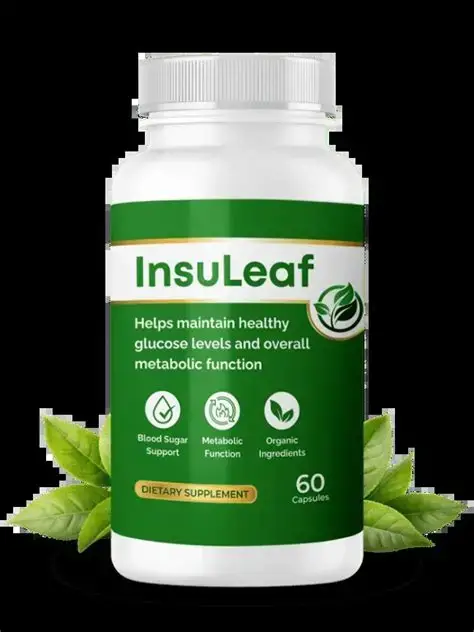
What Is Insuleaf Supplement?
Insuleaf is a dietary supplement designed to support healthy blood sugar metabolism using a blend of herbal extracts, vitamins, and minerals. Rather than positioning itself as a treatment for diabetes, it’s marketed as a daily wellness supplement that may help maintain normal glucose levels, improve metabolic health, and support the body’s natural response to insulin.
It’s aimed at adults who want additional support alongside healthy eating and exercise. However, as with most supplements in this category, it’s important to separate what the ingredients are believed to do from what has actually been proven about the finished product.
How Does Insuleaf Claim to Work?
According to its marketing, Insuleaf works by combining ingredients that target different aspects of blood sugar regulation. Some are believed to improve insulin sensitivity, while others may help reduce blood sugar spikes after meals or support healthy carbohydrate metabolism.
The theory behind the formula isn’t unreasonable. Several of the ingredients commonly associated with blood sugar supplements have been studied for these effects. The challenge is that understanding how individual ingredients work doesn’t automatically prove that a proprietary blend will produce the same results in real-world use.
What Does the Evidence Say?
When I looked beyond the marketing, I found that the evidence supporting Insuleaf is mixed.
Several ingredients reportedly included in the formula, such as berberine, cinnamon extract, chromium, alpha-lipoic acid, and Gymnema sylvestre, have been researched individually. Berberine, in particular, has produced encouraging results in some clinical studies involving blood sugar management and insulin sensitivity.
However, that’s where the strongest evidence stops.
At the time of writing, I couldn’t find any peer-reviewed clinical trials evaluating Insuleaf itself. That means there’s no independent evidence confirming that the complete formula works as advertised, that the ingredients are included in effective doses, or that the combination performs better than a placebo. While this isn’t uncommon in the supplement industry, it’s still an important limitation that buyers should understand before expecting dramatic results.
Red Flags to Consider
No Clinical Research on the Finished Product
One of the first things I look for when reviewing a supplement is whether the actual product has been clinically tested. In Insuleaf’s case, I couldn’t find any published clinical studies evaluating the finished formula. Although several of the ingredients have been researched on their own, those findings can’t automatically be applied to a proprietary blend. Without product-specific studies, many of the advertised benefits remain theoretical rather than proven.
Inconsistent Product Information Across Sellers
Another issue I noticed was the lack of consistency between different websites selling Insuleaf. Ingredient lists, product descriptions, and even some of the claimed benefits varied depending on where I looked. That inconsistency makes it difficult for consumers to know exactly what they’re purchasing and raises questions about which information is the most accurate.
Limited Transparency Around Quality Testing
I also found very little information about third-party testing or independent quality verification. Many reputable supplement manufacturers voluntarily provide evidence that their products have been tested for purity, potency, and contaminants. While not every company publishes these reports, the absence of easily accessible quality assurance information makes it harder to evaluate the product with confidence.
Heavy Reliance on Affiliate Marketing
A large portion of the information available online comes from affiliate websites that earn commissions when readers purchase the product. There’s nothing inherently wrong with affiliate marketing, but it can create an incentive to highlight benefits while downplaying limitations. I found relatively few truly independent reviews discussing both the strengths and weaknesses of Insuleaf, which is always something I consider when assessing a supplement’s credibility.
Ingredients
Insuleaf’s exact formulation may vary depending on the retailer, but several ingredients are consistently associated with the supplement. Berberine is arguably the standout ingredient because it has one of the strongest research backgrounds among natural blood sugar supplements. Multiple studies suggest it may improve insulin sensitivity and help lower blood glucose levels in some individuals.
Cinnamon extract has also been widely studied, although the findings are less consistent. While some research reports modest improvements in fasting blood sugar, other studies have found little meaningful benefit.
Chromium is another common ingredient. It may help people who have a chromium deficiency, but its effects appear less significant in individuals with normal chromium levels.
Gymnema sylvestre has traditionally been used to help reduce sugar cravings and support healthy glucose metabolism, while alpha-lipoic acid is better known for its antioxidant properties and possible role in improving insulin sensitivity.
Overall, the ingredients themselves are scientifically interesting. The bigger uncertainty is whether they’re included in effective amounts and whether the finished formula delivers the benefits consumers expect.
Does Insuleaf Actually Work?
The most honest answer is that it depends on what you’re expecting. If you’re looking for a supplement that may provide additional support alongside a balanced diet, regular exercise, and medical guidance, Insuleaf could potentially play a helpful role. Some users may notice gradual improvements, particularly if they’re already making healthy lifestyle changes.
On the other hand, if you’re hoping for a product that can dramatically lower your A1C, reverse diabetes, or eliminate the need for prescription medication, the current evidence simply doesn’t support those expectations.
Like many supplements, Insuleaf appears to be better suited as a complementary tool rather than a standalone solution.
Potential Side Effects
Most of the ingredients commonly associated with Insuleaf are generally well tolerated, but that doesn’t mean side effects are impossible.
Some people may experience mild digestive symptoms such as nausea, bloating, stomach discomfort, or diarrhea when starting the supplement. Because certain ingredients may also lower blood sugar, there’s a possibility of hypoglycemia if Insuleaf is taken alongside insulin or other glucose-lowering medications. Anyone currently managing diabetes with prescription medication should speak with their healthcare provider before adding a supplement like this to their routine.
Pricing and Availability
Insuleaf’s price varies depending on where it’s purchased, whether discounts are available, and how many bottles are ordered at once.
If you decide to try it, I’d recommend purchasing from the official manufacturer or an established retailer rather than unfamiliar websites or social media advertisements. Doing so reduces the risk of receiving counterfeit products or encountering refund issues if something goes wrong.
Alternatives
If you’re still weighing your options, there are several other supplements that focus on blood sugar support and have established reputations in the industry.
- Thorne Berberine
- NOW Blood Sugar Support
- Nature’s Way Blood Sugar Manager
- Designs for Health Berberine Synergy
These products also shouldn’t be viewed as replacements for medical treatment, but they may be worth comparing before making a purchase.
What To Do If You Were Scammed
If you purchased Insuleaf from a suspicious website and didn’t receive what was advertised, don’t ignore the issue.
Start by contacting the seller and requesting a refund. If that doesn’t resolve the problem, reach out to your bank or payment provider to dispute the charge. It’s also a good idea to keep copies of your receipts, confirmation emails, shipping information, and any communication you’ve had with the seller. Reporting deceptive advertising to your local consumer protection agency can also help prevent others from falling victim to the same practices.
Conclusion
After researching Insuleaf, I think it’s best described as a fairly typical blood sugar support supplement. It contains ingredients that have individually shown promise in scientific studies, particularly berberine, but the finished product itself hasn’t been backed by publicly available clinical research.
That doesn’t mean Insuleaf is ineffective, and it certainly doesn’t make it a scam. However, I also don’t think there’s enough evidence to justify some of the stronger claims made in its marketing. If you choose to try it, go in with realistic expectations and view it as something that may complement healthy lifestyle habits… not replace them.
For me, the biggest hesitation isn’t necessarily the ingredients; it’s the lack of clinical testing on the finished formula and the limited transparency surrounding the product. Until more independent research becomes available, I’d approach Insuleaf with cautious optimism rather than complete confidence.
Also read – I Tried the Viral JIYU NAD+ Moisturizer: Here’s My Honest Review – Pros, Cons & Results