

Medic GLP is a weight-management supplement that is very deliberately marketed around the popularity of GLP-1 drugs. The name alone makes you wonder whether this is supposed to be some kind of cheaper, natural version of Ozempic or Wegovy. And that appears to be exactly the association the product is designed to create.
The important thing is that MedicGLP is not a GLP-1 medication. The company itself says the capsules contain no semaglutide, liraglutide or other GLP-1 receptor agonists. It is a dietary supplement containing chromium and various plant ingredients. So I wanted to look beyond the name and find out whether there’s actually anything worthwhile behind the formula, or whether “GLP” is mostly clever marketing.
Key Takeaways
MedicGLP contains chromium plus a collection of plant-based ingredients, including green tea extract, apple cider vinegar, berberine, ginger, cinnamon, bitter orange, cayenne, banaba, Korean ginseng and resveratrol. The manufacturer provides specific amounts for each ingredient rather than hiding them in a proprietary blend.
There are some ingredients here with legitimate research behind them, particularly berberine, green tea and chromium. But none of that makes MedicGLP equivalent to a prescription GLP-1 drug.
The product itself hasn’t been shown in a clinical trial to produce the kind of weight loss associated with medications such as semaglutide.
And honestly, the biggest question I had while researching it was: if the product isn’t actually acting like a GLP-1 drug, why call it MedicGLP in the first place?
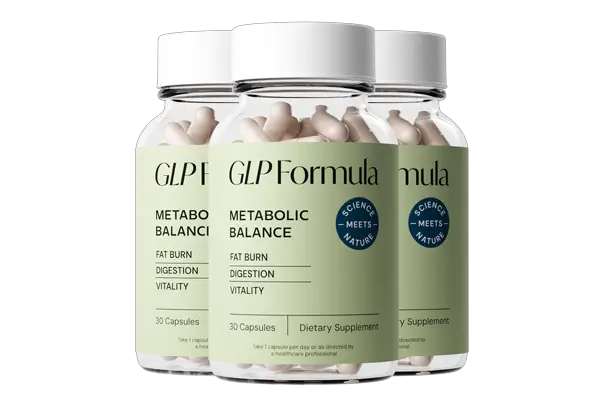
What Is MedicGLP?
MedicGLP is a daily dietary supplement marketed for weight management and metabolic support. The recommended dose is one capsule per day, taken with water before a meal, preferably before breakfast or lunch.
The company is actually fairly explicit about what the product isn’t. MedicGLP says it is not a medication, isn’t a GLP-1 receptor agonist and isn’t a replacement for prescription treatment.
That disclaimer is important because someone seeing the name “Medic GLP” could very reasonably assume they’re buying something that works through the same mechanism as Ozempic or Wegovy. They’re not.
So Why Is It Called “GLP”?
This is the part I think consumers need to understand. MedicGLP doesn’t contain a GLP-1 drug. The manufacturer explicitly says it contains no semaglutide or other GLP-1 receptor agonists.
So if you see an advertisement and interpret “GLP” as meaning this capsule activates the same pathway as Ozempic, that’s not what you’re getting.
The name is clearly designed to place the product in the same conversation as GLP-1 weight-loss medications, but the product itself is simply a dietary supplement. That’s not necessarily illegal or inherently deceptive. But it’s an association consumers should be careful not to mistake for pharmacological equivalence.
How MedicGLP Claims to Work
The concept is basically that its combination of chromium and plant compounds supports metabolism, blood sugar regulation, appetite and weight management.
That’s a much more modest proposition than “this is an oral Ozempic.” And interestingly, the company’s more careful pages actually acknowledge that MedicGLP is simply a supplement intended to support weight management as part of a balanced lifestyle.
The problem is that the name and marketing context can create a much stronger impression than that disclaimer. If someone is specifically searching for “natural GLP-1 supplements,” MedicGLP is almost perfectly positioned to capture that person.
Reality vs. Claims
Here’s where I land after looking at the formula. There are legitimate ingredients here. There is some evidence for metabolic effects from berberine, green tea, chromium, cinnamon and several of the other ingredients.
But the finished product has not been demonstrated to work like a GLP-1 medication. And I couldn’t find a clinical trial showing that MedicGLP itself produces substantial weight loss.
That’s a really important distinction. If a study finds that berberine can affect a particular metabolic marker, that doesn’t mean a capsule containing 85 mg of berberine plus ten other ingredients will reproduce that result.
Red Flags to Consider
The Name Is Doing a Lot of Work
This is probably my biggest marketing concern. “MedicGLP” sounds pharmaceutical. The product isn’t pharmaceutical; it doesn’t contain a GLP-1 agonist, and even the company itself says so.
So I would be very careful about advertisements that allow consumers to infer that MedicGLP is essentially an over-the-counter version of Ozempic or Wegovy.
It isn’t.
The Berberine Dose Is Relatively Small
Berberine is one of the ingredients with the strongest rationale for metabolic effects, yet the product contains only 85 mg per day.
That doesn’t mean 85 mg is useless. It means I wouldn’t assume that evidence from studies using substantially higher doses automatically applies to this product.
Several Ingredients Are Present in Very Small Amounts
Banaba and ginseng are each listed at 5 mg, while resveratrol is only 1 mg. That makes me question how much they’re contributing to the overall effect.
Sometimes supplement formulas look extremely impressive because they contain ten or fifteen recognisable ingredients. But a long ingredient list isn’t necessarily a powerful formula.
Bitter Orange + Green Tea
The manufacturer itself acknowledges that bitter orange may affect circulation and heart rate and that it is combined with caffeine-containing green tea.
That doesn’t make the product automatically unsafe, but it’s another reason I wouldn’t treat it as just a harmless multivitamin.
Does MedicGLP Actually Work?
Possibly as a general nutritional/metabolic supplement, but I don’t see evidence that it works like a GLP-1 drug or produces comparable weight loss.
That’s the distinction I’d make. If you’re expecting MedicGLP to suppress your appetite the way semaglutide does, dramatically slow gastric emptying, or produce the kind of substantial weight loss demonstrated with prescription GLP-1 medications, this isn’t that product.
If you’re looking at it as a supplement containing several ingredients with potential metabolic effects, that’s a much more reasonable interpretation.
But even then, I wouldn’t call MedicGLP a clinically proven weight-loss treatment because I couldn’t find the product-specific evidence to justify that description.
Is MedicGLP Safe?
The manufacturer says most users tolerate it well but acknowledges that digestive discomfort or sensitivity to individual ingredients can occur. More importantly, the company recommends speaking with a healthcare professional before using it if you’re pregnant, breastfeeding, taking medication or managing a medical condition.
I think that’s particularly sensible for people taking blood-sugar medication because several ingredients in the formula are specifically included for metabolic effects.
And the bitter-orange/green-tea combination is another reason I’d be cautious if you have cardiovascular concerns or are sensitive to stimulants.
Pricing and Where to Buy
The official site says MedicGLP is sold in 30-capsule bottles, with larger packages available. One current version of the product site lists the three-pack at €36.65 per bottle, although pricing varies by market and promotion.
The company also advertises a 30-day money-back guarantee. One thing I did find reassuring is that the company has an actual support centre with information about cancellations, returns and refunds rather than simply directing customers to a generic contact form.
That doesn’t prove the supplement works, but it is preferable to a completely anonymous sales page.
What To Do If You Were Scammed
If you purchased MedicGLP because you believed you were getting a GLP-1 alternative, save the advertisement that made that impression.
Keep your receipt, order confirmation and the product label. If the final charge differs from what you expected or you believe you were enrolled in something you didn’t agree to, contact the company promptly and keep records of the exchange.
The company’s support information says cancellation requests generally need to be made within one hour of ordering, provided the order hasn’t already shipped. If the order has already shipped, the company says returns may be available under its 30-day policy, although return shipping may be the customer’s responsibility.
Conclusion
MedicGLP is a good example of a supplement that is much less ridiculous than its name initially makes it sound, but also nowhere near what the name might lead you to believe.
The formula contains several legitimate ingredients. Chromium has a role in normal glucose metabolism. Green tea, cinnamon and berberine have been studied for metabolic effects. The product even gives us the amounts rather than hiding everything inside a proprietary blend.
So, I don’t think this is simply a bottle of random herbs pretending to be medicine. But MedicGLP is not a GLP-1 medication. It doesn’t contain semaglutide. It doesn’t contain liraglutide. It isn’t a GLP-1 receptor agonist. And I couldn’t find clinical evidence showing that the finished product produces the kind of weight loss demonstrated by prescription GLP-1 drugs.
The most questionable part isn’t necessarily what’s inside the capsule. It’s the expectation created by the name. If you understand that you’re buying a botanical/metabolic supplement and have realistic expectations, that’s one thing. If you think you’re buying a natural substitute for Ozempic or Wegovy, you’re buying the wrong product.
Also read – Blyss Mop Soap Review: Is the Hype Worth the Price? I Bought It