

Pure Lung is marketed as a natural supplement for better breathing and lung health, but its advertising goes far beyond ordinary supplement claims. The product has been promoted using videos that appear to show CNN medical correspondent Dr. Sanjay Gupta and other celebrities endorsing it, despite no credible evidence that these people actually support the product.
The AI angle is especially concerning because Dr. Gupta has himself warned about scammers using his likeness in AI-generated videos and doctored images to sell bogus health products. A recent BBB Scam Tracker complaint specifically accused Pure Lung of using a fake Dr. Gupta endorsement and AI-generated celebrity videos. So, is Pure Lung a legitimate lung-health supplement, or is the advertising itself the biggest warning sign? Let’s take a closer look.
Key Takeaways
- Pure Lung has been advertised using an apparent AI/deepfake video of Dr. Sanjay Gupta.
- A BBB Scam Tracker complaint specifically identifies Pure Lung and alleges fake celebrity endorsements involving Dr. Gupta, Clint Eastwood and Sean Penn.
- The complainant reported losing $180 after purchasing the product.
- Dr. Gupta has publicly addressed scammers using his likeness in AI-generated health-product advertisements.
- Pure Lung’s current promotional website describes a five-ingredient oral spray containing mullein, ginger, bromelain, lemon extract and cordyceps.
- Another PureLung product currently sold online has a completely different 11-ingredient proprietary blend, showing that the PureLung name is not attached to one consistent formula.
- There is no clinical trial demonstrating that the finished Pure Lung product can restore damaged lungs, reverse COPD or treat a respiratory disease.
- The product’s own website acknowledges that research cited for its ingredients does not constitute research on Pure Lung itself.
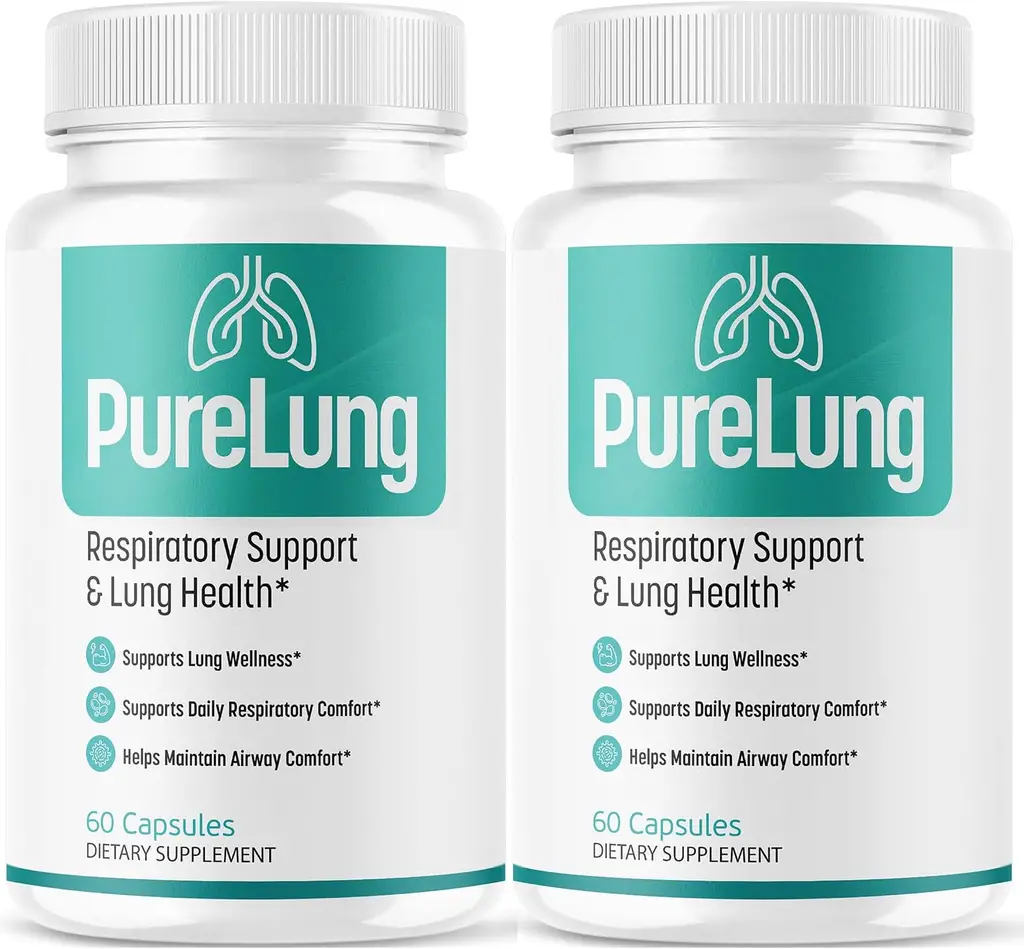
What Is Pure Lung?
Pure Lung is sold as a dietary supplement intended to support respiratory health. The current Purelung website describes it as an oral spray containing five plant-based ingredients: mullein leaf extract, ginger root, bromelain, organic lemon extract and organic cordyceps. The recommended use is four sprays once daily.
The marketing uses phrases such as “support lung capacity,” “clear airways” and “respiratory comfort,” while also stressing that the product is not intended to replace prescribed medication or treat diseases such as asthma or COPD.
That disclaimer is important because the advertising surrounding products like this can be considerably more dramatic than the actual legal wording on the sales page.
The Fake Dr. Gupta Videos
This is where Pure Lung becomes particularly concerning. A BBB Scam Tracker complaint filed on August 14, 2026, specifically names Pure Lung and says the complainant encountered an Instagram advertisement using “fake celebrity endorsements,” including Clint Eastwood and Sean Penn, as well as a “fake celebrity doctor endorsement” of Dr. Gupta of CNN. The complainant explicitly questioned how Pure Lung could use AI in this way and reported losing $180.
That’s not the same thing as independently proving every video was produced by the company behind Pure Lung. The complaint is a consumer report. But it is a significant warning sign because the exact advertising tactic described is consistent with the wider wave of AI-generated fake doctor and celebrity endorsements used to sell health supplements.
Dr. Gupta Has Actually Warned About This
The irony here is almost too perfect. CNN’s Dr. Sanjay Gupta has publicly warned that scammers are using his likeness in AI deepfake videos and doctored images to promote bogus health cures. CNN’s own social media post about the issue specifically describes scammers using his likeness in AI-generated material to sell fraudulent health products.
So if you see a video of Dr. Gupta supposedly sitting in an interview and explaining why Pure Lung is the answer to someone’s breathing problems, that video should not be treated as proof of endorsement simply because the face and voice look convincing.
AI has made that old scam tactic much more sophisticated. The goal is no longer to put a celebrity’s photograph beside a bottle. The goal is to make the celebrity appear to say the words themselves.
How the Pure Lung Scam Works
The basic formula is straightforward. First, the advertisement introduces a frightening health problem: poor breathing, damaged lungs, mucus buildup or declining respiratory function.
Then comes the authority figure. Instead of an ordinary supplement salesperson, viewers are shown what appears to be a respected doctor or celebrity explaining the problem. That immediately lowers the viewer’s scepticism because it feels like medical information rather than advertising.
Then comes the “solution.” The video transitions into a story about a natural ingredient or forgotten discovery that supposedly allows the lungs to repair themselves, clear accumulated toxins or restore lost respiratory function.
Finally, viewers are directed to the Pure Lung sales funnel. It is a very effective psychological sequence: Fear → authority → secret discovery → product → urgency.
The problem is that the authority may be completely fabricated.
What Does Pure Lung Actually Contain?
The current Purelung website lists five ingredients: mullein leaf extract, ginger root, bromelain, organic lemon extract and organic cordyceps. It says the formula is fully disclosed and contains no proprietary blend.
However, there is another issue that makes the Pure Lung name worth treating cautiously.
A separate PureLung product currently sold online is a capsule containing an 11-ingredient proprietary blend totalling 600 mg, including green tea extract, bilberry, ginkgo biloba, bacopa, lutein, zeaxanthin, choline, cinnamon and vitamins B6 and B12.
That’s an entirely different formula from the five-ingredient Purelung spray. The existence of multiple products using essentially the same PureLung name makes it harder to establish exactly what product a particular advertisement is actually selling.
Let’s Look at the Listed Ingredients
For the current oral-spray version, the listed ingredients are mullein leaf extract, ginger root, bromelain, organic lemon extract and organic cordyceps. The website says these are intended to support respiratory function, airway comfort and oxygen utilisation.
The important thing is that the website itself admits its scientific references concern the individual ingredients, not the finished Purelung product. The cited research may also involve different doses, formulations or methods of administration.
Evidence that an ingredient has been studied is not evidence that Pure Lung itself has been clinically proven to work.
Red Flags to Consider
AI Doctor Endorsements
This is the biggest one. A medical professional appearing to personally recommend a product can completely change how consumers perceive it. But when the video is AI-generated or manipulated, the entire endorsement is manufactured.
The BBB complaint specifically describes a fake Dr. Gupta endorsement associated with Pure Lung, while Dr. Gupta has separately warned about scammers using his likeness in AI-generated health advertisements.
I would consider that a massive credibility problem.
Celebrity Name-Dropping
The BBB report also mentions Clint Eastwood and Sean Penn. Again, a consumer complaint isn’t independent proof that every celebrity video connected to Pure Lung was produced by the seller. But the alleged use of multiple unrelated celebrities is consistent with the same credibility-borrowing strategy: put a recognizable face next to the product and hope viewers won’t stop to verify the endorsement.
“Restore” and “Rejuvenate” Claims
Some Pure Lung promotional material goes much further than simply saying the product supports normal respiratory function.
A Pure Lung sales page for the product combination with HemoPrime says the formulas can “restore your lung and heart health” and reclaim the freedom and strength of youth in less than a month.
Those are enormous promises for a dietary supplement. The current official-style Purelung website is considerably more cautious, saying the product does not treat or cure respiratory disease and should not replace prescribed medication.
That difference between the aggressive sales messaging and the formal disclaimer is worth paying attention to.
No Finished-Product Clinical Trial
The website cites studies on individual ingredients, but it explicitly acknowledges that those references do not establish evidence for Purelung itself.
That’s a very common supplement-marketing trick: take research on individual ingredients and present the collection of studies as though the finished product has been clinically proven.
It hasn’t.
Different Pure Lung Formulas
The five-ingredient spray and the separate 11-ingredient capsule formula are radically different products despite sharing the PureLung name.
That doesn’t automatically mean either product is fraudulent, but it does mean consumers need to look carefully at the exact website, bottle and Supplement Facts panel before assuming that every Pure Lung advertisement refers to the same formula.
Efficacy
Could ingredients such as ginger, bromelain, mullein or cordyceps have biological effects? Possibly. Some have been studied for various aspects of respiratory health and inflammation.
But that’s a long way from proving that Pure Lung can repair damaged lungs, reverse COPD, clear years of accumulated damage or restore lung function.
There is no clinical evidence establishing those dramatic outcomes for the finished Pure Lung product. And this is why the fake Dr. Gupta videos are more than just an annoying advertising gimmick. They can make weak evidence appear medically established.
If a normal supplement company tells me, “These ingredients may support respiratory wellness,” that’s one conversation. If an apparent CNN doctor tells me, “This product can restore your lungs,” that’s an entirely different level of persuasion, especially when the doctor never actually said it.
Pricing and Where to Buy
The current Purelung website advertises the spray for $49 per bottle and promotes multi-bottle packages, including a six-bottle option. It also advertises a 60-day money-back guarantee.
Because the product has appeared through different sales pages and formulations, I would verify the exact bottle, ingredients, seller and final checkout price before purchasing anything.
What To Do If You Already Bought Pure Lung
If you purchased Pure Lung after seeing one of the celebrity or Dr. Gupta videos, save everything.
Take screenshots of the advertisement, particularly the portion showing the celebrity or doctor, and save the sales page, receipt, order confirmation and credit-card statement.
If the product or transaction wasn’t what you were led to believe, contact the seller in writing and request a refund. If you believe the purchase was materially misrepresented or unauthorized charges appeared, contact your card issuer and explain the circumstances.
Most importantly, don’t rely on the video itself as proof that a doctor recommended the product. That’s precisely the part that may have been fabricated.
Conclusion
Pure Lung has enough legitimate-looking ingredients and scientific language to make the product seem credible at first glance. But the advertising surrounding it raises a much bigger concern.
A BBB Scam Tracker complaint specifically alleges that Pure Lung was promoted through fake celebrity endorsements and a fake Dr. Sanjay Gupta endorsement, while Gupta himself has publicly warned about scammers using AI-generated videos and doctored images of him to sell bogus health products.
That alone would make me extremely cautious. Then there are the inconsistent Pure Lung formulas, the lack of clinical trials on the finished product and the much more dramatic claims appearing in some of its promotional material.
So while I can’t say that every Pure Lung purchase is necessarily fraudulent, I would not trust an advertisement for this product simply because it appears to feature Dr. Sanjay Gupta or another celebrity. In this case, the celebrity endorsement may be the very thing that was fabricated to get you to buy it.
Also read – ChezMax Crystal Water Bottle Review: Is It Worth Buying? I Bought It