

I bought Lingo Leap Drops for my nephews because I liked the idea of supporting their learning in a simple, stress-free way. The product sounded promising, but after giving it a fair chance, I came away feeling far less convinced than I expected.
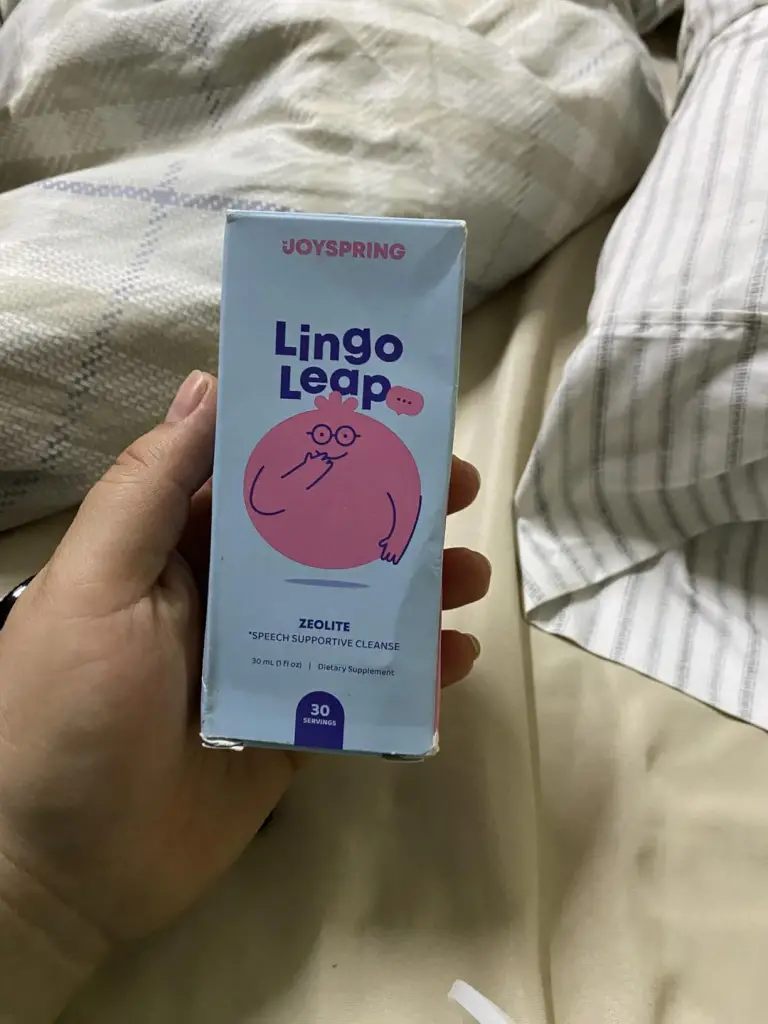
What Are Lingo Leap Drops?
Lingo Leap Drops are marketed as a children’s dietary supplement that’s supposed to support language development, speech, focus, memory, and cognitive function. The drops are typically promoted as an easy-to-administer formula that can be mixed with food or drinks, making them appealing for younger children who struggle with tablets or capsules.
The marketing suggests they can help children reach important developmental milestones, although they are sold as a dietary supplement rather than a medication or evidence-based speech therapy treatment.
Why I Bought Them
I bought them because, like most people, I want to do whatever I can to support my nephews’ learning and development.
The idea of a simple supplement that could potentially help with speech and cognitive development sounded appealing. If there was even a small chance it could give them some extra support alongside their normal learning, I thought it was worth trying.
My Experience Using Them
Giving the drops was actually the easiest part of the experience. They were simple to administer, and I didn’t have to deal with the usual struggle that sometimes comes with getting children to take supplements.
What I kept waiting for, though, were the noticeable changes the marketing seemed to suggest.
I understood from the beginning that nothing was going to happen overnight, so I stayed patient and tried not to judge the product too quickly. As the weeks passed, I paid attention to how my nephews were communicating, interacting, and progressing, hoping I’d eventually notice something that made me think, “Yes, this is helping.”
Unfortunately, I never reached that point.
I can’t honestly say I noticed any meaningful improvement that I could confidently attribute to the drops. Their development seemed to continue at its normal pace, which isn’t necessarily a bad thing, but it also didn’t leave me feeling like the supplement had made a measurable difference.
That doesn’t mean the product harmed them. They tolerated it well, and I didn’t notice any obvious side effects during the time they were taking it.
I just finished the bottle, feeling uncertain whether it had accomplished anything at all.
Texture, Taste & Ease of Use
One thing I genuinely liked was how easy the drops were to use.
Mixing them into food or drinks was straightforward, and getting my nephews to take them wasn’t the challenge I had expected. From a convenience standpoint, I really don’t have any complaints.
Pros & Cons
Pros
- Easy to administer
- Children tolerated the drops well
- Convenient liquid formula
- No noticeable side effects in my experience
Cons
- I didn’t notice meaningful improvements
- Marketing sets very high expectations
- Results are difficult to measure
- Expensive if you don’t see clear benefits
Product Claims vs. Reality
Lingo Leap Drops are marketed with claims about supporting speech, language development, focus, memory, and overall cognitive function.
Personally, I think those are very ambitious claims for a dietary supplement. In my experience, I didn’t notice the kind of improvements the marketing had led me to expect.
Is It a Scam?
I wouldn’t call Lingo Leap Drops a scam. The product arrived as expected, and it was exactly what I ordered. I also don’t believe every parent who reports positive results is being dishonest.
At the same time, I think the advertising creates expectations that may be difficult for any supplement to consistently meet.
When it comes to speech and language development, there are so many factors involved that I would personally be cautious about expecting dramatic results from drops alone. Looking back, I think I placed too much hope in the marketing instead of viewing the product as simply another supplement.
Customer Feedback
Customer opinions seem divided.
Some parents report feeling encouraged by their children’s progress after using the drops, while others say they didn’t notice much of a difference despite using the product consistently.
That variation honestly mirrors my own experience. I wanted to be one of the people with an enthusiastic success story, but I ultimately finished the bottle feeling unsure whether it had made any real impact.
Alternatives to Consider
- Speaking with a pediatrician about developmental concerns
- Early speech and language therapy if recommended
- Reading together regularly
- Interactive educational games and activities
- A balanced diet and healthy daily routine to support overall development
Conclusion — Would I Recommend Them?
Probably not. Not because I think they’re unsafe or fake, but because I personally didn’t see enough to justify buying another bottle.
If someone else tells me the drops worked wonderfully for their child, I’m not going to argue with their experience. But based on what I observed with my nephews, I simply can’t say they lived up to the expectations I had when I made the purchase.
For me, the biggest improvement came from continuing to encourage reading, conversation, and everyday learning rather than relying on the supplement itself.
Also read my similar review on the Amplihear Hearing Aids