

Many people living with persistent ringing, buzzing, or hissing in their ears eventually come across devices that promise fast tinnitus relief without medication. Products like the Loera Tinnitus Device claim to calm the nerve responsible for tinnitus using neuromuscular stimulation (NMS) delivered behind the ear, making them appealing to people who have found little relief from supplements or sound therapy.
The Loera Tinnitus Device is marketed as a reusable handheld device designed to reduce tinnitus by delivering gentle electrical pulses to a nerve behind the ear. In this review, I’ll examine the technology, scientific evidence, marketing claims, potential red flags, and whether the Loera Tinnitus Device is worth considering.
Key Takeaways
- Marketed for reducing ringing, buzzing, and other tinnitus symptoms.
- Uses neuromuscular stimulation (NMS) applied behind the ear.
- I found no published peer-reviewed clinical trials specifically evaluating the Loera Tinnitus Device.
- The company’s explanation of how tinnitus works oversimplifies a complex condition.
- The marketing appears considerably stronger than the available product-specific scientific evidence.
What Is the Loera Tinnitus Device?
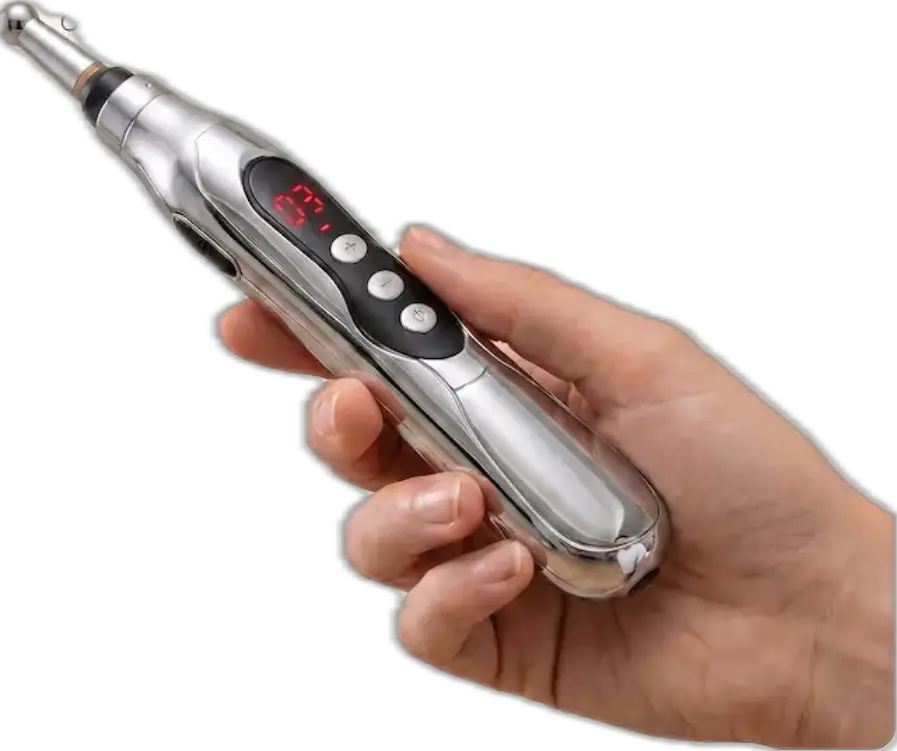
The Loera Tinnitus Device is a rechargeable handheld device designed to be placed behind the ear for approximately 30 seconds once or twice daily. According to the manufacturer, it delivers gentle electrical pulses that calm an “overactive auricular nerve,” reducing the signals the brain interprets as tinnitus. The company promotes it as a reusable, drug-free alternative to supplements, hearing aids, and sound therapy.
When I started researching the device, one thing immediately stood out… The company repeatedly states that most tinnitus originates from a single nerve behind the ear, suggesting that calming this nerve addresses the root cause.
The deeper I looked, however, the more I realized that this explanation doesn’t reflect the current scientific understanding of tinnitus.
At its core, tinnitus is generally considered a disorder involving both the auditory system and the brain, and its causes can vary widely between individuals.
How It Claims to Work
According to the manufacturer, the Loera device uses Neuromuscular Stimulation (NMS) to calm an overactive nerve behind the ear.
The company associates the device with:
- reduced ringing in the ears
- quieter buzzing
- improved sleep
- long-term tinnitus relief
- prevention of symptom progression
- calming the “source” of tinnitus rather than masking symptoms
The overall message is simple… Use the device for about 30 seconds each day, and the electrical stimulation will reduce the nerve activity responsible for tinnitus.
Red Flags to Consider
Product-specific studies appear absent
During my research, I could not find published peer-reviewed clinical trials specifically evaluating the Loera Tinnitus Device.
Most of the evidence presented comes from promotional material and customer testimonials rather than independent scientific publications.
Oversimplified explanation of tinnitus
One thing that immediately caught my attention was the claim that tinnitus is primarily caused by an overactive auricular nerve behind the ear. Current research suggests tinnitus is considerably more complex than that, involving multiple pathways within the auditory system and brain.
Immediate relief claims
The company advertises noticeable improvement after 30-second treatments, with many users supposedly experiencing relief within 48 hours.
I found no published clinical evidence validating these specific timelines for the Loera device.
“Developed with hearing specialists”
The website states that the device was developed in collaboration with hearing specialists. However, I found no published research identifying those specialists or linking them to peer-reviewed studies evaluating the device itself.
Testimonials are not scientific evidence
The website relies heavily on customer reviews and before-and-after stories. While these experiences may be genuine, they cannot establish that the device consistently works for most users.
Does the Loera Tinnitus Device Really Work?
The Loera Tinnitus Device may provide subjective relief for some users, particularly if gentle electrical stimulation influences how they perceive tinnitus.
However, after comparing the marketing with the available evidence, I found little reason to conclude that the device consistently delivers the dramatic reductions in tinnitus suggested by its advertising.
The biggest weakness isn’t necessarily the idea of neuromodulation… It’s the absence of published evidence demonstrating that Loera’s specific implementation produces meaningful clinical benefits.
Pricing
According to the official website, the Loera Tinnitus Device is typically priced at approximately 396 DKK (discounted from 792 DKK), with a 30-day money-back guarantee frequently advertised.
As always, promotional pricing should not be confused with scientific validation.
What To Do If Scammed
If you purchased the Loera Tinnitus Device expecting substantial relief from tinnitus and feel the product failed to match the advertising, keep your purchase confirmation, save screenshots of the promotional claims, and review the company’s return and refund policy before requesting a refund.
Conclusion
After digging through the available information, the Loera Tinnitus Device appears to be built around a real area of scientific interest, neuromodulation, but without product-specific evidence supporting its claims.
The good news is that neuromodulation is an active area of tinnitus research, and some clinically tested devices have shown benefits for certain patients under professional supervision.
The less encouraging reality is that I found no published clinical studies on the Loera Tinnitus Device itself, and the company’s explanation that tinnitus is mainly caused by an overactive nerve behind the ear oversimplifies a condition that is far more complex. Without independent clinical validation, it’s difficult to verify the impressive success rates and rapid relief timelines promoted on the website.
In the end, the Loera Tinnitus Device seems best viewed as an experimental wellness device with unproven product-specific benefits, rather than a scientifically validated treatment for tinnitus.
Also read – I Tried Firmoo Blue Light Glasses: Here’s My Honest Review After Use