

AlkaMelt Drops are marketed as a natural weight-management supplement designed to support appetite control, metabolism and daily energy. The sales pages promote ingredients such as berberine, apple cider vinegar, green tea and cayenne pepper, making the product sound like a simple liquid solution for stubborn weight gain.
But the ingredient story changes depending on where you look. Some AlkaMelt websites list six ingredients, others promote four, while bottles being sold under the AlkaMelt name have been found with a completely different seven-herb formula. Add the secret-recipe sales funnel and questionable authority claims, and there are plenty of reasons to slow down before buying. So, is AlkaMelt legit? Let’s take a closer look.
Key Takeaways
- AlkaMelt is marketed for weight management, appetite control and metabolism.
- Different AlkaMelt websites and physical bottles show substantially different formulas.
- The ingredients promoted online have some research behind them individually, but there is no clinical trial proving the finished AlkaMelt formula causes meaningful weight loss.
- A physical AlkaMelt label found through secondary distribution lists a completely different seven-herb blend totalling 121 mg, with individual doses undisclosed.
- I would avoid AlkaMelt until the company can clearly explain which formula is actually being sold.
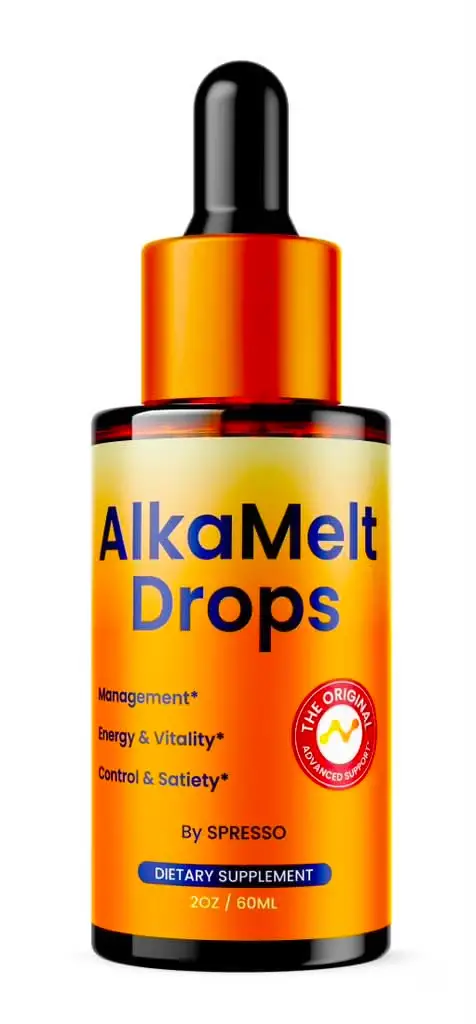
What Is AlkaMelt Drops?
AlkaMelt is a liquid dietary supplement marketed toward adults who want help with weight management, appetite control and energy. The current product page describes a six-ingredient formula containing green tea extract, apple cider vinegar, cayenne pepper, ginger root extract, vitamin B12 and pomegranate juice concentrate.
Other AlkaMelt sales pages instead promote a four-ingredient formula consisting of berberine, apple cider vinegar, green tea catechins and cayenne pepper. The pricing is also structured around multi-bottle purchases, with one current site asking $89 for a single bottle, $207 for three and $294 for six.
That already gives me something to question, but the physical label creates a much bigger problem.
How It Claims to Work
The marketing essentially combines several popular weight-management ingredients and presents them as a daily metabolic-support formula.
Green tea catechins are associated with thermogenesis and energy expenditure, cayenne contains capsaicinoids that can influence metabolism, while apple cider vinegar is often marketed around appetite and glucose-related benefits. Berberine is the ingredient that gives some versions of the product a stronger metabolic-health angle.
There is nothing inherently strange about studying these ingredients. The problem is jumping from “this ingredient has been researched” to “this particular bottle will melt stubborn fat.”
Even the more cautious AlkaMelt website acknowledges that research cited for the individual ingredients is not a clinical trial of the finished AlkaMelt formula.
Reality vs. Claims
The weight-loss claims are considerably more ambitious than the evidence supports. There is research suggesting that green tea catechins may have a modest effect on body weight, but that is very different from the dramatic fat-loss transformations commonly used in supplement advertising. The same applies to cayenne, apple cider vinegar and other ingredients that are often promoted as metabolism boosters.
And then there’s berberine. It has been investigated extensively for metabolic health, but it is also pharmacologically active and can interact with medications. AlkaMelt’s own website acknowledges that people taking prescription drugs, particularly diabetes medications and blood thinners, should consult a healthcare provider before using it.
So I wouldn’t dismiss every ingredient as useless. I also wouldn’t treat AlkaMelt as a clinically proven weight-loss treatment.
Let’s Look at the Listed Ingredients
The newest AlkaMelt page lists green tea extract, apple cider vinegar, cayenne pepper, ginger root extract, vitamin B12 and pomegranate juice concentrate. Another sales page instead lists berberine, apple cider vinegar, green tea catechins and cayenne pepper.
Then there is the physical product discrepancy. A bottle listed on eBay under the AlkaMelt name has a Supplement Facts panel containing Gotu Kola, Chinese Hawthorn, Horse Chestnut, Stone Root, Motherwort, Butcher’s Broom and Grape Seed Extract. The ingredients are combined into a proprietary blend totalling 121 mg, without individual amounts.
That isn’t a small reformulation. Those are entirely different ingredients aimed at a very different type of supplement.
Red Flags to Consider
The Bottle May Not Match the Advertisement
This is the biggest issue with AlkaMelt. Online marketing can tell you that you’re buying berberine, apple cider vinegar, green tea and cayenne. But a physical bottle sold under the AlkaMelt name has been documented as containing a seven-herb circulatory formula with none of those four advertised ingredients.
If that physical label is authentic and represents the product being sold through these funnels, then this isn’t simply a matter of changing a formula. A customer could be buying something fundamentally different from what the advertisement led them to expect.
There Are Multiple AlkaMelt Websites
I found several domains using the AlkaMelt name, including myalkamelt.com, alkamelt.net and alkamelts.com, with different product descriptions and formulas. Having multiple domains isn’t automatically fraudulent, but when the websites don’t agree about the formula, it becomes much harder to identify the authoritative version.
The “Secret Recipe” Is the Hook
The advertising is also built around the familiar “secret recipe” structure. Instead of simply explaining what is in the bottle and what evidence supports it, the funnel reportedly teases a special weight-loss trick or recipe and then pivots into the product sale.
That is classic advertorial territory. The free trick is the bait; the bottle is the actual sale.
Fake Authority Is a Concern
Reports examining the AlkaMelt funnel describe doctor imagery, news-style layouts, dramatic testimonials and references to major media or medical institutions designed to make the advertisement look like a health report rather than a supplement advertisement. There is no evidence in those reports that the cited organisations actually endorse AlkaMelt.
This matters because a polished video or a person in a white coat is not scientific evidence.
The Formula Is Hidden Behind a Proprietary Blend on Some Bottles
The physical formula documented through secondary distribution combines seven herbs into a single 121 mg proprietary blend. That makes it impossible to know how much of each herb is actually present or whether any ingredient is included at a meaningful amount.
Interestingly, one AlkaMelt website now claims that its current formula has no proprietary blend and that ingredient amounts appear on the physical Supplement Facts label. The same page admits those exact amounts could not be independently verified online.
So even the company’s attempt at transparency doesn’t completely solve the problem.
The “FDA Registered” Language Doesn’t Mean FDA Approved
AlkaMelt marketing uses language about manufacturing in an FDA-registered facility and following GMP practices. That should not be interpreted as FDA approval of AlkaMelt itself. Dietary supplements aren’t approved by the FDA for effectiveness before being marketed in the same way prescription drugs are.
A manufacturing-facility claim tells me something about where the product is supposedly made. It does not tell me that the FDA has validated the weight-loss claims.
Efficacy
This is where I would separate possible ingredient effects from AlkaMelt’s advertised results. Green tea extract, cayenne and some of the other ingredients have plausible mechanisms related to metabolism or energy expenditure. Berberine has considerably more research behind it for metabolic markers than many trendy weight-loss ingredients.
But none of that proves that the exact AlkaMelt formula produces meaningful weight loss.
There is no convincing product-specific clinical trial demonstrating that AlkaMelt causes significant fat loss, reverses insulin resistance or produces the dramatic body transformations used in these advertisements. The current AlkaMelt site itself says its research references concern individual ingredients rather than a clinical trial of the finished product.
And if the formula itself keeps changing, even an ingredient-level evidence assessment becomes difficult because I cannot be certain which formula the evidence is supposed to apply to.
Pricing and Where to Buy
The current sales offer I found lists $89 for one bottle, $207 for three and $294 for six, with a 60-day money-back guarantee. Another AlkaMelt site advertises the familiar $49-per-bottle price for a six-bottle package.
The bigger concern isn’t the price difference. It’s the fact that consumers are being pushed toward multi-month purchases while the exact identity of the formula remains unclear.
If someone does buy it, I would save screenshots of the product page, Supplement Facts panel, checkout total and refund terms before completing the order.
What To Do If You Already Bought It
If you’ve already ordered AlkaMelt, keep your confirmation email, receipt and screenshots of the advertisement and product page.
Check the bottle when it arrives. Compare the physical Supplement Facts panel with the formula you were shown before purchasing. If the two don’t match, document that immediately with photographs.
The current website advertises a 60-day money-back guarantee, but refund terms can vary between AlkaMelt domains, so I would not rely on the large guarantee badge alone.
If you experience an adverse reaction, stop taking the product and seek appropriate medical advice, particularly if you take medication. AlkaMelt itself acknowledges potential medication interactions because of ingredients such as berberine.
Conclusion
AlkaMelt Drops is not a product I would trust enough to buy. The issue isn’t that every ingredient associated with AlkaMelt is useless. Some of them have legitimate research behind them. The problem is that I can’t establish a single, consistent AlkaMelt formula. One website lists six ingredients, another lists four, and a physical bottle sold under the same name contains a completely different seven-herb proprietary blend.
Then you add the secret-recipe bait, aggressive weight-loss marketing, questionable authority signals and multi-bottle pressure, and the whole thing becomes difficult to recommend.
My conclusion: I would skip AlkaMelt Drops. Even if the product is physically shipped and isn’t a classic non-delivery scam, that doesn’t make the marketing legitimate. If a company wants me to trust a weight-loss supplement, I need one identifiable formula, transparent doses and evidence on the actual product being sold. AlkaMelt currently doesn’t give me that.
Also read – Is Jubraver.com a Trustworthy Online Shopping Store? Find Out