

If you’ve seen a dramatic video claiming that Japanese Nobel Prize-winning scientist Dr. Yoshinori Ohsumi discovered a natural cure for neuropathy, and that celebrities such as Tom Hanks or Dr. Oz are promoting it—you’ve encountered a scam-style advertising campaign.
The videos are designed to look like genuine interviews or television segments, but the celebrity endorsements are fabricated. In fact, Tom Hanks has publicly warned that scammers have used AI-generated versions of his face, name, and voice to promote supposed “miracle cures.”
And while NervoLyn itself is sold as a real dietary supplement, that doesn’t make the viral endorsement videos legitimate.
Key Takeaways
- The NervoLyn product is a dietary supplement marketed for nerve health.
- Its official marketing lists ingredients including alpha-lipoic acid, magnesium glycinate, turmeric, CoQ10, L-carnitine and butcher’s broom.
- There is no credible evidence that Dr. Ohsumi, Dr. Oz, or Tom Hanks endorses NervoLyn.
- Videos portraying these people discussing NervoLyn or a “natural cure” for neuropathy are part of the deceptive advertising ecosystem surrounding the product.
- Tom Hanks has personally warned that AI-generated advertisements have falsely used his likeness and voice to sell miracle cures.
- NervoLyn’s own website says it is not intended to diagnose, treat, cure, or prevent neuropathy, despite the much more aggressive claims made on some of its sales pages.
What Is NervoLyn?
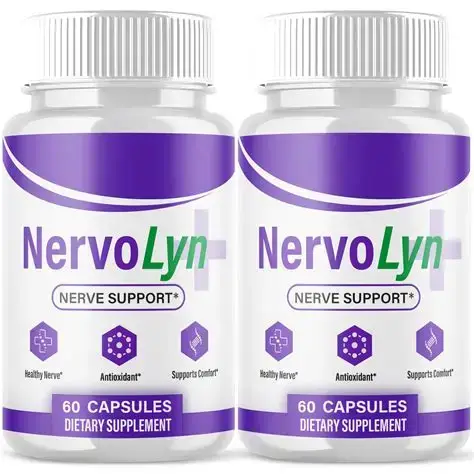
NervoLyn is marketed as a nerve-health dietary supplement intended to support healthy nerve function and circulation.
The current NervoLyn website lists a formula containing magnesium glycinate plus a proprietary 575 mg blend of alpha-lipoic acid, butcher’s broom, L-carnitine, turmeric, and CoQ10.
The advertising targets people experiencing symptoms such as tingling, numbness, burning sensations, balance problems and discomfort in the hands and feet.
That is an important distinction: NervoLyn is a supplement, not an established medical treatment for neuropathy.
How Does the Scam Video Work?
This is where things get particularly sinister.
The advertisement is typically structured to look like a legitimate news program, documentary, interview, or medical segment. A famous doctor or celebrity appears to explain the supposed cause of neuropathy and introduce a revolutionary natural solution.
The video’s production quality is deliberately convincing. The viewer is then directed toward a product page selling NervoLyn… or a similarly named nerve supplement.
A search result for the exact NervoLyn scam video describes the content as showing inauthentic depictions of Dr. Yoshinori Ohsumi, Tom Hanks and Dr. Oz.
That’s not merely a case of a company using a celebrity’s name in passing. The people are being made to appear as though they personally participated in the promotion.
Who Is Dr. Yoshinori Ohsumi?
Dr. Yoshinori Ohsumi is a real Japanese cell biologist who received the 2016 Nobel Prize in Physiology or Medicine for discoveries concerning mechanisms of autophagy.
And that’s precisely why scammers use him.
Putting a Nobel laureate in the opening of a neuropathy advertisement creates an enormous amount of perceived scientific credibility.
But there is no credible evidence that Ohsumi developed NervoLyn or discovered a secret neuropathy cure.
The scam advertisement found online explicitly claims that Ohsumi revealed the name “Nervolyn.” That is an enormous red flag.
What About Dr. Oz?
Dr. Mehmet Oz is a real physician and television personality who has frequently been associated with health and supplement discussions.
But being a physician who has discussed neuropathy or supplements is not evidence that he endorsed NervoLyn.
There is no credible evidence connecting Dr. Oz to NervoLyn as a product endorsement. In fact, similar AI-generated neuropathy advertisements have been reported using Dr. Oz and other recognisable medical personalities to sell supposed neuropathy cures. A Mayo Clinic Connect discussion specifically warns about AI-created neuropathy advertisements falsely portraying Dr. Oz, Dr. Phil and others as endorsers.
And Tom Hanks?
This one has particularly strong evidence because Tom Hanks himself has addressed the problem.
In August 2024, Hanks warned that multiple online advertisements were falsely using his name, likeness and voice to promote “miracle cures and wonder drugs.”
He explicitly stated that the advertisements were created without his consent using AI and that he had nothing to do with the products or treatments being promoted.
So if a NervoLyn advertisement contains an AI-generated Tom Hanks telling you about a miraculous neuropathy treatment, do not interpret his appearance as an endorsement.
He has literally warned consumers about this exact type of fraud.
How Do NervoLyn’s Claims Compare With Reality?
NervoLyn’s current official site uses relatively careful language in its disclaimer. It says the product is a dietary supplement and is not intended to diagnose, treat, cure, or prevent neuropathy or nerve damage.
But the marketing elsewhere is much more aggressive. Other NervoLyn sites claim the formula can:
- Reduce nerve pain
- Repair damaged nerves
- Promote nerve regeneration
- Address the “root causes” of neuropathy
- Restore neurological function
- Provide lasting relief
That discrepancy is important. A supplement can legitimately say that an ingredient supports normal nerve function. That’s very different from claiming it can repair established nerve damage or cure neuropathy.
What Does the Actual Formula Contain?
The current NervoLyn site identifies:
- Magnesium glycinate — 80 mg
- Alpha-lipoic acid
- Butcher’s broom
- L-carnitine
- Turmeric
- Coenzyme Q10
The latter five ingredients are combined into a 575 mg proprietary blend, meaning the website does not disclose how much of each individual ingredient is actually present.
And that is another legitimate criticism separate from the AI scam. A proprietary blend makes it difficult to determine whether the product contains meaningful amounts of ingredients that have actually been studied.
Does NervoLyn Actually Cure Neuropathy?
No evidence establishes that it does. Some of its ingredients are interesting.
Alpha-lipoic acid, for example, has been studied in relation to diabetic peripheral neuropathy, with some research suggesting it may improve certain neuropathic symptoms. But that doesn’t mean every alpha-lipoic-acid-containing supplement cures neuropathy.
Likewise, magnesium, CoQ10, turmeric and other ingredients have biological roles, but there is a huge difference between supporting normal physiological processes and regenerating damaged nerves.
And there is no clinical trial demonstrating that NervoLyn itself reverses neuropathy.
Red Flags to Consider
Fake Celebrity Endorsements
This is the biggest one. The videos featuring Ohsumi, Oz and Hanks should not be treated as genuine endorsements. The NervoLyn scam video has specifically been identified as using inauthentic depictions of these figures.
Fake “Breaking News” Format
These advertisements frequently imitate television news websites and interviews. The objective is psychological: if the viewer thinks they’re watching a legitimate medical investigation rather than an advertisement, they’re much more likely to trust the claims.
“Secret Cure” Narrative
The advertisements typically imply that doctors have discovered a revolutionary treatment but that pharmaceutical companies don’t want you to know about it.
That’s classic health-scam storytelling. Real medical breakthroughs don’t need to be sold through secret celebrity interviews and countdown timers.
“FDA Approved” Confusion
Several NervoLyn websites display language such as “FDA Approved” alongside claims that the supplement is manufactured in an FDA-registered facility.
Those are not the same thing.
A dietary supplement being manufactured in an FDA-registered facility does not mean the FDA approved the supplement for treating neuropathy.
Fake Urgency
Some NervoLyn sales pages advertise huge discounts and “today only” pricing while repeatedly changing the supposed regular price and savings. One page, for example, advertises $49 per bottle while claiming a regular price of $595.
That’s classic direct-response supplement marketing designed to make the consumer purchase immediately rather than research the product.
So Is NervoLyn a Scam?
This requires a little nuance. The AI celebrity endorsement videos are fraudulent. That’s the easy part.
Whether the physical bottle of NervoLyn itself contains the advertised ingredients is a separate question. There is a real product being sold, and its current website provides an ingredient formulation and a refund policy.
But the advertising ecosystem surrounding it is extremely deceptive, and using fabricated medical interviews and celebrity endorsements to sell a supplement is enough reason to stay away from the offer presented in those videos.
I’d describe it as: Real supplement + highly deceptive marketing = product I would not trust based on the viral advertisement.
What To Do If You Already Ordered
If you purchased NervoLyn because you believed Dr. Ohsumi, Dr. Oz, or Tom Hanks personally recommended it, save:
- The advertisement or video
- Screenshots of the celebrity endorsement
- Your order confirmation
- Payment receipt
- Product packaging
- Any emails or messages from the seller
Then contact the seller and request a refund.
If the seller refuses, contact your card issuer or payment provider and explain that the purchase was made through deceptive advertising involving fabricated celebrity endorsements.
Conclusion
The NervoLyn AI videos are a scam. The people appearing in them are not genuine endorsers.
Dr. Yoshinori Ohsumi did not suddenly unveil NervoLyn as a secret neuropathy cure. Dr. Oz has not been established as a NervoLyn spokesperson. And Tom Hanks has actually warned the public that scammers are using AI-generated versions of him to promote fraudulent medical products.
The actual NervoLyn supplement is a different question. Its ingredients aren’t inherently ridiculous, and alpha-lipoic acid in particular has been studied for neuropathic symptoms. But there is no evidence that NervoLyn cures or reverses neuropathy, and even its own current website acknowledges that it isn’t intended to treat neuropathy.
The biggest lesson here is simple: don’t let a convincing AI-generated doctor, celebrity or television interview substitute for evidence. If a supposed medical breakthrough is being sold through a video featuring three famous people who never actually endorsed it, that’s not a breakthrough. That’s the sales pitch.
Also read – Are NuStrips Sleep Strips Worth It? I Tried It and Here’s My Honest Review